Ai Overview
Cloud engineering services represent far more than infrastructure management; they enable the digital transformation that modern businesses require to compete effectively. The modernization reduced deployment time from quarterly releases to daily deployments, improved system reliability from 95% to 99. 9% uptime, and decreased infrastructure costs by 40% through efficient resource utilization.
Key Takeaways on Cloud Engineering
Conclusion: Embracing Cloud Engineering for Competitive Advantage
Cloud engineering services represent far more than infrastructure management; they enable the digital transformation that modern businesses require to compete effectively. By providing scalable infrastructure, accelerating innovation, optimizing costs, and enhancing security, cloud engineering delivers tangible business benefits across industries and use cases.
Organizations that embrace cloud engineering practices gain significant advantages in speed, agility, and efficiency. They deploy new features faster, scale effortlessly to meet demand, maintain high reliability and security, and optimize costs continuously. These capabilities translate directly to competitive advantage in markets where customer experience and innovation speed determine success.
The cloud engineering landscape continues evolving with emerging technologies like AI, serverless computing, and sustainable infrastructure practices. Organizations that partner with experienced cloud engineering teams position themselves to leverage these innovations as they mature, ensuring their technology capabilities remain current and competitive. The investment in professional cloud engineering services pays dividends through improved business outcomes, operational excellence, and the foundation for continued growth and innovation.
Understanding Cloud Engineering Services in Modern Enterprises
1.1 What Are Cloud Engineering Services? (From Infrastructure to Innovation)
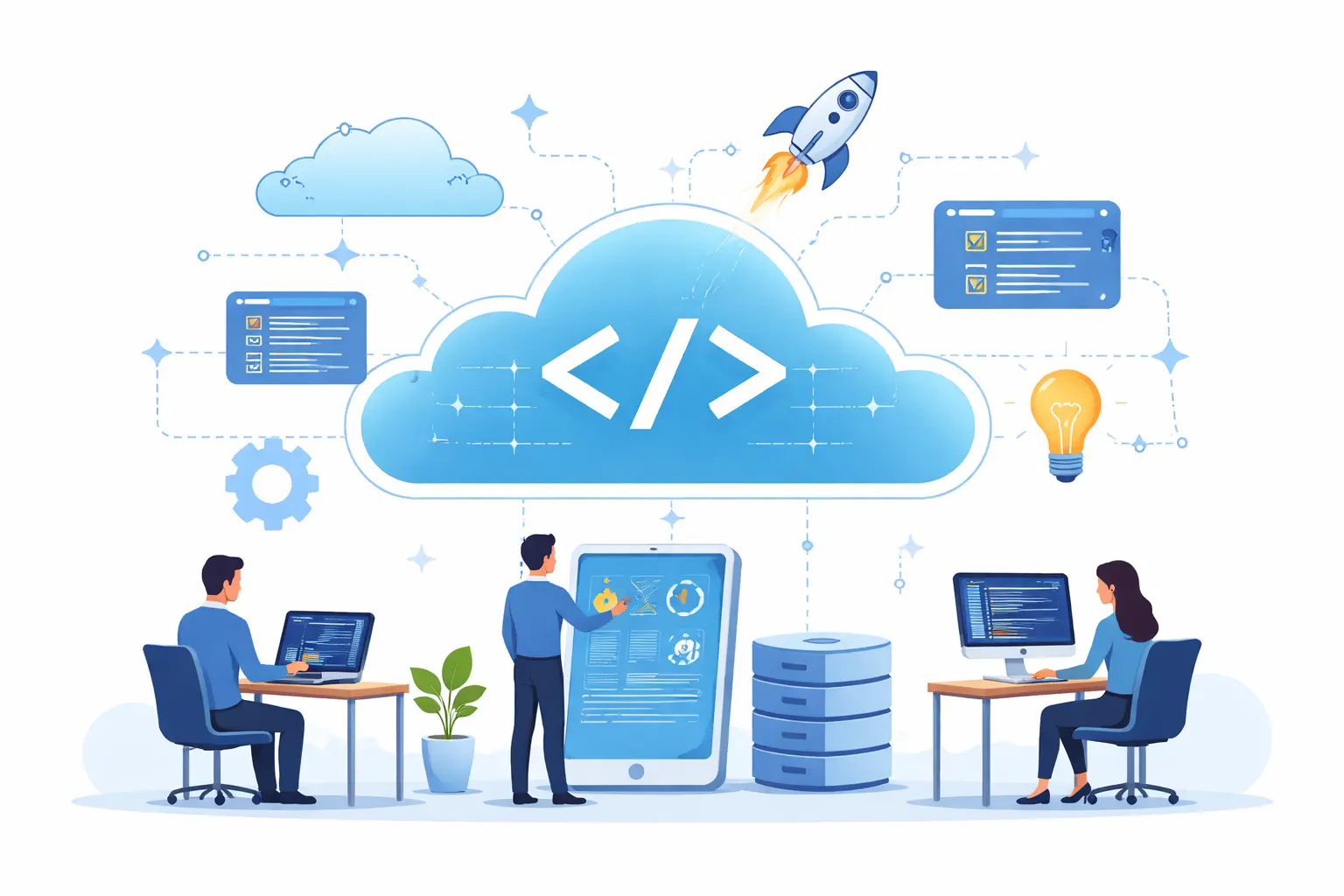
Cloud engineering services represent a specialized discipline that combines infrastructure design, software development, automation, and operational excellence to build, deploy, and manage applications and systems in cloud environments. Unlike traditional IT services that focus on maintaining physical servers and on-premises infrastructure, cloud engineering encompasses the entire spectrum of cloud-based solution delivery.
At its core, cloud engineering transforms how organizations build and operate technology systems. It involves architecting scalable infrastructure on platforms like AWS, Microsoft Azure, and Google Cloud Platform, developing cloud-native applications that leverage managed services, implementing automation pipelines that accelerate delivery, and establishing governance frameworks that ensure security and cost optimization. Cloud engineers work at the intersection of development and operations, applying software engineering principles to infrastructure management through practices known as Infrastructure as Code.
The scope of cloud engineering extends beyond simple migration projects. Professional cloud engineering services include strategic planning for cloud adoption, designing resilient multi-region architectures that ensure business continuity, modernizing legacy applications to take advantage of cloud capabilities, implementing containerization and orchestration with technologies like Docker and Kubernetes, establishing CI/CD pipelines for continuous integration and delivery, configuring monitoring and observability systems, and optimizing cloud spending through FinOps practices.
1.2 Why Cloud Engineering Is the Backbone of Digital Transformation
Digital transformation requires more than adopting new technologies; it demands a fundamental reimagining of how businesses operate and deliver value. Cloud engineering provides the technical foundation that makes transformation possible by enabling organizations to move faster, scale dynamically, and innovate continuously.
Cloud engineering accelerates product development cycles from months to weeks, enabling rapid experimentation and faster response to market opportunities.
Organizations can quickly pivot strategies, launch new services, and adapt to changing customer needs without infrastructure constraints.
Cloud infrastructure enables instant global deployment, bringing applications closer to customers worldwide for optimal performance.
The backbone role of cloud engineering becomes evident when examining successful digital transformations. Companies that effectively leverage cloud engineering capabilities report 60% faster time to market for new features, 40% reduction in infrastructure costs, and 5x improvement in deployment frequency. These outcomes stem from cloud engineering’s ability to automate repetitive tasks, eliminate manual bottlenecks, and provide self-service capabilities to development teams.
1.3 Cloud Engineering vs Traditional IT Infrastructure
| Aspect | Traditional IT Infrastructure | Cloud Engineering |
|---|---|---|
| Provisioning Time | Weeks to months for hardware procurement and setup | Minutes to hours through automated provisioning |
| Scalability | Fixed capacity requiring capacity planning and overprovisioning | Elastic scaling based on actual demand |
| Cost Structure | Large upfront capital expenditure with ongoing maintenance | Pay-as-you-go operational expenditure |
| Innovation Speed | Slow due to infrastructure constraints and approval processes | Rapid experimentation with instant resource availability |
| Disaster Recovery | Complex and expensive secondary data center requirements | Built-in redundancy across multiple regions |
2. Core Components of Professional Cloud Engineering Services
2.1 Cloud Architecture Design & Optimization
Architecture design forms the foundation of successful cloud implementations. Professional cloud engineering services begin with comprehensive architecture planning that considers business objectives, technical requirements, compliance needs, and future growth. Cloud architects evaluate different architectural patterns including microservices, serverless, event-driven architectures, and hybrid models to determine the optimal approach for each use case.
Effective cloud architecture addresses critical concerns such as high availability through multi-zone and multi-region deployments, fault tolerance with automated failover mechanisms, security through defense-in-depth strategies, performance optimization via content delivery networks and caching layers, and cost efficiency through right-sizing and reserved capacity planning. The architecture must also account for data residency requirements, network latency considerations, and integration with existing systems.
2.2 Cloud Migration & Modernization Strategies
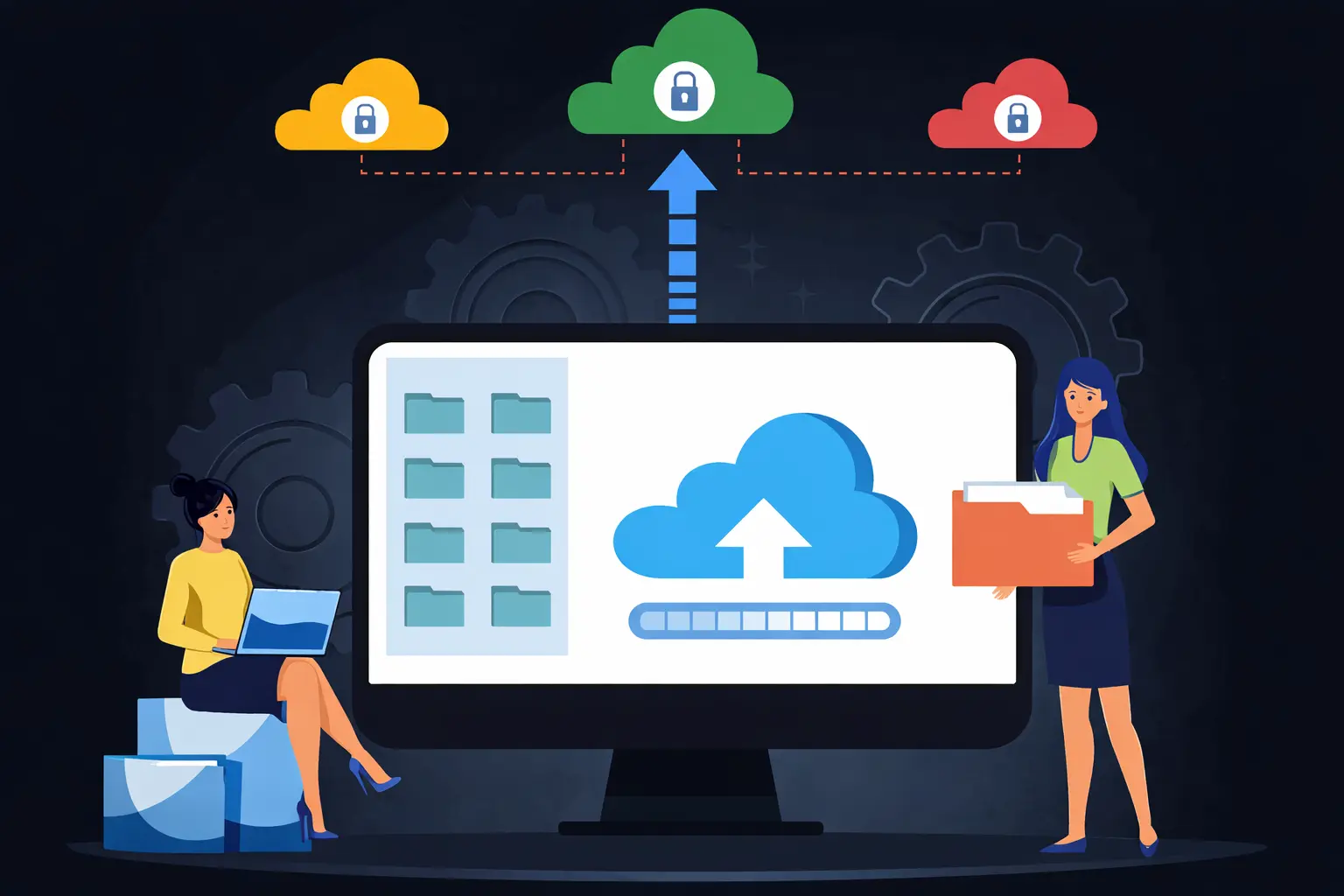
Migration projects require careful planning and execution. Successful migrations start with comprehensive application portfolio assessment to understand dependencies, performance characteristics, and migration complexity. Teams then prioritize applications based on business value and technical feasibility, starting with simpler applications to build momentum and expertise. Throughout migration, organizations maintain detailed runbooks, conduct thorough testing in staging environments, plan rollback procedures, and execute migrations during low-traffic windows to minimize business disruption.
2.3 Cloud Application Development & Deployment
Cloud-native application development represents a paradigm shift from traditional development approaches. Modern cloud engineering embraces microservices architectures where applications are composed of independent, loosely coupled services that can be developed, deployed, and scaled independently. This architectural style enables teams to work in parallel, reduces the blast radius of failures, and facilitates continuous delivery.
Container technology plays a central role in cloud application development. Containers package applications with their dependencies, ensuring consistency across development, testing, and production environments. Kubernetes has emerged as the de facto standard for container orchestration, managing deployment, scaling, and operations of containerized applications across clusters of hosts. Cloud engineers implement Kubernetes best practices including resource limits, health checks, rolling updates, and horizontal pod autoscaling to ensure reliable operations.
2.4 Cloud Automation, DevOps & CI/CD Implementation
Automation stands at the heart of effective cloud engineering. Infrastructure as Code tools like Terraform, AWS CloudFormation, and Azure Resource Manager enable teams to define infrastructure using declarative configuration files. This approach brings software engineering practices to infrastructure management, including version control, code review, automated testing, and repeatable deployments. IaC eliminates manual configuration drift, enables rapid environment provisioning, and provides complete infrastructure documentation through code.
• Source Control Integration: Automated triggers on code commits to version control systems
• Automated Testing: Unit tests, integration tests, security scans, and quality gates
• Build Automation: Compilation, artifact creation, and container image building
• Deployment Automation: Progressive rollouts, blue/green deployments, canary releases
• Environment Management: Automated provisioning of development, staging, and production environments
• Monitoring Integration: Automated deployment verification and rollback on failures
2.5 Cloud Security Engineering & Compliance Management
Security in cloud environments requires a comprehensive approach that addresses identity management, network security, data protection, and compliance requirements. Cloud security engineering implements the principle of least privilege through fine-grained identity and access management policies, ensuring users and services have only the permissions necessary for their functions. Multi-factor authentication, role-based access control, and regular access reviews form the foundation of identity security.
Network security in cloud environments leverages virtual private clouds, security groups, network access control lists, and web application firewalls to control traffic flow and prevent unauthorized access. Encryption protects data both at rest and in transit, with key management services providing secure key storage and rotation. Cloud engineers implement security monitoring and incident response capabilities, using tools like AWS GuardDuty, Azure Security Center, and Google Cloud Security Command Center to detect and respond to threats in real time.
2.6 Performance Optimization & Cost Governance (FinOps)
Cloud cost management has evolved into a dedicated discipline called FinOps (Financial Operations) that brings together finance, engineering, and business teams to optimize cloud spending. Effective cost governance requires visibility into cloud resource usage and costs, accountability through cost allocation and chargeback mechanisms, and optimization through continuous right-sizing and waste elimination.
| Optimization Strategy | Potential Savings | Implementation Approach |
|---|---|---|
| Right-sizing instances | 20-40% | Analyze utilization metrics and adjust instance types |
| Reserved instances & savings plans | 30-70% | Commit to predictable workloads with long-term pricing |
| Spot instances for flexible workloads | 60-90% | Use excess capacity for fault-tolerant applications |
| Storage tier optimization | 40-70% | Move infrequently accessed data to lower-cost tiers |
| Automated resource cleanup | 10-30% | Identify and remove unused resources |
3. Industry Use Cases of Cloud Engineering Services
3.1 Cloud Engineering for High-Growth Startups
Startups face unique challenges that make cloud engineering essential for success. Limited resources, uncertain demand, and the need for rapid iteration require infrastructure that scales effortlessly and minimizes upfront investment. Cloud engineering enables startups to launch products quickly using managed services that eliminate infrastructure management overhead. A typical startup stack leverages serverless computing for backend APIs, managed databases for data persistence, object storage for static assets, and CDN services for global content delivery.
The elasticity of cloud infrastructure proves invaluable when startups experience viral growth or seasonal demand spikes. Cloud engineering ensures applications automatically scale to handle increased traffic without manual intervention or capacity planning. This capability allows small teams to serve millions of users without expanding infrastructure staff. Moreover, the pay-as-you-go model aligns costs with revenue growth, preserving capital during early stages while providing unlimited headroom for expansion.
3.2 Enterprise Application Modernization on Cloud
Large enterprises struggle with legacy applications built on outdated technologies that hinder innovation and increase maintenance costs. Cloud engineering services help enterprises modernize these applications through systematic transformation approaches. The modernization journey typically begins with application assessment to understand current architecture, dependencies, and business criticality. Teams then develop modernization roadmaps that balance quick wins with long-term strategic goals.
A global manufacturing company modernized its 15-year-old order management system by breaking the monolithic application into microservices. The cloud engineering team containerized individual services, implemented API gateways for service communication, migrated from on-premises Oracle databases to managed cloud databases, established CI/CD pipelines for each microservice, and deployed services across multiple regions for high availability. The modernization reduced deployment time from quarterly releases to daily deployments, improved system reliability from 95% to 99.9% uptime, and decreased infrastructure costs by 40% through efficient resource utilization.
3.3 Cloud Solutions for E-commerce Scalability & Reliability
E-commerce platforms face extreme variability in traffic patterns, with Black Friday sales generating 50-100x normal traffic. Cloud engineering provides the scalability and reliability essential for e-commerce success. Modern e-commerce architectures leverage cloud services to handle traffic spikes seamlessly while maintaining fast page load times and transaction processing.
Cloud engineers design e-commerce systems with auto-scaling application tiers that add or remove capacity based on real-time demand, managed caching layers that reduce database load and improve response times, distributed databases that handle high transaction volumes, queue-based order processing for reliable asynchronous operations, and global CDN distribution for fast asset delivery worldwide. During peak shopping periods, these systems automatically scale to handle millions of concurrent users, then scale down during quiet periods to minimize costs.
3.4 Cloud Engineering in FinTech & Secure Financial Platforms
Financial technology companies operate under strict regulatory requirements while demanding the agility to innovate rapidly. Cloud engineering enables FinTech firms to meet compliance obligations while leveraging cloud capabilities. Security becomes paramount, with cloud engineers implementing comprehensive controls including encryption of sensitive financial data, network isolation through private subnets, audit logging of all system activities, compliance frameworks aligned with PCI DSS, SOC 2, and regional regulations, and disaster recovery with geo-redundant data replication.
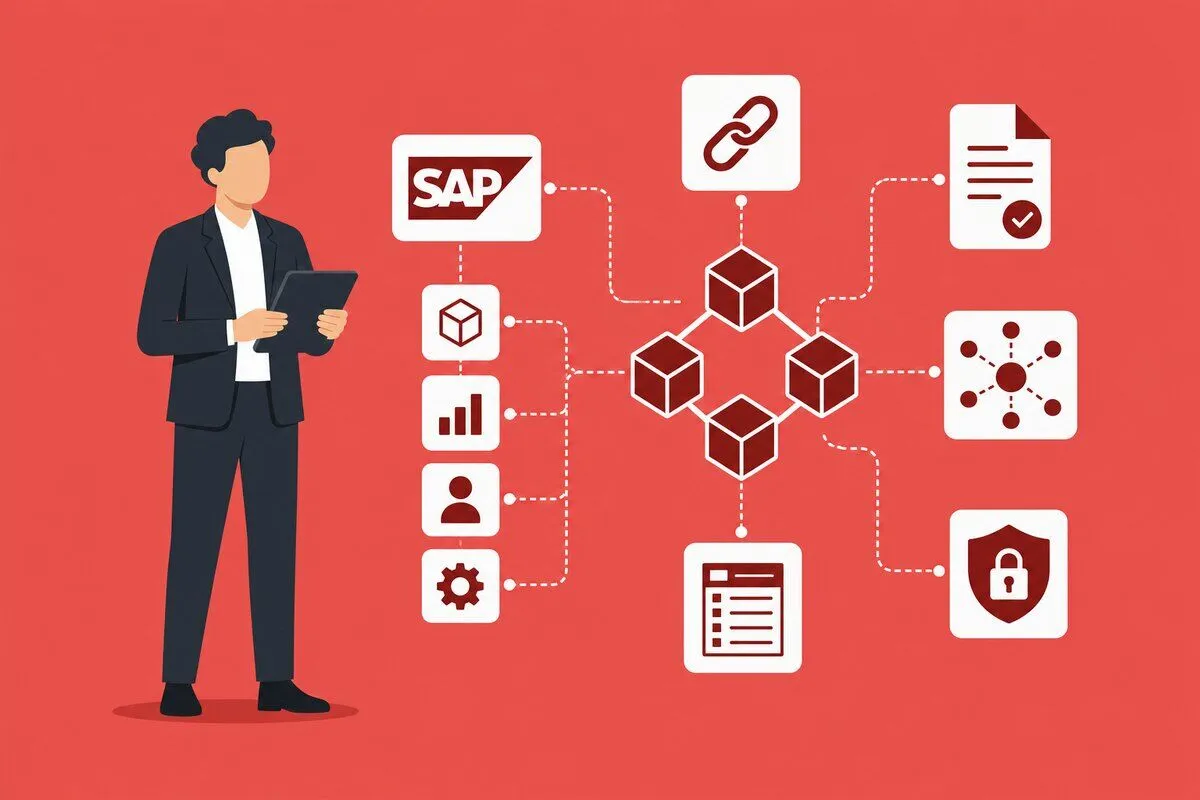
FinTech platforms benefit from cloud services designed specifically for financial applications, such as managed blockchain services for distributed ledger applications, real-time analytics for fraud detection, secure API gateways for partner integrations, and specialized compliance tools for regulatory reporting. Cloud engineering ensures these systems maintain the high availability and low latency essential for payment processing and trading applications.
3.5 Healthcare Cloud Use Cases: Compliance, Data & Telemedicine
Healthcare organizations face unique challenges balancing innovation with strict privacy regulations like HIPAA. Cloud engineering enables healthcare providers to modernize while maintaining compliance. Secure cloud architectures protect patient data through comprehensive encryption, access controls, and audit trails. Cloud engineers implement HIPAA-compliant infrastructure using dedicated hosting environments, encrypted data storage and transmission, restricted access based on role-based permissions, detailed audit logs tracking all data access, and regular security assessments and penetration testing.
Cloud engineering powers virtual care platforms with video consultation services, electronic health record integration, prescription management, and patient portal access, enabling remote healthcare delivery at scale.
Cloud platforms process large-scale genomic data, medical imaging analysis, population health analytics, and clinical trial data management, accelerating medical research and improving patient outcomes.
3.6 Cloud Engineering for AI, Big Data & Analytics Platforms
Artificial intelligence and big data analytics demand massive computational resources and sophisticated data processing pipelines. Cloud engineering provides the infrastructure and tools necessary for advanced analytics at scale. Data platforms built on cloud services ingest data from diverse sources using managed streaming services, store petabytes of data in cost-effective object storage and data lakes, process data using distributed computing frameworks like Apache Spark, train machine learning models on GPU-accelerated instances, and serve predictions through scalable inference endpoints.
The elasticity of cloud infrastructure proves particularly valuable for AI workloads that require burst compute capacity for model training. Organizations can provision hundreds of GPUs for training runs lasting hours or days, then release those resources when training completes. This approach makes advanced AI accessible to organizations that could never justify purchasing equivalent on-premises infrastructure.
3.7 SaaS Platform Development with Cloud Engineering
Software as a Service vendors build their entire businesses on cloud infrastructure, making cloud engineering central to their success. SaaS platforms require multi-tenant architectures that securely isolate customer data while maximizing resource efficiency. Cloud engineers design SaaS systems with tenant isolation strategies ensuring data security and privacy, metering and billing integration tracking usage for consumption-based pricing, automated provisioning for instant customer onboarding, global deployment providing low-latency access worldwide, and comprehensive monitoring ensuring service level agreement compliance.
4. Real Business Benefits of Cloud Engineering Services
4.1 Accelerated Time-to-Market & Faster Innovation
Cloud engineering dramatically compresses the time required to bring new products and features to market. Traditional development cycles involving infrastructure procurement, environment setup, and deployment can span months. Cloud engineering reduces this timeline to days or even hours through automated provisioning, pre-configured development environments, and streamlined deployment pipelines. Development teams gain self-service access to infrastructure, eliminating dependencies on operations teams for environment creation.
Organizations implementing cloud engineering practices report deployment frequency increasing from monthly to multiple times per day, lead time for changes decreasing from weeks to hours, change failure rate dropping below 5%, and time to restore service after incidents reducing to under one hour. These improvements enable rapid experimentation, faster feedback cycles, and continuous delivery of value to customers.
4.2 Elastic Scalability & Global Availability
Cloud engineering delivers scalability that adapts automatically to demand fluctuations. Applications scale horizontally by adding instances during peak periods and scaling down during quiet times. This elasticity eliminates the need for capacity planning based on peak load, reducing overprovisioning and associated costs. Organizations no longer experience service degradation during unexpected traffic spikes because infrastructure scales in response to actual demand.
Global availability becomes achievable for organizations of any size through cloud engineering. Multi-region deployments place applications close to users worldwide, reducing latency and improving user experience. Cloud engineers implement traffic routing strategies that direct users to the nearest healthy region, automatically failing over to alternate regions during outages. This geographic distribution provides both performance benefits and disaster recovery capabilities without the cost of building and maintaining multiple data centers.
4.3 Cost Efficiency Through Intelligent Resource Optimization
While cloud services offer pay-as-you-go pricing, achieving cost efficiency requires expertise in optimization strategies. Cloud engineering teams continuously monitor resource utilization and identify optimization opportunities. Right-sizing exercises match workload requirements to instance capabilities, eliminating overprovisioned resources. Reserved capacity commitments provide significant discounts for predictable workloads, while spot instances offer steep savings for fault-tolerant applications.
Beyond infrastructure optimization, cloud engineering enables architectural patterns that reduce costs inherently. Serverless architectures charge only for actual compute time, eliminating costs for idle capacity. Event-driven architectures process work asynchronously, allowing systems to handle varying loads efficiently. Storage tier optimization moves infrequently accessed data to lower-cost storage classes automatically. These strategies combine to deliver total cost of ownership reductions of 30-50% compared to traditional infrastructure approaches.
4.4 Enhanced Security, Compliance & Risk Management
Cloud engineering elevates security posture through systematic implementation of security best practices and automation of security controls. Cloud platforms provide enterprise-grade security capabilities that would be prohibitively expensive for most organizations to build independently. These include advanced threat detection using machine learning, automated vulnerability scanning and patching, centralized identity and access management, comprehensive audit logging, and compliance certification for major regulatory frameworks.
✓ Automated security updates and patching eliminate common vulnerabilities
✓ Encryption by default protects data at rest and in transit
✓ Network segmentation limits blast radius of potential breaches
✓ Compliance certifications provide assurance for regulated industries
✓ Security information and event management tools enable rapid threat response
✓ Infrastructure as code ensures security configurations are consistent and version controlled
4.5 Improved Reliability, Performance & Uptime
Cloud engineering achieves reliability levels that exceed traditional infrastructure through redundancy and automation. Multi-availability zone deployments distribute applications across isolated failure domains, ensuring continued operation even when entire data centers experience outages. Automated health checks continuously monitor application health, automatically replacing unhealthy instances before users experience impact. Load balancing distributes traffic across healthy instances, preventing overload situations that degrade performance.
Performance optimization through cloud engineering includes content delivery networks that cache static assets close to users, database read replicas that distribute query load, in-memory caching that accelerates data access, and connection pooling that reduces overhead. These optimizations deliver sub-second response times for user interactions, maintaining excellent user experience even under high load conditions.
4.6 Operational Agility & Continuous Delivery
Cloud engineering transforms operations through automation and DevOps practices. Continuous integration and continuous delivery pipelines enable frequent, low-risk releases by automating testing, validation, and deployment processes. Teams deploy changes multiple times per day with confidence, knowing automated quality gates prevent defects from reaching production. Rolling deployments and canary releases minimize the impact of issues by gradually exposing changes to increasing percentages of traffic.
Operational agility extends beyond deployment to encompass environment management, disaster recovery, and incident response. Infrastructure as code enables teams to create complete environments in minutes, facilitating testing and development workflows. Automated backup and recovery procedures ensure business continuity without manual intervention. Runbook automation handles common operational tasks, freeing teams to focus on strategic initiatives rather than repetitive maintenance work.
5. Cloud Engineering Services Across the Product Lifecycle
5.1 Cloud Strategy & Roadmap Planning
The cloud journey begins with strategic planning that aligns technical capabilities with business objectives. Cloud engineers work with stakeholders to understand business goals, assess current state architecture and applications, identify opportunities for cloud adoption, evaluate cloud platform options, develop phased migration roadmaps, and establish success metrics and governance frameworks. This strategic foundation ensures cloud investments deliver measurable business value rather than technology for its own sake.
5.2 Cloud Implementation & Migration Execution
Implementation transforms strategy into reality through systematic execution. Cloud engineering teams establish foundational infrastructure including networking, identity management, and security controls. They configure monitoring and observability systems, implement CI/CD pipelines and automation frameworks, migrate applications following established patterns, validate functionality and performance in cloud environments, and train operations teams on cloud management. Successful implementations balance speed with stability, delivering quick wins while building sustainable long-term solutions.
5.3 Continuous Optimization, Monitoring & Support
Cloud environments require ongoing optimization to maintain efficiency and performance. Post-migration, cloud engineering teams continuously monitor resource utilization and costs, identify and eliminate waste through unused resource cleanup, right-size resources based on actual usage patterns, optimize database queries and application code, implement caching strategies to improve performance, and refine auto-scaling configurations. This continuous improvement cycle ensures cloud investments deliver optimal value over time.
5.4 Scaling Cloud Systems for Long-Term Growth
As organizations grow, cloud systems must evolve to support increased scale and complexity. Cloud engineering facilitates this evolution by architecting for horizontal scalability, implementing data partitioning and sharding strategies, establishing multi-region deployments for global reach, optimizing database performance for high transaction volumes, implementing caching layers to reduce backend load, and refining monitoring and alerting systems. Proactive capacity planning ensures infrastructure stays ahead of demand while avoiding overprovisioning.
6. Choosing the Right Cloud Engineering Partner
6.1 Key Skills & Certifications to Look For
Selecting a cloud engineering partner requires evaluating both technical expertise and cultural fit. Strong cloud engineering teams possess deep knowledge of cloud platforms including AWS, Azure, and GCP, experience with infrastructure as code tools like Terraform and CloudFormation, proficiency in containerization and orchestration technologies, expertise in DevOps practices and CI/CD implementation, security and compliance knowledge, and programming skills in languages like Python, Go, and JavaScript.
Solutions Architect, DevOps Engineer, Security Specialty certifications demonstrate platform expertise
Azure Administrator, Azure Solutions Architect, Azure Security Engineer credentials
Kubernetes certification, Terraform expertise, security frameworks knowledge
6.2 Proven Experience Across Cloud Platforms (AWS, Azure, GCP)
While certifications demonstrate knowledge, practical experience proves capability. Evaluate potential partners based on their portfolio of successful cloud implementations, experience with use cases similar to yours, references from clients in comparable situations, contributions to open source cloud projects, and thought leadership through blogs, talks, or publications. Partners with multi-cloud experience bring valuable perspective on platform strengths and tradeoffs, helping organizations make informed technology choices.
6.3 Security-First & Compliance-Driven Approach
Security must be fundamental to cloud engineering, not an afterthought. Evaluate partners on their security practices including secure-by-default architecture patterns, comprehensive encryption strategies, identity and access management expertise, compliance framework knowledge for relevant regulations, security automation and monitoring capabilities, and incident response procedures. Partners should articulate clear security methodologies and provide examples of how they have addressed security challenges in past engagements.
6.4 Measuring Success: KPIs & Business Outcomes
• Deployment frequency and lead time for changes
• Mean time to recovery from incidents
• Infrastructure cost reduction percentage
• System uptime and reliability metrics
• Security vulnerability remediation time
• Developer productivity improvements
• Customer satisfaction scores
Successful cloud engineering engagements establish clear success criteria upfront and track progress against these metrics throughout the engagement. Partners should provide regular reporting on technical and business outcomes, demonstrating the value delivered through cloud engineering initiatives.
7. The Future of Cloud Engineering Services
7.1 The Rise of Cloud-Native & Serverless Architectures
The shift toward cloud-native architectures is accelerating as organizations realize the advantages of designing applications specifically for modern cloud environments. With the growing adoption of serverless computing and AWS cloud solutions, developers can focus more on business logic while cloud platforms manage infrastructure automatically. Services such as AWS Lambda, Azure Functions, and Google Cloud Functions support event-driven architectures that scale instantly and eliminate costs during idle periods.
Cloud-native approaches extend beyond serverless to encompass managed services that eliminate undifferentiated heavy lifting. Organizations increasingly adopt managed databases, managed container orchestration, managed message queues, and managed data analytics platforms. These services reduce operational complexity while providing enterprise-grade reliability, security, and performance. The trend toward managed services allows engineering teams to focus on delivering business value rather than maintaining infrastructure.
7.2 AI-Driven Cloud Operations & Autonomous Infrastructure
Artificial intelligence transforms cloud operations through intelligent automation and predictive capabilities. AIOps platforms analyze vast amounts of operational data to identify patterns, predict failures before they occur, automatically remediate common issues, optimize resource allocation dynamically, and provide intelligent recommendations for performance improvements. Machine learning models trained on historical data can predict capacity needs, identify security anomalies, and optimize costs more effectively than manual approaches.
Autonomous infrastructure that self-heals and self-optimizes without human intervention, predictive scaling that anticipates demand changes before they occur, intelligent cost optimization that automatically implements savings recommendations, automated security threat detection and response, and code generation assistants that help developers build cloud-native applications faster.
7.3 Sustainability & Green Cloud Engineering Trends
Environmental sustainability increasingly influences cloud engineering decisions as organizations recognize their responsibility to minimize carbon footprint. Cloud providers invest heavily in renewable energy, carbon-neutral operations, and energy-efficient data centers. Cloud engineering contributes to sustainability through efficient resource utilization that reduces waste, intelligent workload scheduling that uses renewable energy when available, right-sizing that eliminates overprovisioned resources, serverless architectures that consume resources only when needed, and migration from on-premises data centers to efficient cloud infrastructure.
Green cloud engineering practices include measuring and reporting carbon emissions from cloud infrastructure, optimizing geographic deployment to leverage renewable energy sources, implementing automated resource cleanup to eliminate waste, selecting efficient instance types and storage tiers, and architecting for sustainability alongside performance and cost considerations. As environmental awareness grows, sustainability metrics will become standard components of cloud engineering success measurement.
Conclusion: Embracing Cloud Engineering for Competitive Advantage
Cloud engineering services represent far more than infrastructure management; they enable the digital transformation that modern businesses require to compete effectively. By providing scalable infrastructure, accelerating innovation, optimizing costs, and enhancing security, cloud engineering delivers tangible business benefits across industries and use cases.
Organizations that embrace cloud engineering practices gain significant advantages in speed, agility, and efficiency. They deploy new features faster, scale effortlessly to meet demand, maintain high reliability and security, and optimize costs continuously. These capabilities translate directly to competitive advantage in markets where customer experience and innovation speed determine success.
The cloud engineering landscape continues evolving with emerging technologies like AI, serverless computing, and sustainable infrastructure practices. Organizations that partner with experienced cloud engineering teams position themselves to leverage these innovations as they mature, ensuring their technology capabilities remain current and competitive. The investment in professional cloud engineering services pays dividends through improved business outcomes, operational excellence, and the foundation for continued growth and innovation.
Frequently Asked Questions
Q1.What are cloud engineering services?
Cloud engineering services involve designing, building, migrating, and managing cloud-based systems to ensure scalability, security, performance, and cost efficiency for businesses.
Q2.How do cloud engineering services benefit businesses?
They improve operational agility, reduce infrastructure costs, accelerate product development, enhance security, and enable businesses to scale globally without infrastructure limitations.
Q3.Which industries benefit the most from cloud engineering services?
Industries such as fintech, healthcare, e-commerce, SaaS, media, and enterprise IT benefit significantly due to their need for high availability, data security, and rapid scalability.
Q4.What is the difference between cloud engineering and cloud computing?
Cloud computing provides access to cloud resources, while cloud engineering focuses on architecting, optimizing, and governing those resources for long-term business performance and reliability.
Q5.When should a company invest in cloud engineering services?
Organizations should invest when scaling operations, modernizing legacy systems, launching new digital products, or when facing performance, security, or cost optimization challenges.
Explore Services
Related Services
Reviewed by

Aman Vaths
Founder of Nadcab Labs
Aman Vaths is the Founder & CTO of Nadcab Labs, a global digital engineering company delivering enterprise-grade solutions across AI, Web3, Blockchain, Big Data, Cloud, Cybersecurity, and Modern Application Development. With deep technical leadership and product innovation experience, Aman has positioned Nadcab Labs as one of the most advanced engineering companies driving the next era of intelligent, secure, and scalable software systems. Under his leadership, Nadcab Labs has built 2,000+ global projects across sectors including fintech, banking, healthcare, real estate, logistics, gaming, manufacturing, and next-generation DePIN networks. Aman’s strength lies in architecting high-performance systems, end-to-end platform engineering, and designing enterprise solutions that operate at global scale.