Ai Overview
Decentralized applications, commonly known as dApps, represent a revolutionary shift in how software applications are built and operated. Traditional apps prioritize convenience and speed, often at the expense of user privacy and data ownership. The protocol has facilitated over $1 trillion in trading volume, demonstrating the viability of decentralized financial infrastructure.
Key Takeaways
- dApps are decentralized applications running on blockchain networks, eliminating central authority and providing users with greater control over their data and digital assets.
- Smart contracts power dApps by automating processes and executing agreements without intermediaries, ensuring transparency, security, and trustless interactions between parties on the blockchain.
- Unlike traditional apps, dApps offer censorship resistance, transparency, and immutability, making them ideal for financial services, gaming, social media, and supply chain management applications.
- To use dApps, you need a cryptocurrency wallet, some native cryptocurrency for gas fees, and basic understanding of blockchain transactions and security best practices.
- Popular dApp categories include DeFi platforms like Uniswap and Aave, NFT marketplaces like OpenSea, blockchain games like Axie Infinity, and decentralized social networks offering Web3 experiences.
- While dApps provide enhanced security and user ownership, beginners should be aware of risks including smart contract vulnerabilities, irreversible transactions, gas fee volatility, and phishing scams.
- The future of dApps involves improved scalability, better user experiences, cross-chain interoperability, and mainstream adoption as Web3 infrastructure matures and becomes more accessible to everyday users.
What Exactly Are dApps?
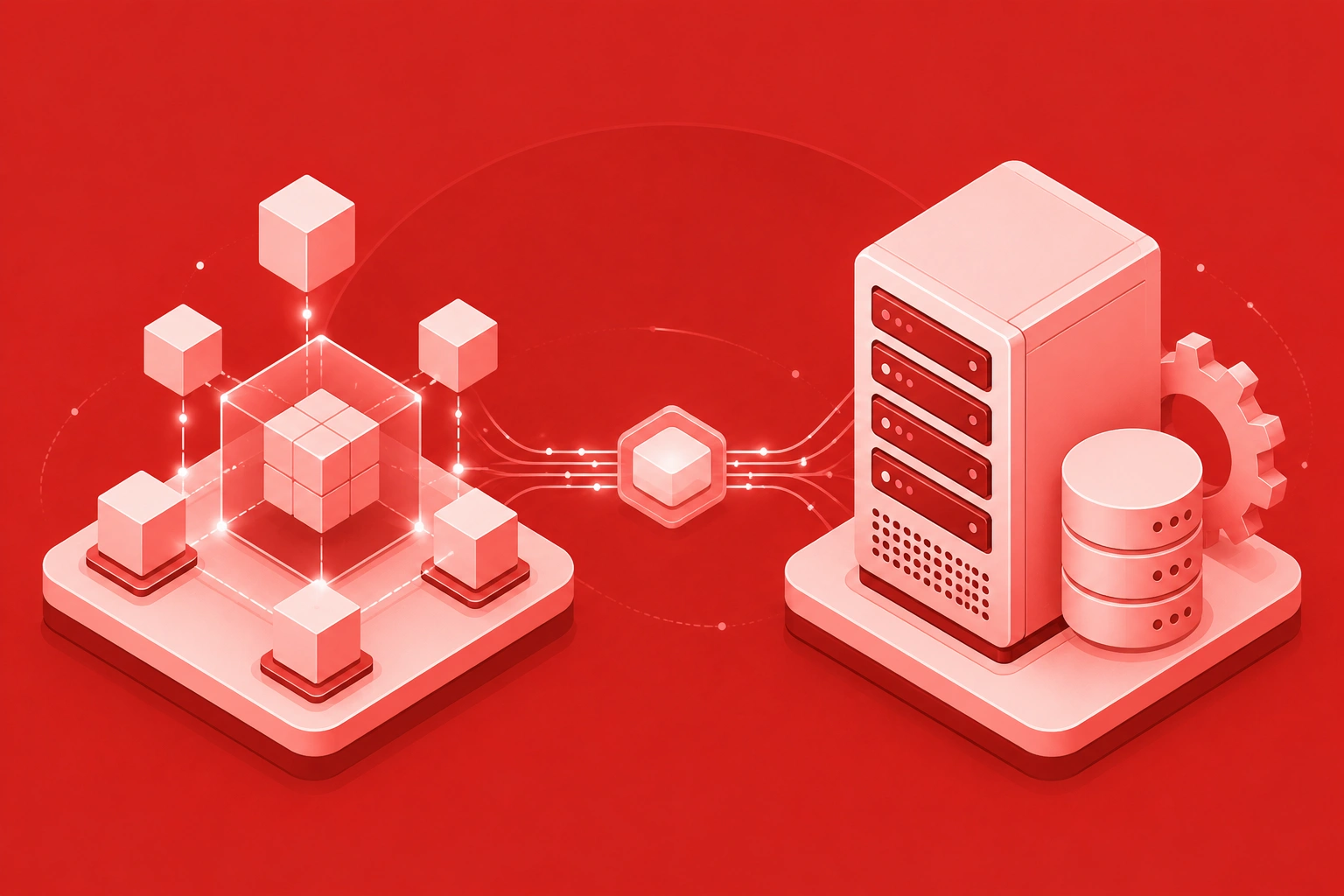
Decentralized applications, commonly known as dApps, represent a revolutionary shift in how software applications are built and operated. Unlike conventional applications that rely on centralized servers controlled by a single organization, dApps run on blockchain networks where control is distributed among many participants. This fundamental architectural difference creates applications that are transparent, censorship-resistant, and operate without a central authority dictating terms or controlling user data.
The core distinguishing feature of dApps is their backend code, which executes on a decentralized peer-to-peer network rather than centralized servers. This means that no single entity owns or controls the application entirely. Smart contracts, which are self-executing programs stored on the blockchain, form the backbone of dApp functionality. These contracts automatically enforce rules and execute transactions when predetermined conditions are met, eliminating the need for intermediaries or trusted third parties.
dApps maintain their front-end user interface similar to traditional applications, making them accessible through web browsers or mobile apps. However, the critical difference lies in how they process and store data. Every transaction, state change, and interaction within a dApp is recorded on the blockchain, creating an immutable, transparent ledger that anyone can verify. This transparency ensures accountability and builds trust among users who can audit the application’s behavior and history.
The decentralized nature of these applications means they continue functioning as long as the blockchain network exists, regardless of whether the original developers maintain them. This resilience against shutdowns, censorship, or single points of failure makes dApps particularly valuable in scenarios where reliability, transparency, and resistance to external control are paramount. Users interact with dApps through cryptocurrency wallets, which serve as their digital identity and gateway to the Web3 ecosystem.
How dApps Are Different from Regular Apps?
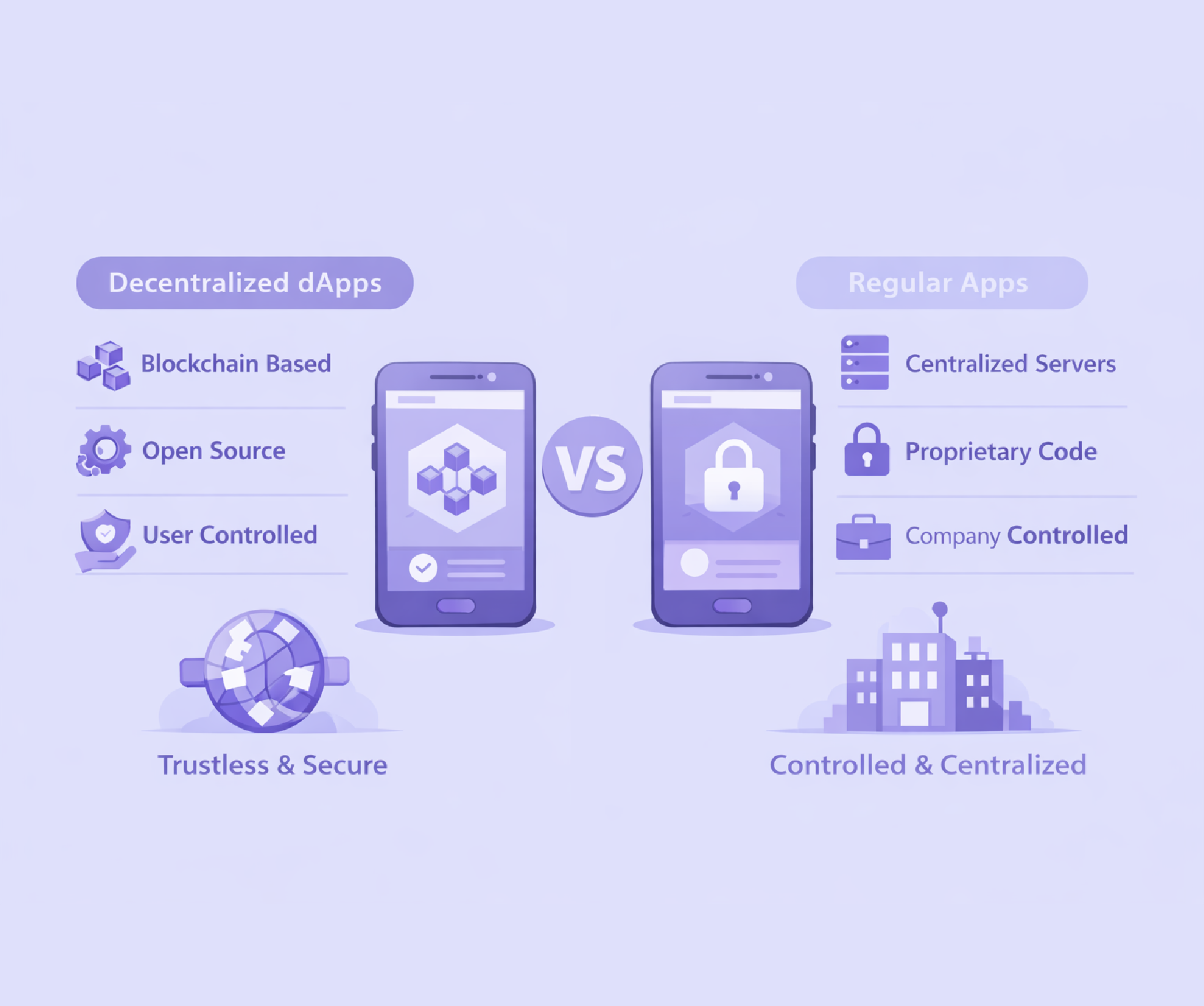
| Aspect | Traditional Apps | dApps |
|---|---|---|
| Infrastructure | Centralized servers owned by companies | Decentralized blockchain networks |
| Control | Single company controls all aspects | Distributed among network participants |
| Data Ownership | Company owns and controls user data | Users own their data and assets |
| Transparency | Closed-source, proprietary code | Open-source, verifiable smart contracts |
| Censorship | Can be shut down or censored | Censorship-resistant by design |
| Authentication | Username and password systems | Cryptocurrency wallet connections |
| Transaction Costs | Company-determined fees or subscriptions | Network gas fees for blockchain transactions |
The fundamental differences between traditional applications and dApps extend beyond technical architecture to encompass philosophy and user experience. Traditional apps prioritize convenience and speed, often at the expense of user privacy and data ownership. Companies running these apps can change terms of service, access user data, or even shut down services at will. In contrast, dApps embed rules directly into smart contracts, making them transparent and unchangeable without community consensus. These distinctions are well explained in this dApps vs traditional apps resource.
User authentication provides another stark contrast. Traditional apps require users to create accounts with email addresses and passwords, centralizing identity management and creating potential security vulnerabilities. dApps utilize cryptocurrency wallets as authentication mechanisms, giving users complete control over their digital identity. This approach eliminates the need to trust a central authority with personal information while maintaining security through cryptographic keys.
Performance and scalability represent ongoing challenges that differentiate these application types. Traditional apps can scale rapidly by adding more servers and optimizing code, offering smooth user experiences with minimal latency. dApps, constrained by blockchain limitations, may experience slower transaction times and higher costs during network congestion. However, layer-2 solutions and newer blockchain architectures are progressively addressing these limitations, bringing dApp performance closer to traditional app standards while maintaining decentralization benefits.
Key Features That Make dApps Unique
How Do dApps Work on Blockchain?
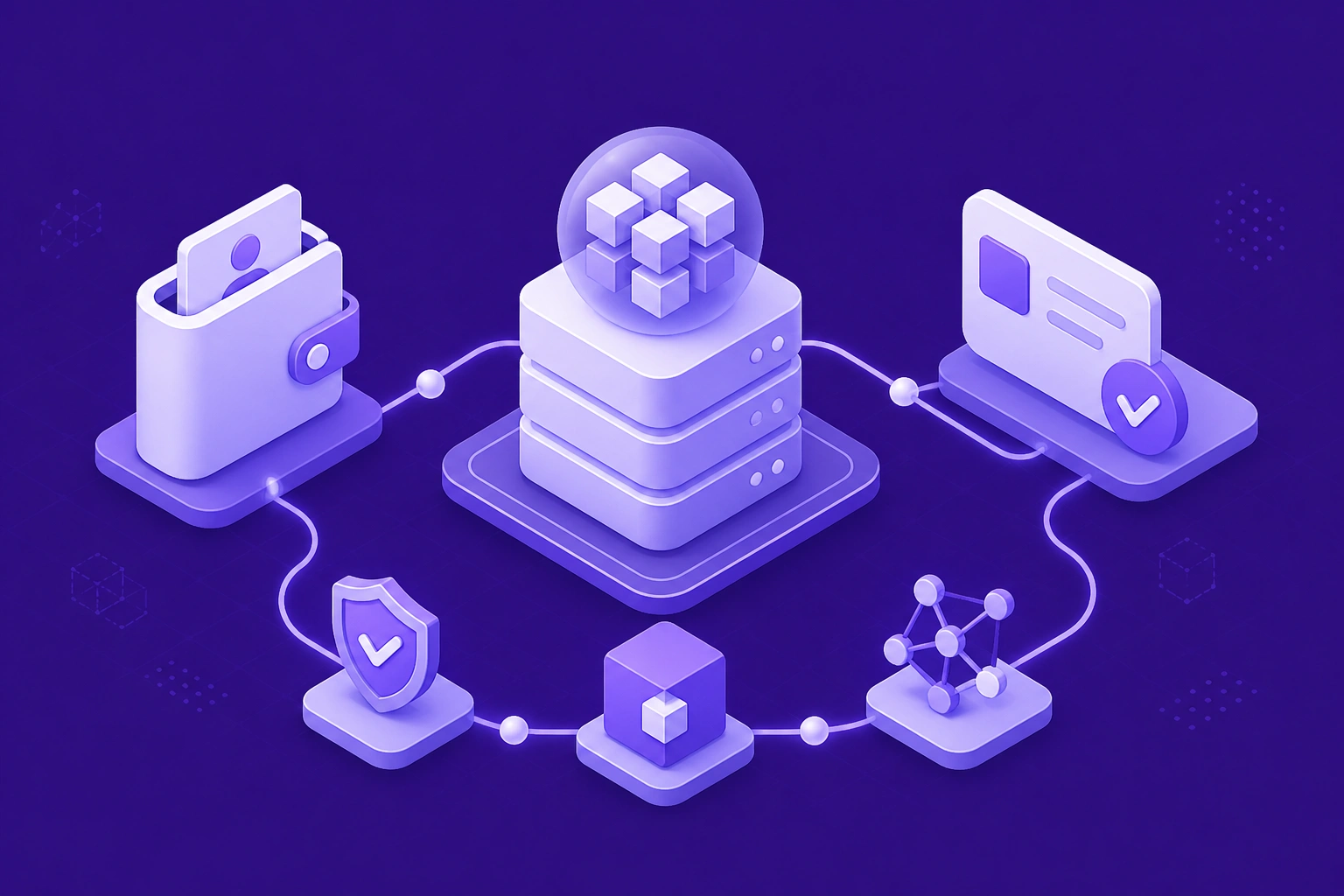
The interaction between users, front-end interfaces, wallets, smart contracts, and blockchain networks creates a sophisticated ecosystem that operates without central coordination. Front-end developers build user interfaces using standard web technologies like HTML, CSS, and JavaScript, which communicate with smart contracts through Web3 libraries. These libraries handle the complex cryptographic operations and network communications required to interact with blockchain networks seamlessly.
Data storage in dApps follows a hybrid approach due to blockchain storage costs and limitations. Critical data like financial transactions, ownership records, and contract state variables are stored on-chain where immutability and security are paramount. Less critical data such as images, large files, or frequently changing information may be stored off-chain using decentralized storage solutions like IPFS or Arweave, with only references or hashes stored on the blockchain for verification purposes.
What Role Do Smart Contracts Play in dApps?
Smart contracts form the foundational layer of dApp functionality, serving as self-executing programs that automatically enforce agreements and business logic without human intervention. Written in blockchain-specific programming languages like Solidity for Ethereum, these contracts encode rules, conditions, and actions that execute when predetermined criteria are met. They effectively replace traditional legal contracts and intermediaries with code that operates transparently and deterministically on the blockchain.
The power of smart contracts lies in their ability to create trustless interactions between parties who may not know or trust each other. When two users engage in a transaction through a dApp, the smart contract ensures both parties fulfill their obligations simultaneously. For example, in a decentralized exchange, the smart contract holds both users’ assets and only completes the swap when both sides have deposited the agreed amounts, eliminating counterparty risk and the need for escrow services.
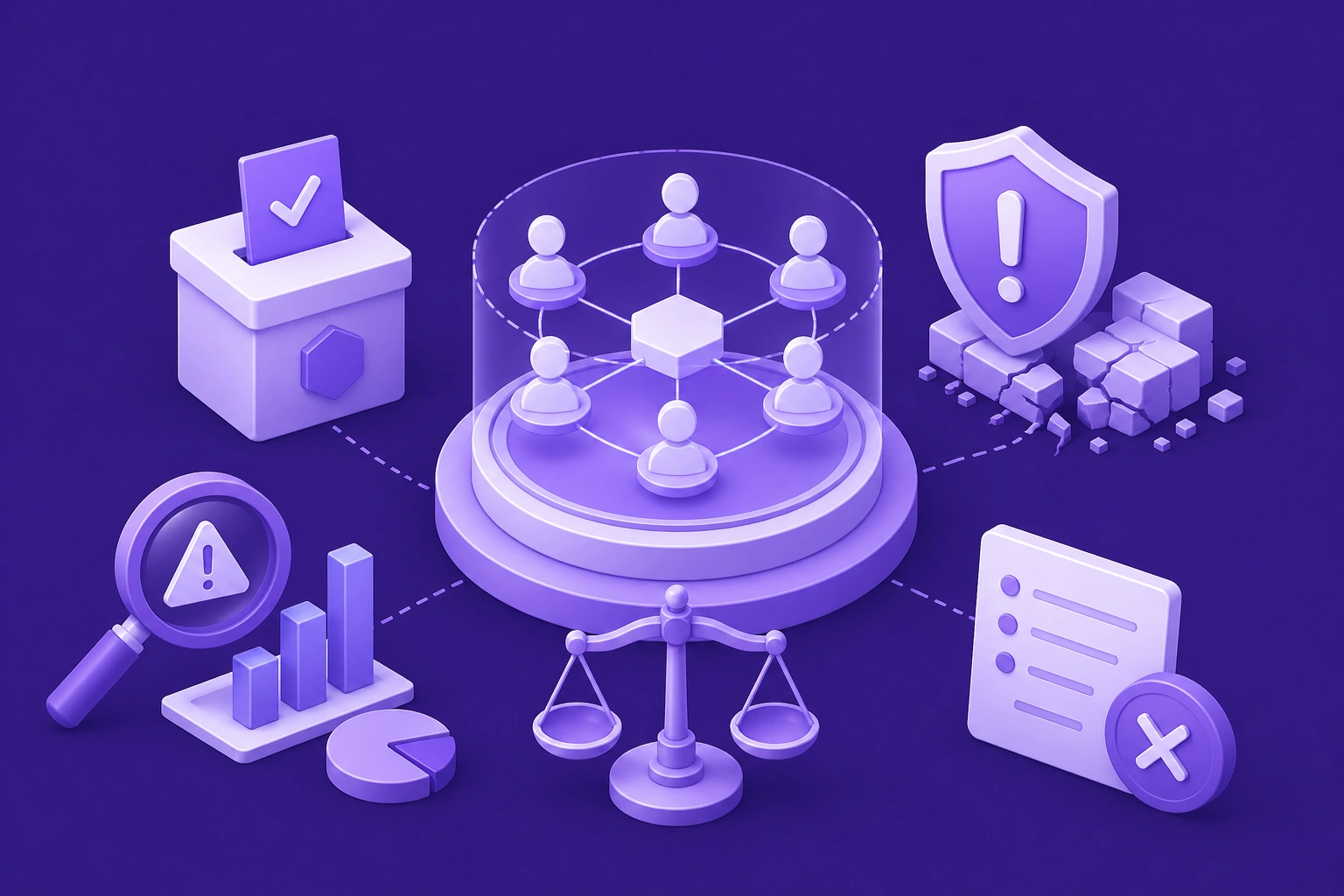
Security considerations around smart contracts demand rigorous development practices. Once deployed, contracts cannot be modified, making bugs and vulnerabilities permanent unless upgrade mechanisms are built in. This immutability necessitates comprehensive testing, formal verification, and professional security audits before deployment. High-profile hacks exploiting smart contract vulnerabilities have resulted in millions of dollars in losses, emphasizing the critical importance of secure coding practices and thorough auditing.
Smart contracts enable programmable money and complex financial instruments impossible in traditional systems. They power lending protocols that automatically adjust interest rates based on supply and demand, yield farming platforms that distribute rewards proportionally to stakers, and governance systems where token holders vote on protocol changes. These capabilities transform how financial services operate, removing barriers to entry and creating opportunities for global participation without requiring permission from centralized authorities.
Why dApps Matter in the Web3 Ecosystem?
dApps represent the practical manifestation of Web3 principles, transforming theoretical concepts of decentralization and user ownership into tangible applications that people can use daily. They challenge the existing internet paradigm where a handful of tech giants control vast amounts of user data, content distribution, and digital commerce. By redistributing power from corporations to users and communities, dApps create a more equitable digital landscape where individuals maintain sovereignty over their digital lives.
The economic implications of widespread dApp adoption extend far beyond cryptocurrency speculation. These applications enable new business models where users, not shareholders, capture the value they create. Token-based incentive systems reward early adopters, active contributors, and community members proportionally to their participation. This alignment of incentives creates network effects where users benefit from the platform’s growth rather than merely providing free labor and data for corporate profit.
Financial inclusion represents one of the most compelling arguments for dApp adoption. Traditional financial systems exclude billions of people due to geographical limitations, documentation requirements, or minimum balance thresholds. dApps operating on public blockchains are permissionless and accessible to anyone with an internet connection and a basic smartphone. This accessibility democratizes financial services, enabling people in developing countries to access savings accounts, loans, insurance, and investment opportunities previously unavailable to them.
Data privacy and security concerns driving dApp adoption intensify as traditional platforms experience breaches and misuse user information. Decentralized architectures eliminate central databases that serve as attractive targets for hackers. Users control their data through cryptographic keys rather than trusting platforms to protect their information. This paradigm shift addresses growing concerns about surveillance capitalism and provides individuals with digital autonomy in an increasingly data-driven world.
Innovation velocity in the Web3 space demonstrates how open protocols and composable smart contracts accelerate development. Developers build on existing protocols without requiring permission or integration agreements, creating novel applications by combining different dApp functionalities. This permissionless innovation contrasts sharply with Web2’s walled gardens where platform owners control API access and extract rents from developers building on their ecosystems.
Types of dApps You Should Know About
Popular Examples of dApps Used Today
Understanding specific dApp examples helps illustrate how these applications function in practice and the value they provide to users. Uniswap, the largest decentralized exchange, allows users to swap thousands of different tokens without creating accounts or completing identity verification. Its automated market maker model uses liquidity pools instead of traditional order books, enabling anyone to become a liquidity provider and earn fees from trades. The protocol has facilitated over $1 trillion in trading volume, demonstrating the viability of decentralized financial infrastructure.
Aave represents innovation in decentralized lending markets, offering users the ability to deposit crypto assets and earn interest or borrow against their holdings without credit checks or intermediaries. The protocol introduces novel features like flash loans, allowing users to borrow large amounts without collateral as long as the loan is repaid within the same transaction. This capability enables complex arbitrage strategies and liquidation mechanisms impossible in traditional finance, showcasing how smart contracts enable entirely new financial primitives.
OpenSea transformed digital art and collectibles markets by providing a user-friendly marketplace for NFTs. Artists mint their work directly on blockchain, establishing provable ownership and authenticity. Buyers receive verifiable digital assets they can display, trade, or use across different platforms. The marketplace supports royalties programmed into smart contracts, ensuring creators earn from secondary sales automatically. This infrastructure has enabled digital creators to generate significant income streams previously impossible in traditional digital media.
Axie Infinity pioneered play-to-earn gaming, allowing players in developing countries to earn meaningful income through gameplay. Players purchase or breed Axies (NFT creatures), battle other players, and earn cryptocurrency rewards. The game created an economic system where skilled players and early adopters generated substantial returns, though sustainability challenges emerged as new player growth slowed. Despite these challenges, it demonstrated how blockchain gaming could create real economic opportunities and genuine asset ownership for players.
MakerDAO operates the DAI stablecoin, maintaining its value through over-collateralization and decentralized governance. Users lock crypto assets in smart contracts to mint DAI, which maintains a stable $1 value through algorithmic mechanisms and community-voted parameters. The protocol represents one of the most successful decentralized governance experiments, with MKR token holders voting on risk parameters, collateral types, and system upgrades. Its success demonstrates how decentralized organizations can manage complex financial systems without centralized control.
Where Are dApps Used? Real-World Use Cases
Decentralized finance represents the most mature dApp use case, with billions of dollars locked in protocols offering sophisticated financial services. Users access lending and borrowing platforms where they deposit crypto assets as collateral to borrow other assets, with interest rates determined algorithmically based on supply and demand. Yield farming strategies allow users to maximize returns by moving assets between different protocols, while liquidity provision generates passive income from trading fees. These DeFi applications operate 24/7 without holidays or business hours, serving a global user base efficiently.
Remittances and cross-border payments benefit significantly from dApp infrastructure, particularly in corridors where traditional services charge excessive fees. Workers sending money to families in other countries can use stablecoin-based dApps to transfer value quickly and cheaply compared to services like Western Union. Recipients can convert stablecoins to local currency through peer-to-peer platforms or crypto-friendly businesses, often saving 5-10% in fees while receiving funds within minutes rather than days.
Creative industries increasingly leverage NFT-based dApps for distribution and monetization. Musicians release albums as NFTs, granting holders exclusive access to unreleased tracks, virtual concert tickets, or merchandise. Writers publish books with NFT ownership conferring rights to adaptations or bonus content. These models enable direct creator-to-fan relationships, reducing reliance on publishers, labels, and distributors who traditionally capture the majority of revenue while maintaining creative control.
Decentralized autonomous organizations (DAOs) use governance dApps to coordinate communities without traditional corporate structures. Members hold governance tokens representing voting rights on proposals affecting the organization’s direction, treasury management, and rule changes. Successful DAOs manage hundreds of millions in assets, fund public goods, invest in startups, and govern DeFi protocols. This organizational model enables global collaboration and decision-making at scales previously impossible without centralized coordination.
Insurance applications demonstrate how dApps can improve traditional industries through transparency and automation. Parametric insurance protocols automatically pay claims when predetermined conditions occur, verified through blockchain oracles connecting smart contracts to real-world data. Flight delay insurance automatically compensates travelers when flights are late, while crop insurance pays farmers when weather data indicates drought or excessive rain. This automation eliminates lengthy claims processes and reduces administrative costs substantially.
What You Need Before Using a dApp?
How to Access and Use a dApp
Future of dApps: How They Will Change the Internet
The trajectory of dApp development points toward mainstream adoption as technical limitations diminish and user experiences improve. Layer-2 scaling solutions like Optimism, Arbitrum, and zkSync are already processing thousands of transactions per second with fees below one cent, making dApps practical for everyday use cases like social media interactions, gaming, and microtransactions. These improvements address the primary barrier preventing mass adoption while maintaining security guarantees of the underlying blockchain.
Cross-chain interoperability will enable seamless movement of assets and data between different blockchain networks, creating a more cohesive Web3 ecosystem. Projects like Polkadot, Cosmos, and LayerZero are building infrastructure allowing dApps to leverage multiple blockchains simultaneously, choosing optimal networks for specific functions. Users will interact with multi-chain dApps without awareness of underlying technical complexity, similar to how internet users don’t consider which servers host websites they visit.
Account abstraction represents a paradigm shift making dApps accessible to non-technical users. This innovation enables features like social recovery (friends can help restore account access), gasless transactions (applications pay fees for users), and familiar authentication methods while maintaining security benefits of blockchain technology. These improvements eliminate barriers preventing typical internet users from adopting Web3 applications, potentially expanding the user base from millions to billions.
Integration with artificial intelligence will create intelligent dApps that personalize experiences, automate complex strategies, and provide sophisticated insights. AI agents operating autonomously on blockchain could manage DeFi portfolios, optimize yields, negotiate contracts, and coordinate with other agents to accomplish complex tasks. Platforms like Wp Managify can help developers and businesses manage their Web3 or blockchain-related content sites efficiently, ensuring performance, security, and scalability as decentralized applications continue to gain mainstream adoption.
Regulatory clarity emerging globally will provide legitimacy and consumer protection while preserving innovation. As governments establish frameworks for digital assets and decentralized technologies, institutional adoption will accelerate. Banks, corporations, and government agencies are already exploring blockchain applications for payments, supply chains, identity management, and public records. This institutional participation will drive dApp development toward enterprise-grade reliability and professional user experiences.
Common Myths About dApps
Tips for First-Time Users to Get Started Safely
Get Expert Guidance on dApp Solutions
Work with blockchain specialists to choose the right dApp architecture, scalability stack, smart contract framework, and deployment strategy tailored to your project.
Final Thoughts: Should You Start Using dApps
Deciding whether to explore dApps depends on your individual circumstances, risk tolerance, and interest in emerging technologies. For those passionate about financial sovereignty, data ownership, or participating in the future of the internet, dApps offer compelling opportunities unavailable in traditional systems. The technology has matured significantly, with user-friendly interfaces and robust infrastructure supporting millions of users globally in managing billions of dollars in value.
However, the space remains nascent with legitimate risks including smart contract vulnerabilities, regulatory uncertainty, price volatility, and user experience friction. Educational investment is essential before committing significant resources. Those uncomfortable with technical concepts, irreversible transactions, or accepting personal responsibility for security may prefer waiting until the ecosystem matures further and regulatory protections solidify.
The trajectory suggests that understanding blockchain technology and dApp functionality will become increasingly valuable as Web3 infrastructure permeates mainstream internet services. Financial institutions, technology companies, and governments worldwide are investing billions in blockchain development, signaling this technology’s potential to reshape digital interactions fundamentally. Early familiarity positions individuals to capitalize on opportunities as the ecosystem expands.
Starting your dApp journey with small experiments, thorough research, and continuous learning provides the best approach. Engage with community resources, follow reputable educational content, and participate in test environments before committing real value. The Web3 community generally supports newcomers, with extensive documentation, tutorials, and forums available for those willing to learn. Your involvement, even at minimal levels, contributes to building a more decentralized, equitable internet for everyone.
The future of the internet is decentralized, transparent, and user-controlled. Whether you choose to participate now or observe from the sidelines, understanding what dApps are and how they function prepares you for the inevitable transformation of digital services. The question isn’t whether blockchain technology will impact your life, but rather when and how you’ll choose to engage with it.
Reviewed by

Aman Vaths
Founder of Nadcab Labs
Aman Vaths is the Founder & CTO of Nadcab Labs, a global digital engineering company delivering enterprise-grade solutions across AI, Web3, Blockchain, Big Data, Cloud, Cybersecurity, and Modern Application Development. With deep technical leadership and product innovation experience, Aman has positioned Nadcab Labs as one of the most advanced engineering companies driving the next era of intelligent, secure, and scalable software systems. Under his leadership, Nadcab Labs has built 2,000+ global projects across sectors including fintech, banking, healthcare, real estate, logistics, gaming, manufacturing, and next-generation DePIN networks. Aman’s strength lies in architecting high-performance systems, end-to-end platform engineering, and designing enterprise solutions that operate at global scale.