Ai Overview
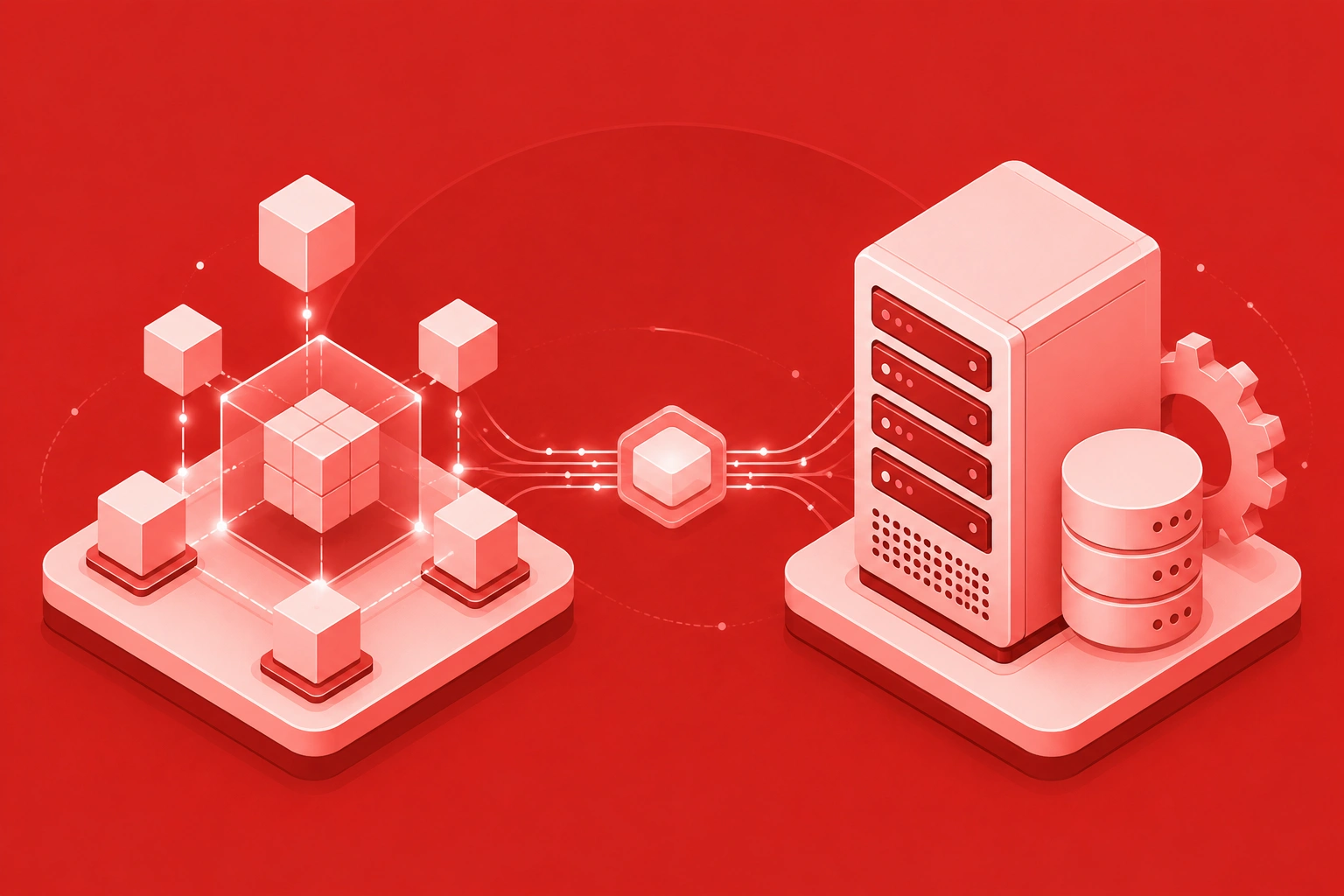
Decentralized applications represent a fundamental shift in how software operates, moving away from centralized servers controlled by single entities toward distributed networks powered by blockchain technology. The dApp gas fees problem extends beyond absolute cost to include unpredictability and complexity in fee estimation. Users must navigate this complex landscape, choosing networks based on their priorities regarding speed, cost, security, and decentralization.
Key Takeaways
- ✓Wallet setup and private key management remain the most significant barriers preventing mainstream dApp adoption across USA, UK, UAE, and Canadian markets.
- ✓Unpredictable gas fees and transaction costs create financial uncertainty that discourages new users from experimenting with decentralized applications regularly.
- ✓User interface challenges and technical jargon in many dApps prevent non-technical users from understanding and effectively using blockchain applications.
- ✓Scalability limitations on popular blockchain networks cause slow transaction speeds and increased costs during periods of high network congestion.
- ✓Smart contract vulnerabilities expose users to security risks without the safety nets and reversibility options available in traditional centralized platforms.
- ✓The absence of traditional customer support infrastructure in decentralized platforms leaves users without assistance when encountering technical problems or transaction failures.
- ✓Regulatory uncertainty across different jurisdictions creates legal confusion and compliance challenges for users engaging with blockchain applications internationally.
- ✓Interoperability challenges between different blockchain networks limit functionality and create fragmented user experiences across the decentralized ecosystem.
- ✓The steep learning curve for non-technical users requires understanding blockchain fundamentals that go far beyond typical software application knowledge.
- ✓Modern blockchain dApp development companies are actively addressing these limitations through layer-2 solutions, improved UX design, and simplified onboarding processes.
Introduction to Decentralized Applications
Decentralized applications represent a fundamental shift in how software operates, moving away from centralized servers controlled by single entities toward distributed networks powered by blockchain technology. These applications leverage smart contracts to execute predefined logic without intermediaries, creating transparent and trustless systems where users maintain control over their data and digital assets. The promise of decentralized applications has captured significant attention from investors, technologists, and businesses across global markets including the USA, UK, UAE, and Canada.
Despite their revolutionary potential, understanding the limitations of dApps becomes crucial for anyone considering adoption or implementation. While these applications offer unprecedented benefits like censorship resistance, data ownership, and transparent operations, they also introduce unique challenges that traditional centralized applications do not face. For organizations with over eight years of experience in blockchain dapp development company services, recognizing these limitations enables the creation of more user-friendly solutions that bridge the gap between Web2 familiarity and Web3 innovation. The complexity inherent in blockchain technology creates barriers that prevent mainstream adoption, particularly among users unfamiliar with cryptographic concepts, wallet management, and blockchain transaction mechanics.
Why dApps Are Becoming Popular in the Web3 Ecosystem
The Web3 ecosystem has witnessed exponential growth in dApp adoption driven by increasing awareness of data privacy concerns, distrust of centralized platforms, and the financial opportunities presented by decentralized finance protocols. Traditional applications collect vast amounts of user data, monetize personal information without transparent compensation, and maintain complete control over user accounts and assets. In contrast, dApps for beginners offer an alternative model where users own their data, control their digital identities, and participate directly in platform governance through token-based voting mechanisms.
Financial applications have led the charge in demonstrating dApp utility, with decentralized exchanges, lending platforms, and yield farming protocols attracting billions in total value locked. Users in developed markets appreciate the 24/7 accessibility, permissionless participation, and global reach that blockchain applications provide. Unlike traditional financial services requiring extensive documentation, credit checks, and geographic restrictions, dApps allow anyone with an internet connection and cryptocurrency wallet to access sophisticated financial instruments previously reserved for institutional investors or accredited individuals.
Beyond finance, dApps are gaining traction in gaming, social media, supply chain management, and digital identity verification. The transparency of blockchain transactions creates audit trails that improve accountability in industries plagued by opacity and fraud. Smart contracts automate complex multi-party agreements without requiring trust in intermediaries, reducing costs and settlement times. As major corporations and governments explore blockchain integration, the legitimacy and perceived value of decentralized applications continue growing, attracting venture capital investment and talented professionals to the space.
Complex Wallet Setup and Private Key Management
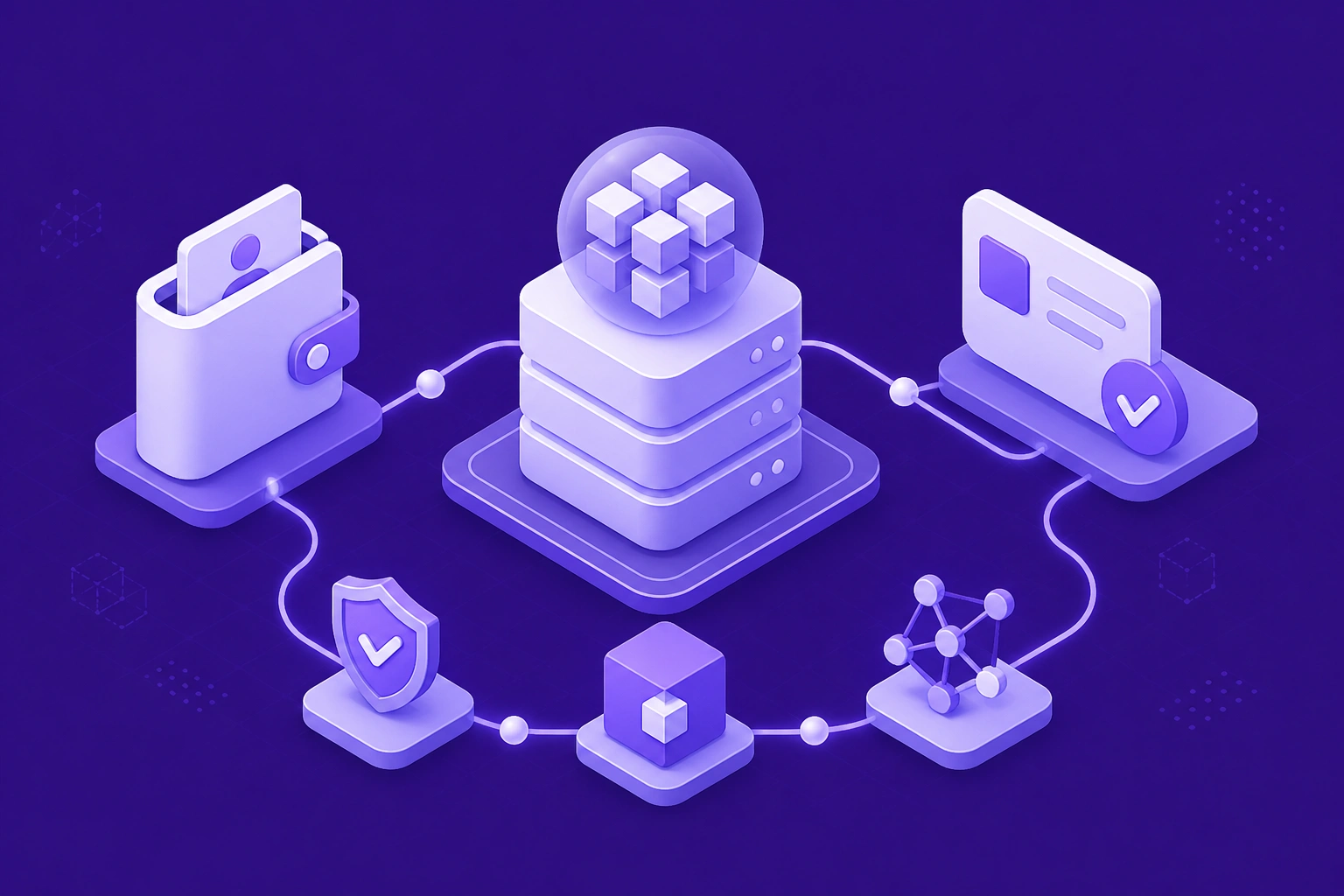
One of the most significant dApp challenges facing mainstream adoption involves the complex process of wallet setup and ongoing private key management responsibilities. Traditional applications use familiar username and password systems with password recovery options through email verification or security questions. Blockchain wallets fundamentally differ by requiring users to securely store 12 to 24-word recovery phrases that represent complete control over their digital assets. Losing this recovery phrase means permanent loss of funds with no centralized authority capable of account recovery or password reset.
The wallet setup difficulties extend beyond initial configuration to encompass ongoing security responsibilities that intimidate non-technical users. Users must understand the difference between hot wallets connected to the internet and cold storage solutions for long-term holdings. They need to recognize phishing attempts where malicious websites request seed phrases, distinguish between legitimate wallet connection requests and potential scams, and manage multiple wallet addresses across different blockchain networks. Each network may require separate wallet configurations, adding layers of complexity that confuse newcomers expecting unified experiences similar to traditional banking applications.
Enterprise blockchain dapp development company solutions recognize these barriers and increasingly implement abstraction layers that simplify key management while maintaining security. Social recovery mechanisms allow trusted contacts to help restore access, multi-signature requirements distribute control across multiple parties, and account abstraction standards enable more flexible security models. However, these advanced features remain uncommon in mainstream dApps, leaving most users struggling with the fundamental tension between security requirements and usability expectations developed through years of centralized application usage.
Critical Wallet Security Considerations
Secure Seed Phrase Storage
Never store recovery phrases digitally or share them with anyone. Write them on paper and keep multiple physical copies in secure locations separate from each other.
Phishing Attack Awareness
Verify website URLs carefully before connecting wallets. Legitimate dApps never request seed phrases, and official platforms use consistent domain names without suspicious variations.
Transaction Approval Review
Carefully review all transaction details before approving wallet signatures. Malicious contracts can drain funds through deceptive approval requests disguised as legitimate interactions.
User Interface Challenges in Many dApps
User interface challenges represent another significant category among dApp limitations that prevent widespread adoption beyond cryptocurrency enthusiasts and blockchain professionals. Many decentralized applications prioritize functionality and blockchain integration over intuitive design, resulting in interfaces cluttered with technical terminology, confusing navigation patterns, and workflows that assume substantial blockchain knowledge. Users encounter terms like “slippage tolerance,” “gas limit,” “nonce,” and “contract interaction” without contextual explanations or guidance, creating cognitive overload that discourages continued usage.
The dApp usability problems extend to visual design and interaction patterns that differ significantly from polished Web2 applications users encounter daily. Transaction confirmations require multiple wallet approval steps with varying wait times depending on network congestion, breaking the immediate feedback loops users expect. Error messages display technical blockchain details like failed transaction hashes or smart contract reversion reasons rather than actionable instructions for resolution. Loading states during blockchain queries lack clear progress indicators, leaving users uncertain whether applications are processing requests or have encountered errors.
Professional dapp development teams increasingly recognize that superior user experience differentiates successful applications from competitors in the growing decentralized ecosystem. Modern design approaches incorporate progressive disclosure techniques that hide complexity until users need advanced features, familiar Web2 interaction patterns adapted for blockchain constraints, and comprehensive onboarding flows that educate users without overwhelming them. Applications serving markets in the USA, UK, UAE, and Canada must meet high usability standards established by tech giants, making interface improvements essential rather than optional for mainstream adoption.[1]
Real-World Example
A user attempting their first decentralized exchange trade encounters unfamiliar fields like “slippage tolerance” and “deadline” without understanding their implications. The application defaults to technical values without explanation, leading to transaction failures or unexpected outcomes that erode trust in the platform and discourage further exploration of decentralized applications.
Understanding Gas Fees and Transaction Costs
Understanding the limitations of dApps requires examining how gas fees and transaction costs create significant barriers for new users unfamiliar with blockchain economics. Unlike traditional applications where costs are absorbed by service providers or presented as fixed subscription fees, blockchain transactions require users to pay network fees that compensate validators for processing and securing operations. These fees fluctuate based on network demand, with costs spiking dramatically during periods of high activity. Users attempting simple token transfers might encounter fees exceeding the transfer amount during congestion, making small transactions economically impractical.
The dApp gas fees problem extends beyond absolute cost to include unpredictability and complexity in fee estimation. Different transaction types consume varying amounts of computational resources, with complex smart contract interactions costing significantly more than simple transfers. Users must estimate appropriate gas prices to ensure timely transaction processing without overpaying, requiring understanding of concepts like “gas limit” and “gas price” that have no equivalents in traditional applications. Failed transactions still consume fees, punishing users for mistakes or insufficient gas allocation. This economic model creates anxiety and hesitation, particularly among users testing decentralized applications for the first time.
Solutions addressing challenges facing dApp adoption include layer-2 scaling solutions that batch transactions and reduce individual costs, alternative blockchain networks with lower base fees, and meta-transaction patterns where applications subsidize user fees. Some platforms implement gas abstraction layers allowing fee payment in stablecoins rather than native network tokens, reducing complexity for mainstream users. However, these improvements remain inconsistently implemented across the ecosystem, and users often must navigate multiple blockchain networks with different fee structures and payment mechanisms to access desired applications and services.
| Network | Average Fee | Peak Fee | Speed |
|---|---|---|---|
| Ethereum | $2-15 | $50-200+ | 12-15 seconds |
| Polygon | $0.01-0.10 | $1-3 | 2-3 seconds |
| Arbitrum | $0.20-1.50 | $5-15 | 1-2 seconds |
| Solana | $0.00025 | $0.01-0.05 | 400ms |
Scalability Issues on Some Blockchain Networks
Scalability issues on blockchain networks directly impact dApp performance and create limitations of decentralized applications that frustrate users accustomed to instant Web2 experiences. Popular networks like Ethereum process approximately 15 to 30 transactions per second, dramatically lower than centralized payment processors handling thousands of transactions in the same timeframe. This limited throughput creates bottlenecks during periods of high demand, resulting in transaction queues where users compete for block space through higher fee bidding. Applications become unusable during viral moments or major events when network activity spikes.
The blockchain trilemma describes the inherent trade-offs between decentralization, security, and scalability that constrain network performance. Networks prioritizing decentralization through extensive node distribution and security through rigorous consensus mechanisms sacrifice transaction throughput. Alternative blockchains achieve higher speeds by centralizing validation among fewer nodes or implementing less resource-intensive consensus algorithms, trading decentralization benefits for performance improvements. Users must navigate this complex landscape, choosing networks based on their priorities regarding speed, cost, security, and decentralization.
Layer-2 scaling solutions like optimistic rollups, zero-knowledge rollups, and state channels address scalability limitations by processing transactions off the main blockchain while inheriting its security guarantees. These technologies enable significantly higher throughput and lower costs, making decentralized applications practical for mainstream usage patterns. However, layer-2 adoption introduces additional complexity regarding bridge security, liquidity fragmentation across networks, and varying withdrawal timeframes. Users often must understand which layer their assets reside on and navigate bridging processes to move between networks, adding friction to an already complex user experience.
Smart Contract Vulnerabilities and Security Risks
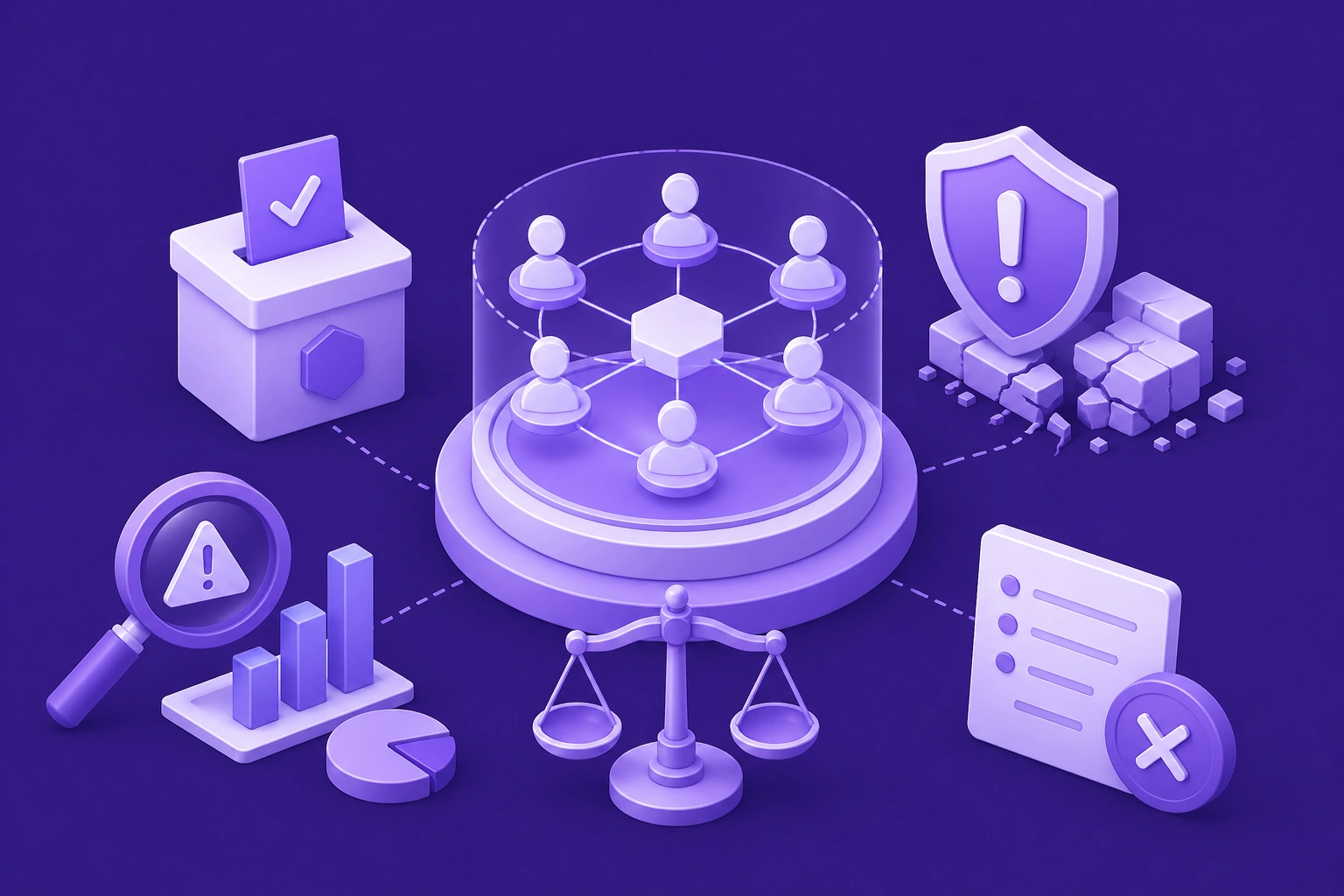
Smart contract vulnerabilities represent critical security risks within the limitations of dApps that expose users to potential financial losses without recourse or protection. Unlike traditional software where developers can deploy patches and security updates when vulnerabilities are discovered, smart contracts deployed on immutable blockchains cannot be modified after deployment. This permanence means that coding errors, logic flaws, or unforeseen attack vectors remain exploitable until contracts are abandoned or funds are migrated to new implementations. Historical incidents have resulted in hundreds of millions of dollars stolen through reentrancy attacks, flash loan exploits, oracle manipulations, and access control vulnerabilities.[2]
The responsibility for smart contract security falls entirely on users who must evaluate code quality and audit status before interacting with decentralized applications. Professional security audits by reputable firms provide some assurance, but audits represent point-in-time assessments that may miss subtle vulnerabilities or fail to account for complex interactions between multiple protocols. Additionally, audits cost tens of thousands to hundreds of thousands of dollars, making them impractical for smaller projects or experimental applications. Users often cannot distinguish between thoroughly audited, professionally built applications and hastily assembled projects with significant security risks.
Emerging security practices in blockchain dapp development company workflows include formal verification techniques that mathematically prove contract correctness, bug bounty programs incentivizing security researchers to discover vulnerabilities responsibly, and gradual rollouts with controlled value exposure. Time-locked administrative functions provide windows for community review before critical changes take effect, and circuit breakers can pause operations when anomalous activity is detected. Despite these improvements, the fundamental challenge remains that users bear ultimate responsibility for security risks without the consumer protections, insurance, or regulatory oversight available in traditional financial systems.
Real-World Example
In 2016, a vulnerability in a popular decentralized autonomous organization led to the theft of approximately $60 million worth of cryptocurrency. The exploit took advantage of a reentrancy flaw where the contract sent funds before updating internal balances, allowing attackers to drain the treasury repeatedly. This incident highlighted how smart contract vulnerabilities can result in catastrophic losses with permanent consequences for users.
Limited Customer Support in Decentralized Platforms
Limited customer support infrastructure constitutes one of the most frustrating dApp disadvantages for users accustomed to responsive assistance from traditional service providers. Decentralized applications by definition lack central authorities responsible for user support, dispute resolution, or account recovery. When users encounter transaction failures, lost funds due to incorrect addresses, or application bugs, they typically have no official support channel for assistance. Community forums, Discord servers, and documentation repositories become primary resources, but these rely on volunteer efforts rather than dedicated support teams with accountability metrics and service level agreements.
The absence of customer support particularly impacts new users navigating their first dApp interactions and encountering inevitable mistakes or confusion. Traditional platforms offer password recovery, transaction reversal for fraud, account lockout assistance, and personalized troubleshooting. Blockchain’s irreversible nature means that sending cryptocurrency to incorrect addresses results in permanent loss, smart contract interactions cannot be undone, and compromised private keys grant attackers irreversible control over assets. Users accustomed to safety nets provided by banks, payment processors, and centralized platforms face harsh consequences for errors without recourse or assistance.
Some projects address this limitation by implementing hybrid models combining decentralized technology with centralized support infrastructure. Companies operating dApp interfaces provide customer service for application-specific issues while maintaining transparency about limitations regarding blockchain-level problems. Knowledge bases, interactive tutorials, and AI-powered chatbots help users self-serve common issues without requiring human intervention. However, these solutions remain inconsistently implemented across the ecosystem, and the fundamental tension between decentralization principles and support infrastructure continues challenging mainstream adoption in markets like the USA, UK, UAE, and Canada where customer service expectations are high.
Regulatory Uncertainty Around Blockchain Applications
Regulatory uncertainty represents a significant challenge among limitations of decentralized applications that affects both users and builders navigating evolving legal frameworks across different jurisdictions. Blockchain technology and decentralized applications exist in regulatory gray areas where existing laws designed for centralized entities struggle to address distributed systems without clear ownership or control. Governments worldwide are developing cryptocurrency and blockchain regulations at different paces with varying approaches, creating compliance confusion for users engaging with global decentralized platforms that operate across borders without geographic restrictions.
Users in countries like the USA face complex tax reporting requirements where every cryptocurrency transaction may constitute a taxable event requiring detailed record-keeping. The UK has implemented specific regulations for cryptocurrency businesses while continuing to evaluate how existing financial services regulations apply to decentralized finance protocols. The UAE has positioned itself as a blockchain-friendly jurisdiction with regulatory frameworks encouraging innovation while maintaining consumer protections. Canada treats cryptocurrency as commodities subject to securities regulations depending on specific characteristics. This jurisdictional fragmentation means users must understand local laws while interacting with global applications, creating compliance burdens and legal uncertainty.
The regulatory landscape continues evolving as governments balance innovation encouragement with consumer protection, financial stability, and illicit activity prevention. Know Your Customer requirements increasingly apply to centralized cryptocurrency exchanges and services, creating friction for users valuing privacy and pseudonymity. Anti-money laundering regulations may extend to decentralized protocols, challenging the feasibility of truly permissionless systems. Users face uncertainty about whether current activities will remain legal under future regulations, creating hesitation around long-term commitments to decentralized ecosystems. Professional blockchain dapp development company teams monitor regulatory developments closely to ensure compliance while maintaining decentralization benefits where possible.
Regulatory Compliance Checklist for dApp Users
Tax Record Maintenance
Maintain detailed records of all transactions including dates, amounts, values, and purposes for accurate tax reporting in compliance with local jurisdictional requirements.
Jurisdictional Awareness
Understand cryptocurrency regulations in your country of residence and any jurisdictions where you conduct business or hold assets through decentralized platforms.
Platform Legitimacy Verification
Verify that decentralized platforms comply with applicable regulations and have appropriate licenses or registrations where required for legal operation.
Slow Transaction Speeds During Network Congestion
Slow transaction speeds during network congestion create frustrating experiences that exemplify core dApp challenges preventing mainstream adoption. Blockchain networks process transactions sequentially in blocks generated at fixed intervals, creating fundamental throughput limitations regardless of demand. When transaction submissions exceed network capacity, unconfirmed transactions queue in memory pools where they compete for inclusion in upcoming blocks. Users must increase fee bids to prioritize their transactions, creating auction dynamics where costs spike during peak usage periods and transaction confirmations become delayed and unpredictable.
The impact of network congestion extends beyond mere inconvenience to affect application usability and user trust fundamentally. Time-sensitive operations like trading during volatile markets, participating in limited NFT releases, or executing arbitrage opportunities become impractical when confirmation times stretch from seconds to minutes or hours. Applications requiring multiple sequential transactions experience compounding delays where each step must complete before subsequent operations can proceed. Users accustomed to instant Web2 experiences perceive these delays as application failures or bugs rather than inherent blockchain limitations.
Solutions addressing transaction speed limitations include layer-2 networks processing transactions off-chain with periodic settlement to base layers, alternative consensus mechanisms prioritizing speed over decentralization, and application design patterns minimizing required blockchain interactions. Optimistic rollups assume transaction validity and enable faster processing with fraud proofs for dispute resolution. Zero-knowledge rollups use cryptographic proofs to batch thousands of transactions into single on-chain commitments. However, these scaling solutions introduce complexity regarding network selection, cross-chain bridges, and liquidity fragmentation that create additional barriers for users navigating the decentralized ecosystem.
Interoperability Challenges Between Different Blockchains
Interoperability challenges between different blockchains fragment the user experience and limit the potential of decentralized applications to create seamless ecosystems. The blockchain landscape consists of numerous independent networks, each with unique consensus mechanisms, programming languages, token standards, and governance models. Assets and data on one blockchain cannot natively interact with different networks, creating isolated ecosystems where users must maintain separate wallets, bridge assets between chains, and learn distinct interfaces for each platform. This fragmentation contradicts the promised vision of a unified Web3 ecosystem.
Bridge protocols enable cross-chain asset transfers but introduce significant security risks and complexity that exemplify limitations of decentralized applications. Bridges typically rely on locked liquidity on source chains with wrapped representations minted on destination chains, creating centralization points vulnerable to exploitation. Major bridge hacks have resulted in hundreds of millions stolen when validators were compromised or smart contracts contained vulnerabilities. Users must trust bridge operators, understand wrapped asset mechanics, and navigate varying withdrawal timeframes ranging from minutes to days depending on bridge architecture and security models.
Emerging standards like cross-chain messaging protocols and universal liquidity layers attempt to address interoperability limitations by enabling direct communication between blockchain networks. These solutions allow applications to query data, transfer assets, and execute logic across multiple chains without trusted intermediaries. However, adoption remains limited, and users often must understand which networks support which protocols. The proliferation of layer-2 solutions, alternative layer-1 blockchains, and specialized application chains increases fragmentation even as individual network performance improves, creating ongoing challenges for dapp development teams building cross-chain applications.
Real-World Example
A user holds NFT artwork on Ethereum but wants to trade on a marketplace built on Polygon to avoid high gas fees. They must bridge their NFT between networks, paying fees on both chains, waiting for confirmations, and trusting the bridge protocol security. The wrapped NFT on Polygon may not be recognized by all platforms, limiting where it can be displayed or sold, creating friction that discourages cross-chain activity.
The Learning Curve for Non-Technical Users
The learning curve for non-technical users represents perhaps the most comprehensive barrier among what are the limitations of dApps, encompassing technical, conceptual, and practical knowledge requirements far exceeding typical software applications. Understanding decentralized applications requires grasping blockchain fundamentals including distributed consensus, cryptographic signatures, immutability, and tokenomics. Users must learn entirely new mental models around asset ownership where possession of private keys constitutes complete control without intermediaries or recovery mechanisms available in traditional systems.
Beyond conceptual understanding, why are dApps difficult for beginners becomes apparent in the practical skills required for basic usage. Users must navigate cryptocurrency exchanges to acquire tokens, understand network selection and RPC configuration for wallet connections, manage multiple addresses across different blockchains, interpret block explorers for transaction tracking, and evaluate smart contract permissions before approving interactions. Each dApp introduces domain-specific concepts like liquidity pools in decentralized exchanges, farming mechanics in DeFi protocols, or metadata standards in NFT marketplaces that demand additional learning investment.
Educational resources attempt to address this learning curve through tutorials, documentation, interactive guides, and community support channels. However, the rapid evolution of blockchain technology means that educational materials quickly become outdated, and best practices continually change. Users in markets like the USA, UK, UAE, and Canada with mature digital literacy still struggle with blockchain-specific concepts foreign to their Web2 experiences. Professional dApps for beginners increasingly implement progressive disclosure patterns that introduce complexity gradually, contextual help systems explaining concepts as needed, and simulation modes allowing risk-free practice before real transactions.
Essential Knowledge Areas for dApp Users
Blockchain Fundamentals
Understanding distributed ledgers, consensus mechanisms, transaction finality, and immutability principles underlying decentralized application functionality and security models.
Cryptographic Key Management
Managing private keys, recovery phrases, hardware wallets, and multi-signature setups while understanding security implications and recovery limitations inherent to blockchain systems.
Transaction Economics
Comprehending gas fees, transaction prioritization, network congestion impact, and cost optimization strategies across different blockchain networks and layer-2 solutions.
Smart Contract Interactions
Evaluating contract permissions, understanding approval mechanisms, recognizing potential security risks, and verifying contract authenticity before authorizing blockchain interactions.
Network & Protocol Selection
Choosing appropriate blockchain networks, understanding layer-2 options, comparing protocol features, and evaluating trade-offs between decentralization, speed, and cost.
Security Best Practices
Recognizing phishing attempts, verifying application authenticity, managing token approvals, and implementing security measures protecting against common attack vectors and scams.
How Modern dApp Development Is Solving These Limitations
Modern dapp development approaches increasingly prioritize user experience and accessibility to address the limitations preventing mainstream adoption. Progressive Web App technologies combined with blockchain backends create familiar interfaces hiding complexity while maintaining decentralization benefits. Account abstraction standards enable social recovery mechanisms, gas sponsorship, and batched transactions that simplify user experiences without compromising security. Many businesses choose to hire a dedicated software development team to implement these advanced features effectively. Major protocols implement gasless transactions where applications subsidize user fees, removing cost barriers for newcomers exploring decentralized ecosystems.
Layer-2 scaling solutions address performance and cost limitations through various technical approaches optimizing for different use cases. Optimistic rollups like Arbitrum and Optimism provide EVM compatibility enabling easy application migration while achieving significantly higher throughput and lower costs. Zero-knowledge rollups like zkSync and StarkNet use cryptographic proofs for transaction validity, enabling instant finality and enhanced privacy. Application-specific chains and sidechains allow customization of consensus parameters, governance models, and fee structures tailored to specific use cases rather than one-size-fits-all approaches.
User interface innovations focus on reducing friction and providing familiar interaction patterns adapted for blockchain constraints. Wallet connection flows incorporate educational tooltips explaining permission requests, transaction simulations preview outcomes before execution, and intelligent fee estimation removes manual gas configuration requirements. Applications implement undo functionality where possible through additional smart contract logic, provide comprehensive transaction history with natural language descriptions, and offer guided onboarding flows teaching blockchain concepts progressively through actual usage rather than upfront documentation.
Modern Solutions Addressing dApp Limitations
Account Abstraction
Smart contract wallets enable social recovery, session keys, and gas sponsorship, simplifying security without compromising control.
Layer-2 Scaling
Rollup technologies process transactions off-chain while inheriting main chain security, reducing costs and increasing speed.
Cross-Chain Bridges
Interoperability protocols enable asset transfers and communication between different blockchain networks seamlessly.
The Future of User-Friendly dApps in the Web3 Era
The future trajectory of decentralized applications points toward increasingly user-friendly experiences that abstract blockchain complexity while preserving core benefits of decentralization, transparency, and user ownership. Emerging technologies like zero-knowledge proofs enable privacy-preserving transactions without sacrificing verifiability, allowing applications to protect sensitive user data while maintaining public auditability. Decentralized identity solutions provide portable credentials usable across multiple platforms without revealing unnecessary personal information, creating privacy-respecting alternatives to centralized identity providers dominating current internet infrastructure.
Integration between traditional Web2 experiences and Web3 infrastructure creates hybrid models leveraging strengths of both paradigms. Applications use blockchain for critical functions requiring transparency and immutability while relying on traditional databases for features demanding high performance or frequent updates. Centralized interfaces to decentralized protocols provide familiar user experiences with customer support capabilities while maintaining option for users to interact directly with smart contracts. This pragmatic approach recognizes that full decentralization may not optimize every aspect of application design.
Mainstream adoption requires continued innovation addressing current limitations while educating users about blockchain benefits justifying added complexity. As infrastructure matures, best practices emerge, and tooling improves, the delta between Web2 and Web3 user experiences will narrow. Markets in the USA, UK, UAE, and Canada will likely lead adoption as regulatory frameworks clarify, institutional investment increases, and consumer awareness grows. The next generation of decentralized applications will succeed by meeting users where they are rather than demanding they acquire extensive blockchain knowledge as prerequisite for participation.
Also Read
Partner with Experienced Blockchain Specialists
Our team brings over 8 years of expertise in building user-friendly decentralized applications that overcome traditional dApp limitations while maintaining security and decentralization benefits.
Final Thoughts
Understanding the limitations of dApps provides essential context for both users considering adoption and organizations planning blockchain implementations. While decentralized applications offer revolutionary benefits including data ownership, censorship resistance, and transparent operations, they introduce significant challenges that currently prevent mainstream adoption. Complex wallet setup requirements, unpredictable transaction costs, poor user interface design, scalability constraints, security vulnerabilities, limited customer support, regulatory uncertainty, and steep learning curves create substantial barriers particularly for non-technical users in major markets like the USA, UK, UAE, and Canada.
However, the blockchain ecosystem continues evolving rapidly with innovative solutions addressing these limitations through technological advancement and improved design practices. Layer-2 scaling solutions dramatically improve performance and reduce costs, account abstraction simplifies security management, enhanced user interfaces hide complexity while maintaining transparency, and regulatory frameworks gradually provide clarity. Organizations with deep experience in blockchain dapp development company services recognize that successful dApp implementation requires balancing decentralization ideals with practical usability requirements. The future of decentralized applications lies in meeting users where they are, providing familiar experiences adapted for blockchain constraints, and educating participants about unique benefits justifying additional complexity compared to traditional centralized alternatives.
Frequently Asked Questions
Q1.What are the main limitations of dApps for beginners?
The primary limitations of decentralized applications for newcomers include complex wallet setup processes, unfamiliar private key management requirements, and non-intuitive user interfaces. Unlike traditional apps, dApps require users to understand blockchain fundamentals, manage cryptographic keys, and navigate technical terminology. New users often struggle with transaction fees that fluctuate unpredictably, lack of customer support when issues arise, and the irreversible nature of blockchain transactions. These barriers create significant friction for mainstream adoption, particularly in markets like the USA, UK, and Canada where users expect seamless digital experiences similar to centralized applications they use daily.
Q2.Why are gas fees a major challenge for dApp users?
Gas fees represent one of the most significant challenges facing dApp adoption because they introduce unpredictable costs that can fluctuate dramatically based on network congestion. During peak usage periods on networks like Ethereum, transaction costs can exceed the actual value being transferred, making small transactions economically unviable. New users find it difficult to estimate fees accurately, leading to failed transactions or unexpectedly high costs. Unlike traditional applications with fixed or transparent pricing structures, blockchain gas fees vary by network demand, smart contract complexity, and transaction priority. This unpredictability creates frustration and financial uncertainty, particularly for users in emerging markets or those testing dApps for the first time.
Q3.How do wallet setup difficulties impact dApp accessibility?
Wallet setup difficulties create a substantial barrier to entry for new dApp users because the process requires understanding complex security concepts foreign to traditional app experiences. Users must securely store recovery phrases, manage private keys, distinguish between different wallet types, and understand the irreversible consequences of losing access credentials. This technical overhead intimidates non-technical users who are accustomed to password recovery options and centralized account management. The risk of permanent fund loss due to mismanaged keys creates anxiety that prevents many potential users from engaging with decentralized applications. Additionally, the proliferation of different wallet standards and blockchain networks adds confusion about compatibility and interoperability.
Q4.What usability problems do dApps commonly face?
Common dApp usability problems include counter-intuitive navigation, technical jargon-heavy interfaces, slow transaction confirmations, and lack of familiar user experience patterns. Many decentralized applications prioritize functionality over user-friendly design, resulting in interfaces that confuse mainstream users. Transaction processes often require multiple steps with confirmation delays, contrasting sharply with the instant feedback users expect from Web2 applications. Error messages frequently display technical blockchain details rather than actionable guidance, leaving users uncertain about how to resolve issues. The absence of standardized design patterns across different dApps means users must relearn interfaces for each new application, creating unnecessary cognitive load and reducing overall adoption rates.
Q5.How do smart contract vulnerabilities affect dApp security?
Smart contract vulnerabilities pose critical security risks because once deployed on the blockchain, contract code becomes immutable and any flaws can be exploited by malicious actors. Unlike traditional applications where developers can quickly patch security issues, blockchain-based contracts require extensive pre-deployment auditing and testing. Historical incidents have resulted in millions of dollars lost due to coding errors, logic flaws, and unforeseen attack vectors. Users bear the ultimate risk because decentralized platforms typically lack the centralized authority to reverse fraudulent transactions or compensate victims. This security model demands that users trust the code quality and audit processes, creating additional barriers for those unfamiliar with blockchain technology and smart contract security best practices.
Q6.Why is customer support limited in decentralized platforms?
Decentralized platforms inherently lack traditional customer support infrastructure because there is no central authority responsible for user assistance or dispute resolution. This structural limitation stems from the core blockchain principle of removing intermediaries and distributing control. When users encounter problems with transactions, lost funds, or application errors, they often have no official support channel for help. Community forums and documentation become the primary resources, which may not provide timely or accurate assistance for urgent issues. The absence of customer service representatives who can reverse transactions, recover accounts, or provide personalized troubleshooting creates significant anxiety for users accustomed to the safety nets provided by centralized services in traditional digital ecosystems.
Q7.What challenges does regulatory uncertainty create for dApp users?
Regulatory uncertainty creates significant challenges for dApp users because the legal status of blockchain applications varies dramatically across jurisdictions, creating compliance confusion and potential legal risks. Users in countries like the UAE, USA, UK, and Canada face different regulatory frameworks that may classify decentralized applications differently, affecting tax obligations, reporting requirements, and legal protections. The evolving nature of blockchain regulation means that applications operating legally today might face restrictions tomorrow, putting user investments and data at risk. Additionally, the borderless nature of blockchain conflicts with jurisdiction-specific regulations, making it unclear which laws apply to cross-border transactions. This uncertainty discourages institutional adoption and creates hesitation among individual users concerned about inadvertently violating regulations they don’t fully understand.
Explore Services
Related Services
Reviewed by

Aman Vaths
Founder of Nadcab Labs
Aman Vaths is the Founder & CTO of Nadcab Labs, a global digital engineering company delivering enterprise-grade solutions across AI, Web3, Blockchain, Big Data, Cloud, Cybersecurity, and Modern Application Development. With deep technical leadership and product innovation experience, Aman has positioned Nadcab Labs as one of the most advanced engineering companies driving the next era of intelligent, secure, and scalable software systems. Under his leadership, Nadcab Labs has built 2,000+ global projects across sectors including fintech, banking, healthcare, real estate, logistics, gaming, manufacturing, and next-generation DePIN networks. Aman’s strength lies in architecting high-performance systems, end-to-end platform engineering, and designing enterprise solutions that operate at global scale.