Ai Overview
While Layer 1 (Bitcoin, Ethereum) and Layer 2 (Lightning Network, Optimism) dominate blockchain discussions, there’s a foundational layer that makes true interoperability possible—Layer 0. This infrastructure layer is the glue binding the entire blockchain ecosystem together. Layer 0 Blockchain enables multiple blockchains to communicate with each other. Think of it as the glue binding everything together, allowing networks like Ethereum and Bitcoin to exchange data effortlessly.
KEY TAKEAWAYS
Layer 0 Blockchain: The Foundation of Cross-Chain Communication
While Layer 1 (Bitcoin, Ethereum) and Layer 2 (Lightning Network, Optimism) dominate blockchain discussions, there’s a foundational layer that makes true interoperability possible—Layer 0. This infrastructure layer is the glue binding the entire blockchain ecosystem together.
What is Layer 0?
Layer 0 Blockchain enables multiple blockchains to communicate with each other. Think of it as the glue binding everything together, allowing networks like Ethereum and Bitcoin to exchange data effortlessly.
Layer 0 Blockchain Development focuses on building this foundational infrastructure, enabling seamless interoperability and scalability across various blockchain networks without requiring each chain to build custom bridges.
Why Does Layer 0 Matter?
Layer 0 ensures multiple blockchains work together seamlessly. It delivers three critical capabilities that isolated blockchains cannot achieve independently:
| Core Benefit | What It Enables |
|---|---|
| Shared Security | Connected chains inherit security from the entire network, reducing attack vectors |
| Horizontal Scalability | Add new chains to handle demand without congesting existing networks |
| Cross-Chain Interoperability | Native asset and data transfers between different blockchain protocols |
How Does Layer 0 Work?
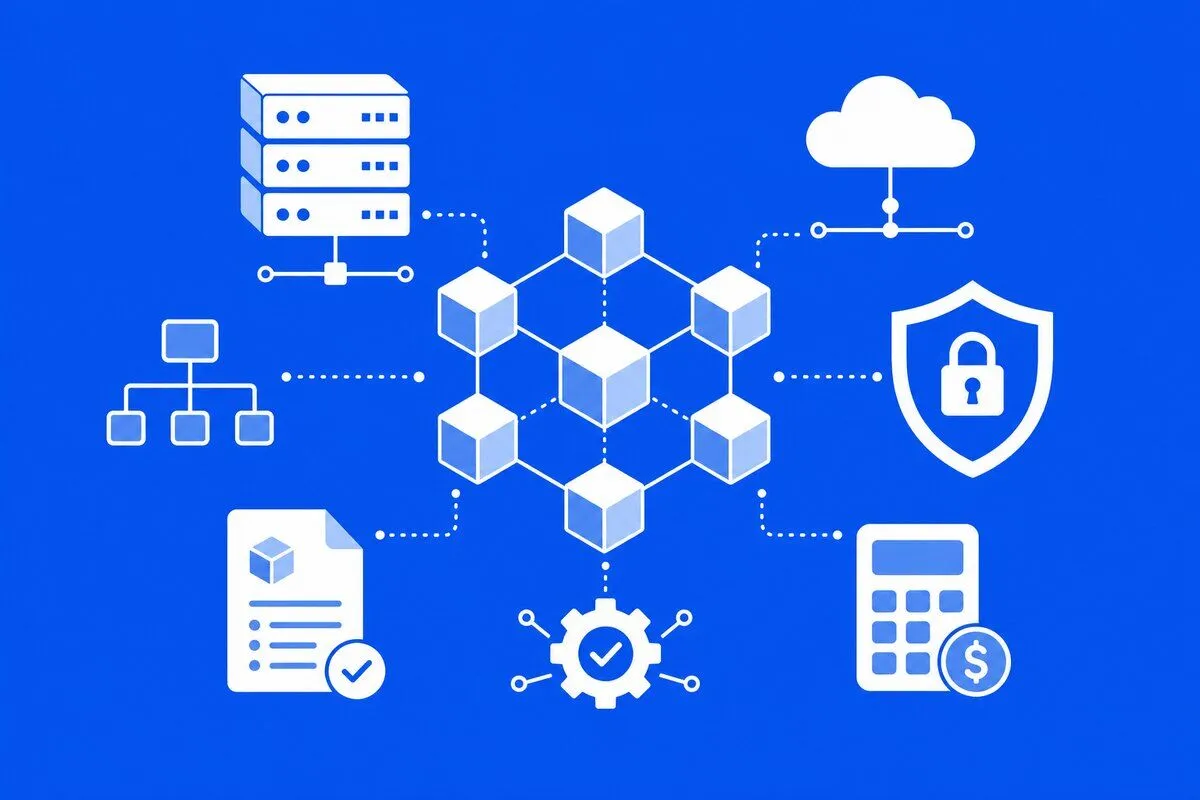
Layer 0 functions as a universal translator for blockchains, ensuring different networks understand each other’s protocols and collaborate effectively. Layer 0 Blockchain Solutions provide:
- Relay Chains: Central coordination layers that validate cross-chain messages
- Shared Validators: Consensus participants securing multiple connected chains
- Standardized Protocols: Common messaging formats enabling seamless communication
- Bridge Infrastructure: Native connections eliminating third-party bridge risks
Blockchain Layer Architecture
Understanding where Layer 0 fits in the blockchain stack clarifies its foundational importance:
| Layer | Function | Examples |
|---|---|---|
| Layer 0 | Cross-chain infrastructure & interoperability | Polkadot, Cosmos, Avalanche |
| Layer 1 | Base blockchain protocols & consensus | Bitcoin, Ethereum, Solana, TON |
| Layer 2 | Scaling solutions & transaction throughput | Lightning, Optimism, Arbitrum, zkSync |
| Layer 3 | Application layer & dApps | Uniswap, OpenSea, Aave, Compound |
Key Benefits of Layer 0
True Interoperability
Different blockchains share data natively without relying on vulnerable third-party bridges. Projects like Polkadot (XCM) and Cosmos (IBC) have proven this works at scale.
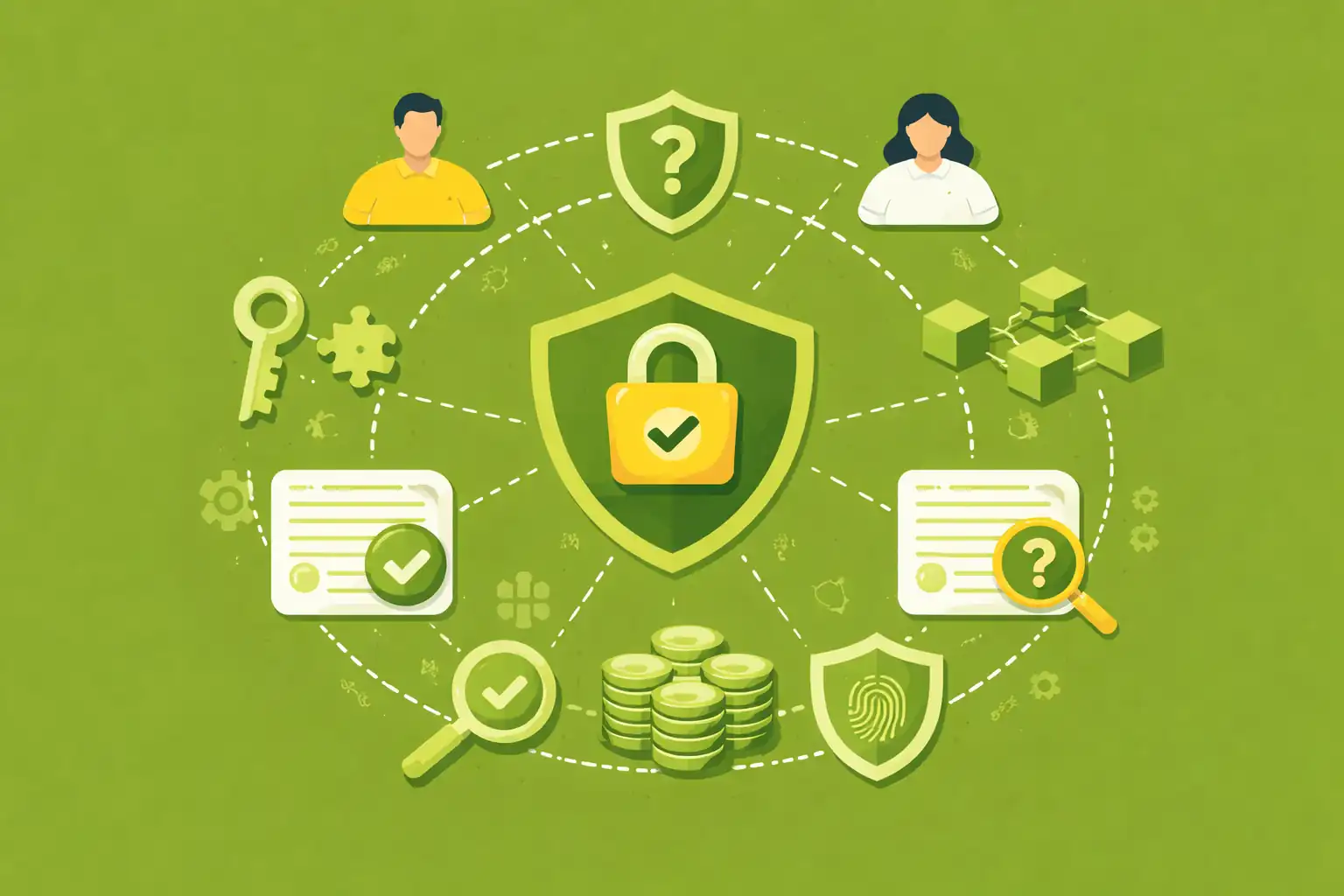
Inherited Security
New chains don’t need to bootstrap their own validator sets. They inherit security from the parent relay chain, dramatically reducing launch costs and attack risks.
Developer Flexibility
Build custom blockchains with specific features (governance, consensus, tokenomics) while maintaining connectivity to the broader ecosystem.
Ecosystem Composability
Applications on different chains can interact directly, enabling cross-chain DeFi, NFT transfers, and unified user experiences.
Leading Layer 0 Projects
These Layer 0 implementations are already powering multi-chain ecosystems, making life easier for Blockchain Developers and users alike:
| Project | Architecture | Key Innovation |
|---|---|---|
| Polkadot | Relay chain + Parachains | Shared security via slot auctions |
| Cosmos | Hub + Zones with IBC | Inter-Blockchain Communication protocol |
| Avalanche | Primary network + Subnets | Custom VM support with shared validators |
The Future of Layer 0
As blockchain adoption accelerates, Layer 0 becomes increasingly critical. The future points toward:
- Enterprise Adoption: Businesses deploying private chains connected to public ecosystems
- Cross-Industry Collaboration: Supply chain, healthcare, and finance networks communicating natively
- Unified User Experience: Users interacting with multiple chains through single interfaces
- Regulatory Compliance: Compliant zones connecting to permissionless networks
Ready to Build on Layer 0?
Whether you’re exploring Polkadot parachains, Cosmos zones, or Avalanche subnets, Layer 0 infrastructure opens new possibilities for cross-chain applications. The future of blockchain is interconnected—and Layer 0 makes it possible.
FREQUENTLY ASKED QUESTIONS
Q1.What is the difference between Layer 0, Layer 1, and Layer 2?
Layer 0 is the foundational infrastructure enabling communication between multiple blockchains (Polkadot, Cosmos). Layer 1 refers to base blockchain protocols with their own consensus mechanisms (Bitcoin, Ethereum, Solana). Layer 2 consists of scaling solutions built on top of Layer 1 to improve transaction speed and reduce costs (Lightning Network, Optimism, Arbitrum). Think of Layer 0 as the internet backbone, Layer 1 as individual websites, and Layer 2 as CDNs that make websites faster.
Q2.Why is Layer 0 important for blockchain interoperability?
Layer 0 eliminates the need for third-party bridges, which have historically been major security vulnerabilities (over $2B lost to bridge hacks). It provides native cross-chain communication through standardized protocols like Cosmos IBC or Polkadot XCM. This enables seamless asset transfers, cross-chain smart contract calls, and unified liquidity across multiple networks without trusting intermediaries.
Q3.What are the main Layer 0 blockchain projects?
The leading Layer 0 implementations are:
- Polkadot: Uses relay chain architecture with parachains, offering shared security through slot auctions
- Cosmos: Hub-and-zone model with Inter-Blockchain Communication (IBC) protocol enabling sovereign chains
- Avalanche: Subnet architecture allowing custom blockchain networks with flexible validator requirements
Q4.How does Layer 0 provide shared security?
In Layer 0 ecosystems like Polkadot, connected chains (parachains) don’t need to bootstrap their own validator sets. Instead, they inherit security from the relay chain’s validators. This means a new blockchain can launch with enterprise-grade security from day one without spending millions on validator incentives. Cosmos takes a different approach—chains maintain sovereignty but can opt into Interchain Security to borrow validators from the Cosmos Hub.
Q5.Should I build my dApp on Layer 0, Layer 1, or Layer 2?
It depends on your requirements:
- Choose Layer 0 if you need a custom blockchain with specific features (governance, tokenomics) while connecting to other chains
- Choose Layer 1 if you want maximum decentralization and don’t need cross-chain features immediately
- Choose Layer 2 if you’re building on Ethereum and need lower fees with existing ecosystem liquidity
Explore Services
Related Services
Reviewed by

Aman Vaths
Founder of Nadcab Labs
Aman Vaths is the Founder & CTO of Nadcab Labs, a global digital engineering company delivering enterprise-grade solutions across AI, Web3, Blockchain, Big Data, Cloud, Cybersecurity, and Modern Application Development. With deep technical leadership and product innovation experience, Aman has positioned Nadcab Labs as one of the most advanced engineering companies driving the next era of intelligent, secure, and scalable software systems. Under his leadership, Nadcab Labs has built 2,000+ global projects across sectors including fintech, banking, healthcare, real estate, logistics, gaming, manufacturing, and next-generation DePIN networks. Aman’s strength lies in architecting high-performance systems, end-to-end platform engineering, and designing enterprise solutions that operate at global scale.