Ai Overview
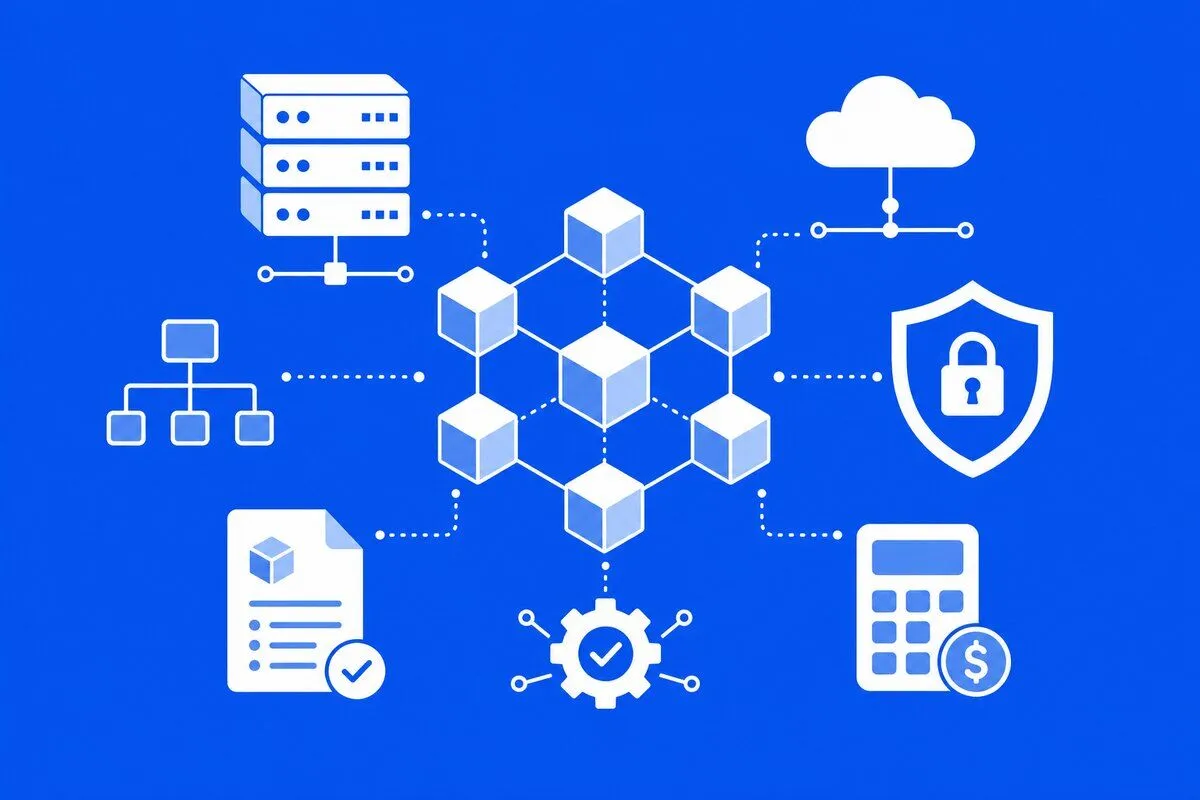
A blockchain dividend contract is a smart contract deployed on a blockchain that automatically calculates and distributes profits (dividends) to token holders. Instead of a company manually processing payments through banks and brokers, the smart contract handles everything based on rules written into its code. You insert your participation (by holding tokens), and the machine (smart contract) automatically delivers your share of profits.
Key Takeaways
- ✔ Blockchain dividend contracts use smart contracts to automate profit distribution, eliminating the need for intermediaries.
- ✔ Tokenized dividend systems allow companies to distribute profits in real time based on each holder’s share of tokens.
- ✔ DeFi integration is enabling dividend contracts to participate in lending, staking, and liquidity provision simultaneously.
- ✔ Cross chain compatibility is making it possible to receive dividends across multiple blockchain networks seamlessly.
- ✔ Real time settlement powered by blockchain is reducing dividend payout times from weeks to seconds.
- ✔ AI powered smart contracts are enabling dynamic dividend calculations based on market conditions and performance data.
- ✔ Enhanced transparency through public ledger records builds trust and allows investors to verify every transaction independently.
- ✔ Customizable distribution rules let companies tailor dividends based on criteria like holding period, token amount, or loyalty.
- ✔ Regulatory frameworks are evolving to accommodate blockchain based dividend systems, making adoption easier for enterprises.
- ✔ Blockchain development partners like Nadcab Labs help startups and enterprises build, audit, and deploy secure dividend smart contracts.
The way companies distribute profits is undergoing a massive transformation. Blockchain dividend contracts are replacing outdated manual systems with smart, automated, and transparent solutions that benefit both businesses and investors. If you have ever received a dividend payment and wondered why it took so long or how the amount was calculated, this new wave of technology has the answers.
At the core of this innovation are smart contracts: self executing programs that live on the blockchain and follow predefined rules to distribute dividends automatically. There are no middlemen, no delays, and no hidden calculations. In this article, we explore the 6 top trends in blockchain dividend contracts that every investor, startup founder, and finance professional should know about in 2025 and beyond.
Whether you are building a token based project, investing in DeFi platforms, or simply curious about how blockchain is transforming corporate finance, this guide provides a clear and comprehensive breakdown of what is happening right now.
What Is a Blockchain Dividend Contract?
A blockchain dividend contract is a smart contract deployed on a blockchain that automatically calculates and distributes profits (dividends) to token holders. Instead of a company manually processing payments through banks and brokers, the smart contract handles everything based on rules written into its code.
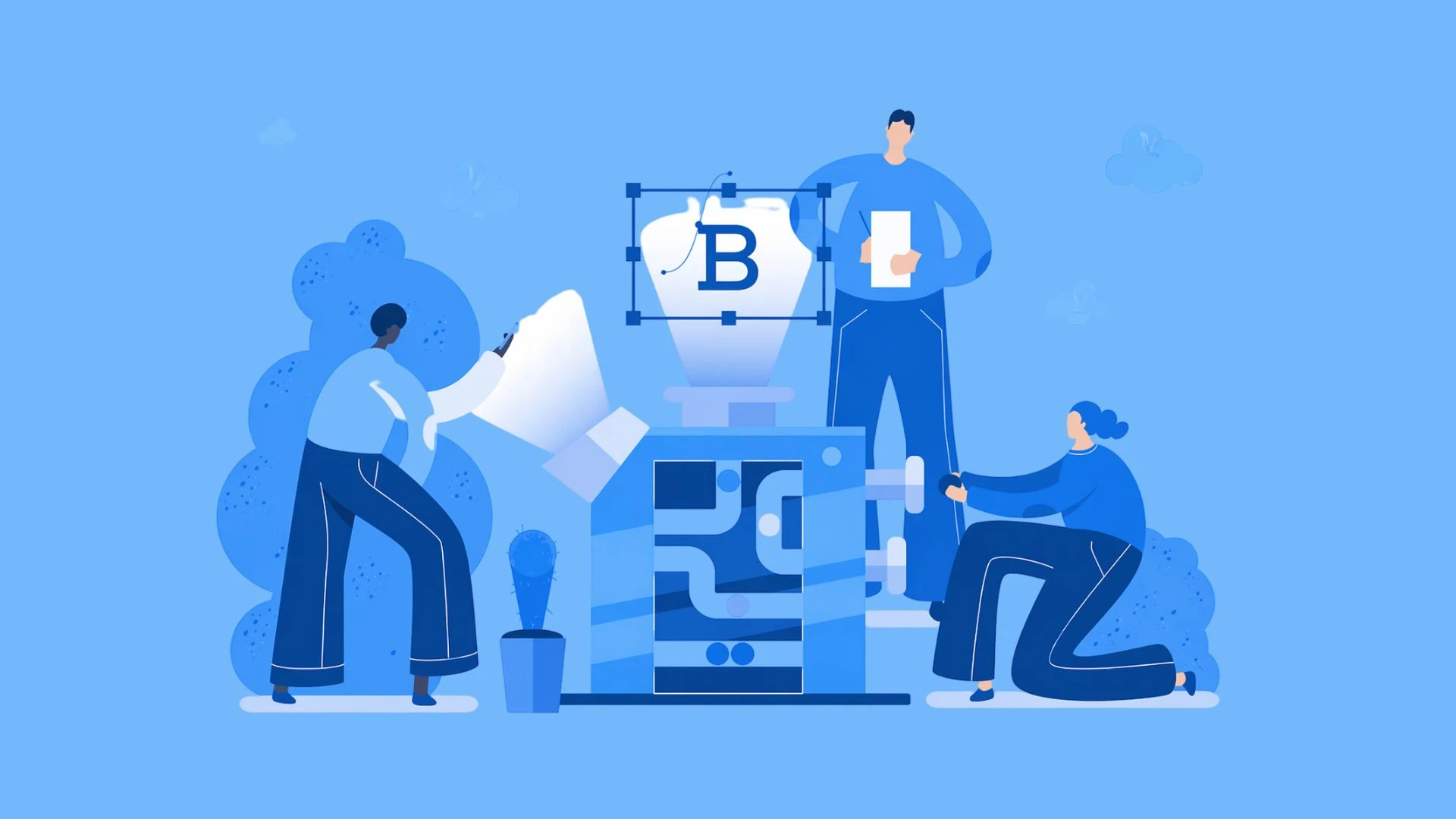
Think of it like a vending machine for dividends. You insert your participation (by holding tokens), and the machine (smart contract) automatically delivers your share of profits. There is no cashier needed, no waiting in line, and no chance of someone miscounting your change.
These contracts are transparent because every transaction is recorded on the blockchain’s public ledger. They are efficient because they operate without human intervention. And they are secure because tampering with a deployed smart contract is extremely difficult.
How a Blockchain Dividend Contract Works
Why Blockchain Dividend Contracts Matter Now
Traditional dividend distribution is slow, expensive, and opaque. A publicly traded company may declare a dividend, but the actual payment can take days or even weeks to reach shareholders. Along the way, banks, brokers, clearinghouses, and registrars all take their cut and introduce delays.
Blockchain dividend contracts solve these problems by removing intermediaries entirely. The smart contract knows exactly who holds tokens, how many they hold, and when dividends should be paid. The moment conditions are met, the payments go out automatically.
This rapid growth in blockchain adoption is directly fueling innovation in dividend contracts. More companies, DAOs, and DeFi platforms are adopting this approach to streamline profit sharing and build investor trust.
Automated Smart Contract Dividend Distribution
The first and most impactful trend is the automation of dividend payments through smart contracts. In a traditional setup, dividend distribution involves multiple departments, audits, payment processors, and manual approvals. A blockchain dividend contract eliminates all of this.
Once the smart contract is deployed and funded, it automatically identifies all eligible token holders, calculates each holder’s proportional share, and sends the payment directly to their wallet. The entire process happens without any human intervention.
For example, if a company generates $100,000 in quarterly profit and has 1,000,000 tokens in circulation, the smart contract divides $100,000 by 1,000,000 and sends $0.10 per token to every wallet holding those tokens. If you hold 5,000 tokens, you receive $500 automatically.
Real World Application: Several DeFi protocols already use automated dividend smart contracts for revenue sharing. Token holders of decentralized exchanges like SushiSwap earn a portion of trading fees distributed automatically through smart contracts.
Enhanced Transparency Through Public Ledger Tracking
One of the biggest complaints investors have with traditional dividends is the lack of visibility. You receive a payment, but you cannot easily verify how it was calculated, where the funds came from, or whether everyone received their fair share.
Blockchain changes this completely. Every single dividend transaction is recorded on a public ledger that anyone can inspect. You can trace the exact amount deposited by the company, the calculation logic in the smart contract code, and the individual payouts to each wallet.
This level of transparency builds enormous trust between companies and their investors. There is no room for manipulation or hidden fees because everything is visible on chain. According to Ethereum.org, smart contracts execute exactly as programmed, and their results can be verified by anyone on the network.
- ❌ Opaque calculation process
- ❌ Multiple intermediaries involved
- ❌ Days or weeks for settlement
- ❌ Hidden administrative fees
- ❌ Difficult to audit independently
- ✅ Fully transparent on chain
- ✅ Zero intermediaries needed
- ✅ Settlement in seconds
- ✅ No hidden fees
- ✅ Anyone can verify anytime
Tokenized Dividend Rights and Fractional Ownership
Tokenization is transforming how dividend rights are represented and traded. Companies are now issuing tokens that represent ownership and dividend rights, allowing investors to buy, sell, and trade these rights on decentralized platforms.
This trend also enables fractional ownership. Instead of needing thousands of dollars to buy a full share of a high value stock, an investor can purchase a fraction of a token and receive a proportional fraction of the dividend. This democratizes access to profit sharing in a way that was previously impossible.
For instance, a real estate company could tokenize a property worth $10 million into 10 million tokens priced at $1 each. Rental income from the property is distributed as dividends through a smart contract. An investor holding 100 tokens would automatically receive their 0.001% share of the rental profits every month.
Tokenized Dividend Rights Flow
Market Insight: According to Boston Consulting Group and ADDX, global asset tokenization is projected to reach $16.1 trillion by 2030. Dividend contracts will be a core component of this tokenized economy.
Real Time Settlement and Instant Dividend Payments
In traditional finance, dividend settlement can take anywhere from T+2 (two business days after the record date) to several weeks for international payments. This delay is caused by the multiple layers of verification, reconciliation, and settlement required across different financial institutions.
Blockchain technology enables near instant settlement. When a smart contract triggers a dividend distribution, the funds arrive in the holder’s wallet within seconds or minutes, regardless of where in the world that wallet is located. There is no need for bank wires, SWIFT transfers, or currency conversions.
This improvement in liquidity is particularly significant for investors who rely on dividend income. Faster access to funds means better cash flow management, quicker reinvestment opportunities, and reduced counterparty risk.
Settlement Speed Comparison
| Method | Settlement Time | Intermediaries | Cost |
|---|---|---|---|
| Traditional Bank | 2 to 14 business days | Banks, brokers, clearinghouses | High (fees at each layer) |
| Digital Payment | 1 to 3 business days | Payment processors | Medium |
| Blockchain Smart Contract | Seconds to minutes | None | Minimal (gas fees only) |
Customizable Dividend Distribution Rules
Smart contracts offer unmatched flexibility when it comes to designing dividend distribution rules. Unlike traditional systems where dividend policies are rigid and uniform, blockchain dividend contracts can be programmed with highly specific conditions and criteria.
Companies can create rules such as:
- ▸ Holding Period Bonuses: Reward long term holders with a higher dividend percentage. For example, holders who keep tokens for more than 90 days receive 15% more dividends than those who just bought in.
- ▸ Tiered Distribution: Different dividend rates based on token balance. Larger holders might get a slightly different rate than smaller holders.
- ▸ Performance Based Triggers: Dividends are only distributed when the project hits certain revenue milestones or KPIs.
- ▸ Reinvestment Options: Holders can choose to automatically reinvest their dividends back into the token, compounding their position over time.
- ▸ Vesting Schedules: Dividend rights that unlock gradually, encouraging sustained participation in the ecosystem.
⚙ Smart Contract Decision Logic Example
Builder’s Note: This is where partnering with experienced blockchain developers becomes critical. Nadcab Labs specializes in designing and auditing custom smart contract logic for dividend systems, ensuring that rule based distributions work flawlessly across edge cases and at scale.
DeFi Integration and Yield Optimized Dividend Ecosystems
The sixth and perhaps most forward looking trend is the integration of blockchain dividend contracts into the broader DeFi ecosystem. Dividend tokens are no longer just passive income instruments. They are becoming composable building blocks in decentralized finance.
Here is what this looks like in practice:
- ▸ Dividend Tokens as Collateral: Holders can use their dividend earning tokens as collateral in DeFi lending protocols, borrowing against their position while still earning dividends.
- ▸ Yield Stacking: Investors can stake dividend tokens in liquidity pools to earn additional trading fees on top of their regular dividends.
- ▸ Cross Protocol Composability: Dividend contracts can interact with other smart contracts across multiple DeFi protocols, creating complex but highly profitable investment strategies.
- ▸ Automated Reinvestment: Smart contracts can automatically convert dividend payouts into additional tokens or different assets based on the holder’s preferences.
This integration represents a fundamental shift from “receive dividends and hold” to “receive dividends and put them to work.” According to Binance Academy, the composability of DeFi protocols allows different financial services to interact seamlessly, creating entirely new financial products that were not possible in traditional finance.
DeFi Dividend Ecosystem
Dividend Contract
Lending Protocol
Liquidity Pool
Governance DAO
Yield Optimizer
All connected through composable smart contracts on the blockchain
All 6 Trends at a Glance
| # | Trend | Key Benefit | Impact Level |
|---|---|---|---|
| 01 | Automated Smart Contract Distribution | Eliminates manual processing | ⭐⭐⭐⭐⭐ |
| 02 | Public Ledger Transparency | Builds investor trust | ⭐⭐⭐⭐⭐ |
| 03 | Tokenized Dividend Rights | Enables fractional ownership | ⭐⭐⭐⭐ |
| 04 | Real Time Settlement | Payments in seconds | ⭐⭐⭐⭐ |
| 05 | Customizable Distribution Rules | Flexible, rule based payouts | ⭐⭐⭐⭐⭐ |
| 06 | DeFi Integration | Creates yield optimized ecosystems | ⭐⭐⭐⭐⭐ |
Benefits of Using Blockchain Dividend Contracts
Dividends are distributed in seconds instead of days or weeks, improving cash flow for investors.
Tamper proof execution on the blockchain ensures dividends cannot be altered or withheld.
Every transaction is publicly recorded and auditable, building lasting investor confidence.
Eliminates intermediary fees from banks, brokers, and payment processors.
Anyone with a crypto wallet can receive dividends regardless of geography or banking status.
Custom rules and conditions can be coded directly into the distribution logic.
Challenges and Risks to Consider
Despite their advantages, blockchain dividend contracts are not without challenges. Here are the key risks every participant should be aware of.
- ▸ Smart Contract Vulnerabilities: Bugs or exploits in the contract code can lead to loss of funds. Thorough auditing by experienced security firms is essential before deployment.
- ▸ Regulatory Uncertainty: The legal classification of tokenized dividends varies across jurisdictions. What is compliant in one country may not be in another.
- ▸ Gas Fee Fluctuations: On networks like Ethereum, gas fees can spike during periods of high demand, making dividend distributions more expensive than expected.
- ▸ Token Price Volatility: Dividends paid in tokens may lose value if the token price drops significantly, affecting the real world value of the payout.
- ▸ Adoption Barrier: Many traditional investors are not yet familiar with wallets, tokens, and blockchain interfaces, which can limit participation.
- ▸ Irreversibility: Blockchain transactions cannot be reversed. If a dividend is sent to a wrong address due to a code error, recovery is extremely difficult.
Industry Relevance: Who Should Care About These Trends?
Blockchain dividend contracts are relevant to a wide range of industries and stakeholders.
- ▸ Startup Founders: Launching a token with built in dividend mechanics can attract early investors and create strong community engagement.
- ▸ DeFi Developers: Building composable dividend contracts opens up new protocol design possibilities and revenue sharing models.
- ▸ Real Estate Companies: Property tokenization combined with dividend contracts creates transparent, automated rental income distribution.
- ▸ Enterprise Finance Teams: Large organizations can use blockchain dividend contracts to streamline shareholder payments and reduce compliance costs.
- ▸ Investment DAOs: Decentralized investment groups can use these contracts to automatically distribute returns to all members based on contribution.
Organizations like Nadcab Labs are at the forefront of helping these stakeholders design, build, test, and deploy dividend smart contracts tailored to their specific business needs. Their end to end blockchain development services cover everything from initial tokenomics consultation to smart contract auditing and mainnet deployment.
Future Outlook: What Comes Next?
The evolution of blockchain dividend contracts is just beginning. Here are some developments to watch in the coming years.
- ▸ AI Powered Smart Contracts: Artificial intelligence will enable dividend contracts to dynamically adjust distribution logic based on real time market conditions, company performance data, and predictive analytics.
- ▸ Cross Chain Dividend Portability: Future protocols will allow dividend rights to be recognized and honored across multiple blockchain networks seamlessly.
- ▸ Regulatory Standardization: As more governments establish clear guidelines for tokenized securities and dividends, enterprise adoption will accelerate significantly.
- ▸ Institutional Adoption: Major financial institutions are expected to tokenize traditional equity dividends on blockchain, bridging the gap between TradFi and DeFi.
- ▸ Privacy Preserving Dividends: Zero knowledge proof technology will enable dividend distributions that verify eligibility without revealing sensitive holder information.
Launch Your Blockchain Dividend Contract with Nadcab Labs
From custom smart contract design and security auditing to full deployment and DeFi integration, Nadcab Labs offers end to end blockchain development services trusted by startups and enterprises worldwide. Let our expert team help you build a secure, scalable, and compliant dividend distribution system.
Final Thoughts
Blockchain dividend contracts are not a future concept. They are here today, transforming how profits are distributed, tracked, and optimized. The six trends we explored, from automated distribution and public ledger transparency to tokenized rights, real time settlement, customizable rules, and DeFi integration, represent a fundamental shift in corporate finance and investor relations.
For startups building token based economies, these trends offer powerful tools to attract and retain investors. For enterprises, they provide a path to more efficient, transparent, and cost effective profit sharing. And for investors, they promise faster access to funds, verifiable records, and new ways to compound their returns.
As the blockchain ecosystem matures and regulatory frameworks become clearer, we can expect blockchain dividend contracts to become a standard feature of modern financial infrastructure. If you are looking to build, implement, or improve a dividend distribution system on the blockchain, working with a trusted development partner like Nadcab Labs ensures your solution is secure, scalable, and designed for real world impact.
Frequently Asked Questions
Q1.Can blockchain dividend contracts work with traditional company shares?
Q2.Which blockchain is best for deploying dividend smart contracts?
Ethereum is the most widely used platform due to its mature ecosystem and extensive developer tools. However, networks like Binance Smart Chain, Polygon, and Solana are gaining popularity because they offer lower transaction fees and faster confirmation times. The best choice depends on your project’s specific requirements for scalability, cost, and ecosystem support.
Q3.How much does it cost to deploy a dividend smart contract?
The cost varies based on blockchain network, contract complexity, and current gas fees. On Ethereum, deploying a basic dividend contract can cost anywhere from $50 to $500 in gas fees. On layer 2 networks or chains like Polygon, the deployment cost can be as low as a few cents. Development and auditing costs are separate and depend on the complexity of your custom logic.
Q4.Can dividend smart contracts be updated after deployment?
Standard smart contracts are immutable once deployed. However, developers can use upgradeable proxy patterns that allow the logic to be updated while preserving the contract’s state and address. This approach requires careful governance controls and is typically recommended for enterprise grade implementations.
Q5.Are blockchain dividends taxable?
In most jurisdictions, yes. Dividends received through smart contracts are generally treated as taxable income, similar to traditional dividends. The specific tax treatment depends on your country’s regulations. It is recommended to consult a crypto tax professional and use blockchain analytics tools to track your dividend receipts for accurate reporting.
Q6.What happens if the company runs out of funds in the smart contract?
Explore Services
Related Services
Reviewed by

Aman Vaths
Founder of Nadcab Labs
Aman Vaths is the Founder & CTO of Nadcab Labs, a global digital engineering company delivering enterprise-grade solutions across AI, Web3, Blockchain, Big Data, Cloud, Cybersecurity, and Modern Application Development. With deep technical leadership and product innovation experience, Aman has positioned Nadcab Labs as one of the most advanced engineering companies driving the next era of intelligent, secure, and scalable software systems. Under his leadership, Nadcab Labs has built 2,000+ global projects across sectors including fintech, banking, healthcare, real estate, logistics, gaming, manufacturing, and next-generation DePIN networks. Aman’s strength lies in architecting high-performance systems, end-to-end platform engineering, and designing enterprise solutions that operate at global scale.