Ai Overview
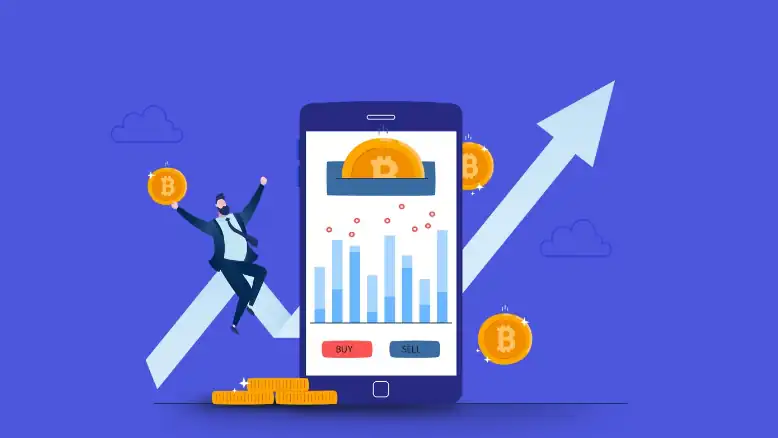
Cryptocurrencies like Bitcoin, Ethereum, and many others have transformed the way people think about money. Unlike traditional currencies, crypto is digital, decentralized, and operates independently of banks. However, most people still need cash for everyday expenses such as paying bills, shopping, or transferring money to a bank account. This raises the question: How do you convert Bitcoin or other cryptocurrencies into cash safely and efficiently?
Cryptocurrencies like Bitcoin, Ethereum, and many others have transformed the way people think about money. Unlike traditional currencies, crypto is digital, decentralized, and operates independently of banks. However, most people still need cash for everyday expenses such as paying bills, shopping, or transferring money to a bank account. This raises the question: How do you convert Bitcoin or other cryptocurrencies into cash safely and efficiently?
Key Takeaways
- Cryptocurrency Market Growth: Global crypto market surpassed $3 trillion market cap with projections to reach $85.7 billion revenue in 2025 and 962.9 million users by 2026, demonstrating massive worldwide adoption.
- Coins vs Tokens Fundamentals: Coins operate on independent blockchains (Bitcoin, Ethereum) serving as digital cash, while tokens build on existing blockchains offering versatile utility like voting, rewards, and asset representation.
- Token Creation More Accessible: Tokens are easier to create than coins because they leverage existing blockchain infrastructure rather than requiring complete blockchain development from scratch.
- Smart Contract Foundation: Tokens function through smart contracts following standards like ERC-20 or BEP-20, enabling automatic transfers, minting, burning, balance checking, and fee application without intermediaries.
- Six-Step Creation Process: Token development involves defining purpose, choosing blockchain platform, designing tokenomics, creating smart contracts, testing and auditing, then launching on mainnet for public use.
- Affordable Development Costs: Simple token creation ranges $500-$5,000 using no-code tools, while advanced projects with audits and marketing cost $10,000-$30,000, with full-service agency development reaching $100,000+.
- Platform Selection Critical: Ethereum offers strongest security and developer support, while Polygon, BNB Chain, and Solana provide faster transaction speeds and significantly lower fees for cost-conscious projects.
- Security Audits Essential: Independent security audits costing $5,000-$50,000 identify vulnerabilities like reentrancy attacks before launch, preventing potential fund drains and protecting user assets from exploitation.
This guide walks you through the step-by-step process of converting Bitcoin and other digital assets into cash. It also highlights how blockchain technology, combined with modern cryptocurrency development, ensures that the entire process remains secure, efficient, and accessible to everyone.
Before converting crypto into cash, it’s essential to understand what cryptocurrencies are and how they work.
Understanding the Basics of Bitcoin and Cryptocurrency
Cryptocurrencies are digital assets that rely on blockchain technology, a decentralized ledger that records transactions securely and transparently. Unlike regular money, cryptocurrency transactions do not rely on banks or government authorities.
Bitcoin, the first cryptocurrency, was introduced in 2008 by the anonymous creator Satoshi Nakamoto. Its main purpose was to enable people to transfer value digitally without intermediaries. Over the years, many other digital assets have emerged, each serving different purposes. Some are designed for payments, some for smart contracts, and others are created through advanced crypto token creation methods.
Even though cryptocurrency exists only digitally, it carries real value and can be exchanged for goods, services, or traditional money. Understanding how crypto works is crucial to converting it into cash safely.
How Does Bitcoin and Crypto Actually Work?
Cryptocurrencies operate on networks of computers rather than centralized systems. When a transaction occurs, it is broadcast to the network, and specialized computers called miners or nodes verify it. Once verified, the transaction is permanently added to the blockchain. This system ensures that all transfers are secure, transparent, and tamper-proof.
To interact with crypto, you need a digital wallet, which stores your assets and provides two types of keys: a public key (like an account number) and a private key (like a password). You need both to send or receive crypto securely.
The same technology that supports Bitcoin also powers countless crypto token solutions. These solutions allow the creation, transfer, and management of tokens. Just as these tokens can be created digitally, they can also be converted to cash or other assets when needed. For individuals exploring digital currencies, understanding how to buy bitcoin is often the first step toward participating in this broader ecosystem of blockchain-based tokens and assets.
Why Do People Want to Convert Crypto to Cash?
There are many reasons people prefer turning their crypto into cash instead of holding it long-term.
Some of the main reasons include:
- Market risk and price drops
- Need for emergency funds
- Payments for real-life needs
- Business expenses
- Profit realization after price rise
With the growth of crypto token based systems, people are no longer just investors. Many people also receive crypto as payment for freelance work, international services, or participation in projects related to crypto token creation.
Converting this digital income into usable cash becomes important in daily life.
Methods to Convert Crypto into Cash
There are several ways to convert crypto into cash, each with its advantages and drawbacks. Let’s go through the most common methods in detail.
1. Cryptocurrency Exchanges
Exchanges are online platforms where you can buy, sell, and trade cryptocurrencies. They are one of the safest and most popular ways to convert crypto into cash.
Popular exchanges include:
- Coinbase
- Binance
- Kraken
Exchanges are user-friendly because they provide step-by-step instructions for selling crypto. Most exchanges support bank transfers so that cash can go directly to your account.
How it works:
- Create an account and complete identity verification (KYC).
- Deposit your cryptocurrency into the exchange wallet.
- Select the “Sell” or “Trade” option.
- Convert your crypto into your preferred currency (USD, EUR, INR, etc.).
- Withdraw cash to your linked bank account.
Exchanges provide a secure environment but may take a few hours or days for the funds to reach your account, depending on your bank and platform.
2. Peer-to-Peer (P2P) Platforms
P2P platforms allow users to sell crypto directly to other people. The platform ensures safety by acting as an intermediary that holds the crypto until payment is confirmed.
Why use P2P platforms?
- Offers multiple payment options (bank transfers, PayPal, UPI, etc.)
- Can provide faster transactions than exchanges
- Useful in countries where banking options are limited
How it works:
- Select a trusted buyer on the platform.
- Lock your crypto in escrow.
- Receive payment from the buyer.
- Release the crypto once the payment is confirmed.
P2P platforms are ideal for those who want more flexibility or faster cash transfers.
3. Bitcoin ATMs (Instant Cash Method)
Bitcoin ATMs are similar to traditional ATMs but allow you to convert crypto directly into cash. They provide an instant solution without involving a bank.
How to use a Bitcoin ATM:
- Locate a Bitcoin ATM that supports withdrawals.
- Scan the QR code of the ATM using your crypto wallet.
- Send the cryptocurrency to the ATM.
- Receive cash instantly.
While convenient, Bitcoin ATMs often charge higher fees and are less widely available than exchanges or P2P platforms for buying or selling bitcoin cash.
4. Crypto Debit Cards
Crypto debit cards allow you to spend cryptocurrency directly or withdraw cash from ATMs. These cards automatically convert your crypto to fiat currency whenever you make a transaction.
Benefits of crypto debit cards:
- Can be used worldwide at ATMs or stores
- Instant conversion to cash
- No need to manually sell crypto each time
They are convenient for daily spending and help users avoid multiple conversion steps.
5. Apps for Crypto to Cash Conversion
Many people search: convert them into cash by applying through application
This refers to mobile apps allowing instant crypto-to-cash conversion.
Popular apps include:
- Binance App
- Coinbase App
- Cash App (USA)
- CoinDCX App (India)
- OKX App
How conversion works:
- Open the crypto app
- Go to “Sell” option
- Choose your crypto
- Select cash-out method
- Withdraw to bank
These apps make conversion easy for new users.
Step-by-Step Guide: How to Convert Bitcoin or Crypto to Cash
Here is a simple and detailed step-by-step process that covers all the important actions—from choosing a platform to receiving cash.
Step 1: Pick Your Cash-Out Method
Choose between:
- Exchange
- P2P platform
- Bitcoin ATM
- Mobile application
- Crypto debit card
Select the method that matches your needs. If you want low fees, choose an exchange. If you want instant cash, choose a Bitcoin ATM or P2P.
Step 2: Create an Account (If Needed)
Exchanges and apps require:
- Mobile number
- Identity verification (KYC)
KYC protects you and prevents fraud.
Step 3: Transfer Your Crypto
Open your wallet and:
- Copy the receiving address from the exchange or app
- Paste it in your wallet
- Send your Bitcoin or crypto
Always double-check the wallet address before sending.
Step 4: Sell Your Crypto
After your digital asset reaches the platform, go to:
- “Sell Bitcoin”
- “Sell Crypto”
- “Trade”
Choose your currency (INR, USD, EUR, etc.) and complete the sale.
Step 5: Withdraw Money to Your Bank Account
Add your bank account or payment method, then:
- Enter the withdrawal amount
- Confirm the transaction
- Wait for processing (1–5 days depending on platform)
Step 6: Optional – Instant Cash Through Bitcoin ATM
If you need cash instantly:
- Use a Bitcoin ATM
- Pay network and machine fees
- Receive physical cash
Safety Tips While Converting Crypto to Cash
Security is very important when you convert cryptocurrency to cash. Because crypto transactions are irreversible, one small mistake can lead to permanent loss.
Always remember the following safety tips:
- Never share your private keys or OTP
- Use verified and trusted platforms only
- Double-check wallet addresses
- Avoid offers that seem too good to be true
- Use two-factor authentication
- Keep transaction records for tax purposes
Many scams happen because people try to convert crypto without proper knowledge. A basic understanding of blockchain and crypt token solution systems can help you stay safer.
The Connection Between Blockchain and Crypto Conversion
Every crypto token works on a blockchain network. Blockchain is the technology that records and confirms every transaction. It makes the process transparent, secure, and traceable.
When you exchange or sell your crypto:
- The blockchain verifies your ownership
- The transaction is written into a public ledger
- No one can change or delete that record
This strong system is also the reason why crypto token creation has become a popular topic. Many companies and individuals now prefer creating custom tokens instead of using traditional currency systems.
These same blockchain networks make it possible to convert digital assets into cash securely and transparently.
Tax Considerations When You Convert Crypto to Cash
In many countries, converting crypto to cash is considered a taxable action. This means that if you make a profit, you may need to pay capital gains tax.
This is important because:
- Governments track exchange transactions
- Banks can report large deposits
- You may need proof of source of income
It is always wise to keep a record of:
- Purchase date
- Purchase price
- Selling price
- Transaction IDs
This way, you stay safe from legal issues while using crypto or any type of crypt token solution in the long term.
Future of Crypto to Cash System
As technology grows, the process of converting crypto to cash will become easier. Banks, governments, and payment companies are already exploring ways to connect blockchain with traditional financial systems.
In the future, we may see:
- Faster conversion speed
- Better banking support
- More legal clarity
- Simple mobile-based crypto-to-cash options
- Wide use of blockchain services for daily payments
Along with crypto token creation, this can completely change how individuals and businesses use money.
The goal of blockchain is not only digital investment, but also financial inclusion and efficiency.
Final Thoughts
Converting Bitcoin or other cryptocurrencies into cash is straightforward once you understand the options and processes. From exchanges and apps to P2P trading and ATMs, there are multiple safe and effective ways to access your money.
Blockchain technology and modern crypto token solutions ensure that every transaction is secure, traceable, and reliable. With proper knowledge, you can convert your crypto to cash efficiently while avoiding risks and unnecessary fees.
Frequently Asked Questions
Q1.How can I convert Bitcoin to cash?
You can convert Bitcoin to cash using cryptocurrency exchanges, peer-to-peer (P2P) platforms, Bitcoin ATMs, or crypto debit cards. The most common way is through an exchange where you sell your Bitcoin and withdraw the money to your bank account.
Q2.Is it legal to convert cryptocurrency into cash?
In most countries, converting cryptocurrency into cash is legal, but it is often subject to local financial regulations and taxes. You should always check your country’s crypto laws and report profits for tax purposes if required.
Q3.How long does it take to cash out crypto to a bank account?
The time can vary based on the platform and banking system. Usually, it takes anywhere between a few hours to 3–5 business days for the money to appear in your bank account.
Q4.Do I need to pay tax when converting crypto to cash?
Yes, in most countries, converting crypto to cash is considered a taxable event. You may need to pay capital gains tax on profits. Keep records of purchase date, purchase price, selling price, and transaction IDs for tax purposes.
Q5.Is it safe to convert Bitcoin and crypto into cash?
Yes, it is safe if you use trusted and verified platforms, enable two-factor authentication, and never share your private keys or personal details. Always double-check wallet addresses and transaction details before confirming.
Explore Services
Related Services
Reviewed by

Aman Vaths
Founder of Nadcab Labs
Aman Vaths is the Founder & CTO of Nadcab Labs, a global digital engineering company delivering enterprise-grade solutions across AI, Web3, Blockchain, Big Data, Cloud, Cybersecurity, and Modern Application Development. With deep technical leadership and product innovation experience, Aman has positioned Nadcab Labs as one of the most advanced engineering companies driving the next era of intelligent, secure, and scalable software systems. Under his leadership, Nadcab Labs has built 2,000+ global projects across sectors including fintech, banking, healthcare, real estate, logistics, gaming, manufacturing, and next-generation DePIN networks. Aman’s strength lies in architecting high-performance systems, end-to-end platform engineering, and designing enterprise solutions that operate at global scale.