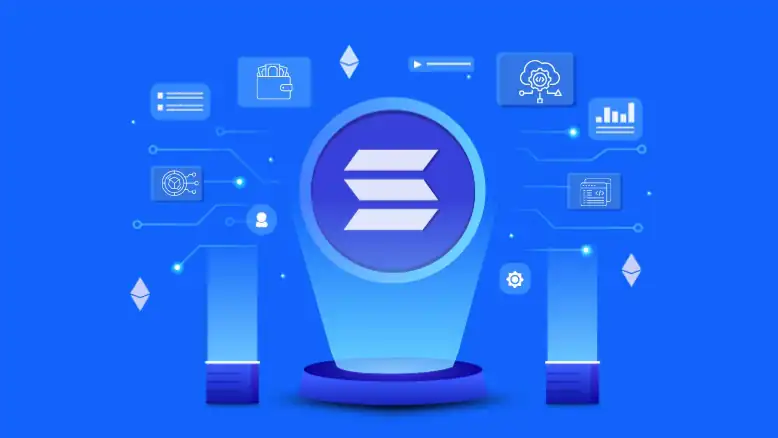
Creating a token on Solana is now one of the fastest and most affordable ways to enter the crypto space. Whether you are building a startup, launching a meme coin, or testing a Web3 idea, Solana gives you the tools to do it quickly without heavy technical barriers.
In simple terms, you can create a crypto token on Solana in just a few minutes using either no-code platforms or developer tools. The process is straightforward, but doing it the right way matters if you want your token to be secure, scalable, and trusted by users.
Solana stands out because of its high-speed transactions and extremely low fees. Unlike many other blockchains, you do not need a large budget to launch your token. Even beginners can deploy a working token with minimal cost and effort.
In this guide, you will learn:
- The exact steps to create a Solana token
- Tools you can use (with and without coding)
- Real cost breakdown
- Best practices to avoid common mistakes
Before jumping into the steps, let’s quickly understand what a Solana token actually is and how it works.
Key Takeaways
- Two Creation Methods Available: Solana offers both no-code GUI tools for beginners and CLI-based SPL token program for developers seeking complete control over token parameters.
- Minimal Creation Costs: Basic blockchain fees typically cost less than a few dollars, no-code platforms range from $50-$300, while custom development starts at $2,000+ depending on complexity.
- Fast Transaction Processing: Solana processes up to 65,000 transactions per second with 400ms block time, ensuring smooth token transfers without network congestion or delays.
- Extremely Low Fees: Transaction costs remain under a few cents even during high network activity, making Solana affordable for small investors and high-volume projects.
- Essential Requirements: You need a Solana-compatible wallet, small SOL amount for fees, basic token details including name, symbol, supply, decimals, and authority settings.
- Authority Control Options: Creators can configure mint authority for supply management and freeze authority for account control, with options to disable both for transparency.
- Advanced Features Available: Projects can implement token vesting schedules, staking systems, burn mechanisms, and multi-signature authority for enhanced security and utility.
- Strong Ecosystem Support: SPL tokens integrate seamlessly across Solana wallets, exchanges, and developer tools, ensuring wide adoption and long-term technical support.
- Flexible Metadata Management: Token creators can add logos, descriptions, social links, and websites through Metaplex, improving visibility in wallets and blockchain explorers.
What Is a Solana Token?
A Solana token is a digital asset created on the Solana blockchain using the SPL (Solana Program Library) token standard. It works similar to tokens on other blockchains, but with faster transactions and much lower fees.
These tokens can represent different things depending on your project, such as:
- Utility tokens for apps or platforms
- Governance tokens for voting systems
- Meme coins for community-driven projects
- Payment tokens for transactions
Once a token is created, it becomes part of the Solana ecosystem and can be stored, transferred, or traded using supported wallets and platforms. Tools like Solflare and other popular Solana wallets make it easy to manage tokens, check balances, and interact with decentralized applications.
Every Solana token follows a set of rules defined during creation, including:
- Total supply
- Decimal units
- Mint authority (who can create more tokens)
- Freeze authority (optional control over transactions)
These settings ensure that your token behaves consistently and securely across the network.
Understanding this basic concept is important before moving to the actual creation process, because the choices you make during setup directly affect how your token will function in the future.
Requirements Before You Create a Solana Token
Before you start creating your token, it is important to prepare a few basic things. These requirements make the process smooth and help you avoid common mistakes during deployment.
You do not need advanced technical knowledge, but having the right setup will save time and prevent errors.
1. A Solana Wallet
You need a secure wallet to create and manage your token. This wallet will act as the owner (mint authority) of your token.
Popular options include:
- Phantom
- Solflare
- Backpack
These wallets help you:
- Store SOL coins
- Sign transactions
- Manage your token after creation
2. Some SOL for Fees
Solana is known for its low fees, but you still need a small amount of SOL to:
- Create the token
- Initialize accounts
- Confirm transactions
Typical cost: $0.01 to $0.30
3. Basic Token Details
Before creating your token, decide these important parameters:
- Token name (Example: MyToken)
- Symbol (Example: MTK)
- Total supply
- Decimals (usually 9)
- Logo (optional but recommended)
Planning this in advance helps you avoid changes later.
4. Device or System
- No-code tools: Work in browser (easy for beginners)
- CLI method: Requires PC or laptop
Make sure your system is ready depending on the method you choose.
5. Solana CLI (For Advanced Users)
If you want full control, you will need:
- Solana CLI
- SPL Token CLI
These tools allow deeper customization like:
- Authority control
- Minting logic
- Token configuration
6. Clear Goal for Your Token
This is something most beginners ignore.
Ask yourself:
- Is it a meme coin?
- A utility token?
- A long-term project?
Your goal will decide:
- Supply structure
- Features
- Token behavior
How to Create a Solana Token (Step-by-Step)
You can create a Solana token in two ways:
- No-code method (fast and beginner-friendly)
- CLI method (advanced and customizable)
Let’s start with the easiest and most popular approach.
Method 1: Create a Solana Token Without Coding (Fastest Way)
This method is best if you want to launch a token quickly without technical complexity.
Step 1: Open a Token Creator Platform
Go to any trusted Solana token creation tool. These platforms provide a simple interface where you can create your token in minutes.
Step 2: Connect Your Wallet
Click on “Connect Wallet” and choose your wallet.
Make sure you have some SOL in your wallet to pay small fees. Once connected:
- Your wallet becomes the token owner
- All actions will require your approval
Step 3: Enter Token Details
Now fill in the basic information:
- Token Name
- Token Symbol
- Total Supply
- Decimals (usually 9)
- Token Logo (optional)
This defines how your token will appear across the ecosystem.
Step 4: Set Authorities
You will see options like:
- Mint Authority: Controls future supply
- Freeze Authority: Controls account restrictions
For trust and transparency, many projects disable both after creation.
Step 5: Create the Token
Click on “Create” or “Deploy Token”.
Approve the transaction in your wallet. Within a few seconds:
- Your token is live
- You get a Token Mint Address
- It appears in your wallet
Step 6: Manage and Improve Your Token
After creation, you can:
- Add metadata (logo, description)
- Mint more tokens (if enabled)
- Share token address
This helps improve visibility and usability.
Method 2: Create a Solana Token Using CLI (Advanced)
This method is used by developers who want full control over token behavior.
Step 1: Install Solana CLI
Install the CLI tool to interact with the blockchain.
Step 2: Configure Network
Choose mainnet, testnet, or devnet.
Step 3: Create Wallet
Generate or import a wallet for transactions.
Step 4: Install SPL Token CLI
This allows you to manage token creation via commands.
Step 5: Create Token
Generate a unique token mint address.
Step 6: Create Token Account
Store your token supply in your wallet.
Step 7: Mint Tokens
Define how many tokens you want in circulation.
Step 8: Set Authorities
Disable mint or freeze authority if needed.
Step 9: Add Metadata
Upload logo, name, and details for better visibility.
Cost to Create a Solana Token (Full Breakdown)
One of the biggest advantages of Solana is its low cost. Compared to other blockchains, launching a token here is very affordable, even for beginners or small projects.
The total cost depends on how you create your token and what features you add.
1. Basic Blockchain Cost (Minimum Expense)
If you create a token directly on the Solana network, you only need to pay small transaction fees.
These include:
- Token mint creation
- Token account setup
- Initial token minting
Typical cost: $0.01 to $2
This makes Solana one of the cheapest blockchains for token creation.
2. No-Code Platform Cost
If you use a GUI-based platform, the process becomes easier but slightly more expensive.
These platforms usually charge for:
- Token deployment
- Metadata setup
- Dashboard access
Typical cost: $50 to $300
This is still affordable considering the convenience and speed.
3. Custom Development Cost
For advanced projects, you may need expert help. This is where professional crypto token development services come in.
Costs depend on:
- Token logic complexity
- Security features
- Smart integrations
- Advanced functionalities (staking, vesting, etc.)
Typical cost: $2,000 to $10,000+
4. Hidden or Optional Costs
Some additional costs that many people ignore:
- Logo design and branding
- Website or landing page
- Marketing and promotion
- Exchange listing fees (if applicable)
These are not mandatory for token creation but important for long-term success.
Why Choose Solana for Token Creation?
Choosing the right blockchain is important because it directly affects your token’s performance, cost, and user experience. Solana has become a popular choice because it offers a strong balance of speed, scalability, and affordability.
1. Extremely Low Transaction Fees
One of the biggest advantages of Solana is its low cost.
- Transactions usually cost less than a few cents
- Even high activity does not increase fees significantly
- Ideal for small investors and new projects
This makes it easier to scale your token without worrying about gas fees.
2. High-Speed Performance
Solana is built for speed.
- Processes thousands of transactions per second
- Very low latency
- Smooth experience for users and developers
According to the Fuze Finance report, Solana can handle up to 65,000 transactions per second with an average block time of around 400 milliseconds. This makes it one of the fastest blockchains available today.
3. Easy Token Creation Process
Solana supports both beginners and developers.
- No-code tools for quick launches
- CLI tools for advanced control
- Flexible token configuration
Whether you are testing an idea or building a full project, the process is simple and efficient.
4. Strong Ecosystem Support
The Solana ecosystem is growing rapidly.
- Supported by major wallets and exchanges
- Active developer community
- Wide adoption in DeFi, NFTs, and gaming
Because of this, your token can easily integrate with apps, wallets, and platforms.
5. Scalable for Future Growth
Solana is designed for long-term scalability.
- Handles large user bases
- Suitable for high-volume transactions
- Supports complex Web3 applications
This makes it a good choice not just for launching a token, but also for growing a full blockchain project.
Conclusion
Creating a Solana token in 2026 is easier, faster, and more affordable than ever before. Whether you are a beginner or a developer, the tools available today make it possible to launch a token in just a few minutes with minimal cost.
The real advantage of Solana lies in its performance. With high-speed transactions, low fees, and a growing ecosystem, it provides a strong foundation for both small and large crypto projects.
However, simply creating a token is not enough.
To build a successful project, you need to focus on:
- Clear token purpose
- Strong tokenomics
- Security and authority management
- Proper marketing and community building
If you plan to scale your idea or build a long-term product, working with experts can make a big difference. A professional approach to planning, development, and launch can help avoid costly mistakes and improve your chances of success.
In the end, Solana gives you the tools, but your strategy decides the outcome. With the right planning and execution, your token can grow into a valuable digital asset within the blockchain ecosystem.
Frequently Asked Question - Crypto Token
Solana is special because it uses a unique Proof-of-History (PoH) mechanism along with Proof-of-Stake (PoS), allowing transactions to be processed extremely fast. This design enables Solana to handle thousands of transactions per second with very low fees, making it ideal for token creation, DeFi, NFTs, and high-traffic applications.
Solana is mainly used for building fast and scalable blockchain applications. It supports a wide range of use cases, including crypto token creation, DeFi platforms, NFT marketplaces, blockchain games, payment solutions, and Web3 applications that require high performance and low transaction costs.
Creating a Solana token is very affordable. Basic token creation typically costs less than a few cents in SOL for network fees. Using no-code platforms may cost between $50 and $300, while advanced custom development with a crypto token service provider can range from $2,000 to $10,000 or more, depending on complexity.
Solana is a high-performance, open-source blockchain designed for speed, scalability, and low fees. It combines Proof-of-History with Proof-of-Stake to process transactions efficiently, making it suitable for decentralized applications, smart contracts, NFTs, and large-scale crypto token ecosystems.
Yes, anyone can create a token on Solana. You only need a Solana wallet, a small amount of SOL for fees, and either a no-code token creator or the Solana CLI. No advanced coding knowledge is required if you use GUI-based tools.
An SPL token is the token standards format used on the Solana blockchain. It defines how tokens are created, transferred, and managed, ensuring compatibility with Solana wallets, exchanges, and applications across the ecosystem.
No, coding is not mandatory. Beginners can use no-code Solana token creation platforms to launch tokens easily. However, developers can use the Solana CLI and SPL Token Program for advanced customization, authority control, and integrations.
Yes, you can fix the total supply by disabling the mint authority after creating your token. This ensures that no additional tokens can be minted in the future, increasing transparency and trust for public or community-driven projects.
Token creation on Solana is very fast. Using no-code tools, a token can be created within a few minutes. Even with the CLI method, the entire process usually takes less than 10–15 minutes once the setup is complete.
Yes, Solana SPL tokens are widely supported by popular wallets and many centralized and decentralized exchanges. Proper metadata, token supply configuration, and project credibility help improve listing and adoption across the Solana ecosystem.
Author

Aman Vaths
Founder of Nadcab Labs
Aman Vaths is the Founder & CTO of Nadcab Labs, a global digital engineering company delivering enterprise-grade solutions across AI, Web3, Blockchain, Big Data, Cloud, Cybersecurity, and Modern Application Development. With deep technical leadership and product innovation experience, Aman has positioned Nadcab Labs as one of the most advanced engineering companies driving the next era of intelligent, secure, and scalable software systems. Under his leadership, Nadcab Labs has built 2,000+ global projects across sectors including fintech, banking, healthcare, real estate, logistics, gaming, manufacturing, and next-generation DePIN networks. Aman’s strength lies in architecting high-performance systems, end-to-end platform engineering, and designing enterprise solutions that operate at global scale.