Ai Overview
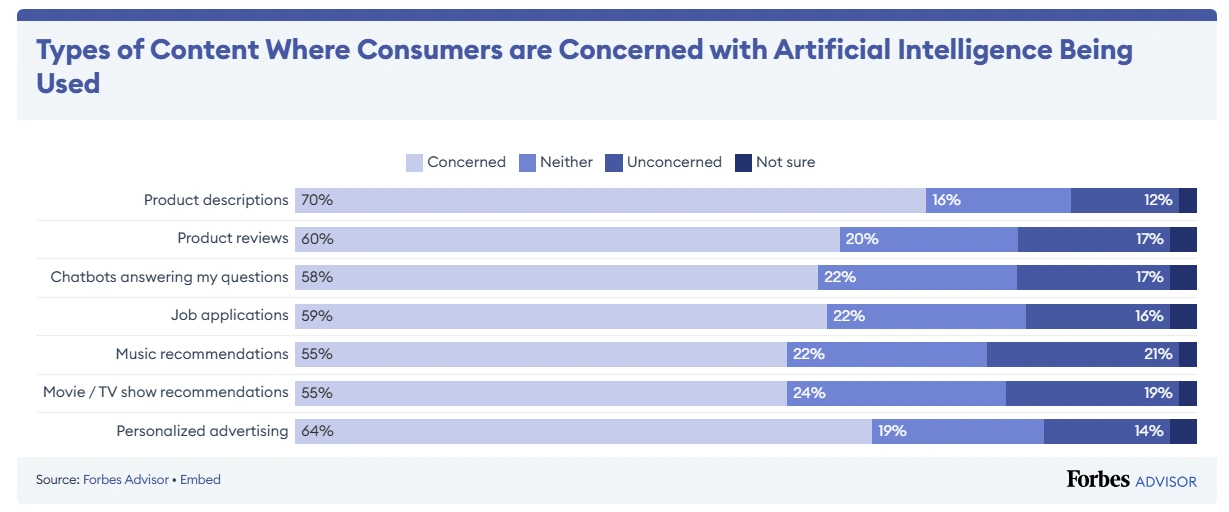
In 2026, entrepreneurs are extensively utilizing AI to build profitable businesses. According to a Forbes report, it is not just entrepreneurs—over 60% of business owners believe that AI will boost productivity and enhance customer relationships. Furthermore, it will lead to reduced operational costs for running a business. According to Forbes, 72% of businesses have adopted AI guidelines for at least one professional function.
In 2026, entrepreneurs are extensively utilizing AI to build profitable businesses. According to a Forbes report, it is not just entrepreneurs—over 60% of business owners believe that AI will boost productivity and enhance customer relationships. Furthermore, it will lead to reduced operational costs for running a business.
Key Takeaways
- AI has become essential for building and scaling businesses in 2026.
- Entrepreneurs are using AI to reduce costs and increase efficiency.
- Automation of repetitive tasks is saving time and boosting productivity.
- AI enables smarter, faster decision-making through data analysis.
- Personalized customer experiences are driving higher conversions.
- Small teams can scale faster using AI-powered tools.
- AI-powered apps are creating new revenue opportunities.
- India is leading globally in AI adoption, accelerating business growth.
- AI tools are replacing multiple manual roles across operations and marketing.
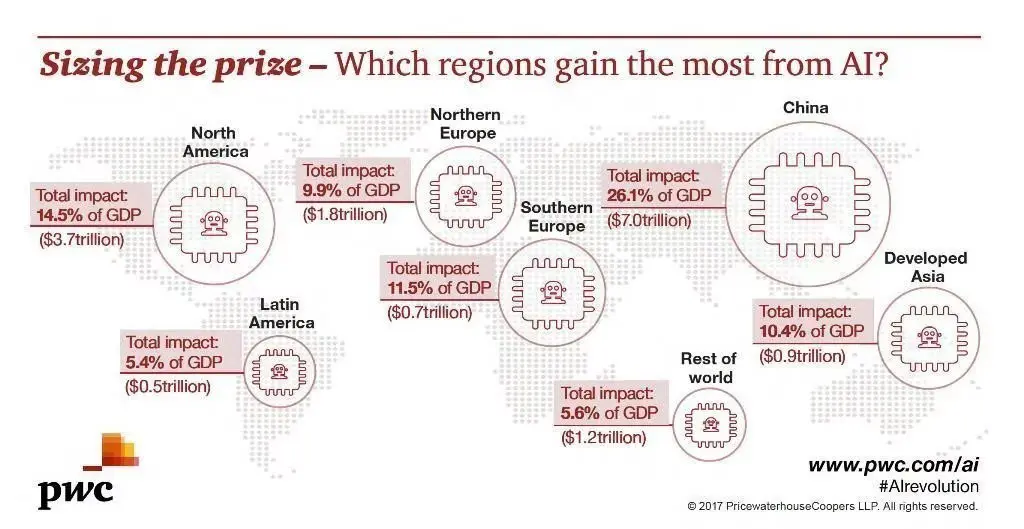
According to the Forbes report published on April 1, 2026, the size of the AI sector is projected to reach $1,339 billion by 2030. Various regions of the world are expected to benefit significantly from AI in terms of GDP.
In 2026, entrepreneurship is about more than just having a brilliant idea; it is about how effectively you utilize technology to scale that idea to a massive level. Among all emerging technologies, Artificial Intelligence (AI) has emerged as the most powerful tool for creating businesses that are both profitable and scalable.
To put it simply: today, from automating various operations to enhancing the customer experience, AI is helping entrepreneurs reduce costs, boost operational efficiency, and generate higher returns. Whether you are running a startup, an online business, or a service-based company, AI-powered tools and applications are fundamentally transforming the way businesses grow and achieve success.
This article explores how entrepreneurs in 2026 are utilizing AI to build profitable businesses; it covers strategies, tools, insights into app development, real-world examples, and future trends.
What is AI in Entrepreneurship?
In the context of entrepreneurship, AI refers to the utilization of artificial intelligence technology to launch, manage, and scale a business more efficiently. It empowers entrepreneurs to automate tasks, analyze data, and make more informed decisions.
Simply put, AI helps business owners operate with greater speed, minimize manual effort, and boost productivity. Consequently, it also results in significant cost savings for business owners. Tools such as chatbots for customer support, AI-based marketing platforms, and data analytics systems are now commonly employed in modern businesses.
Artificial Intelligence in entrepreneurship refers to the use of AI technologies such as:
- Machine Learning (ML)
- Natural Language Processing (NLP)
- Predictive Analytics
- Computer Vision
- Generative AI
These technologies enable entrepreneurs to automate processes, analyze large datasets, and make data-driven decisions that lead to better business outcomes.
Why AI is Essential for Entrepreneurs in 2026
In 2026, AI is no longer merely an option—it is a necessity for modern entrepreneurs. This is because it enables businesses to operate faster, smarter, and more efficiently within today’s highly competitive digital landscape. Given the ever-increasing volume of data, evolving customer expectations, and intensifying market competition, relying solely on traditional methods is no longer sufficient.
Traditional methods consume significant manual effort and time; in contrast, AI today allows for a greater volume of work to be accomplished in less time, delivering results with remarkable speed.
AI assists entrepreneurs in automating repetitive tasks—such as customer support, content creation, and data management. This saves valuable time, thereby allowing business owners to focus their energy on strategic planning and growth initiatives.
Another key advantage lies in data-driven decision-making. AI can rapidly analyze vast quantities of data to generate insights regarding customer behavior, market trends, and business performance, thereby empowering entrepreneurs to make superior and more accurate decisions.
Furthermore, AI enhances the customer experience through personalization. Businesses can leverage AI to provide tailored recommendations, instant responses, and deeper engagement. AI can automate replies to calls or messages, eliminating wait times for customers and fostering greater trust in the company.
With the aid of AI, startups can effectively operate and scale their businesses even with limited resources. This facilitates business expansion at a reduced cost. By utilizing AI-powered tools, entrepreneurs can compete effectively with larger corporations and achieve impressive results in a shorter timeframe.
India leads the world with an AI adoption rate of 92%. Consequently, India’s economic growth is projected to accelerate rapidly by 2030, and numerous businesses—both new and established—are poised to achieve unprecedented growth with the aid of AI.
Key Reasons:
- Increased competition in digital markets
- Need for automation and efficiency
- Demand for personalized customer experiences
- Data-driven decision-making requirements
- Faster scalability with fewer resources
Entrepreneurs who adopt AI early are gaining a significant competitive advantage.
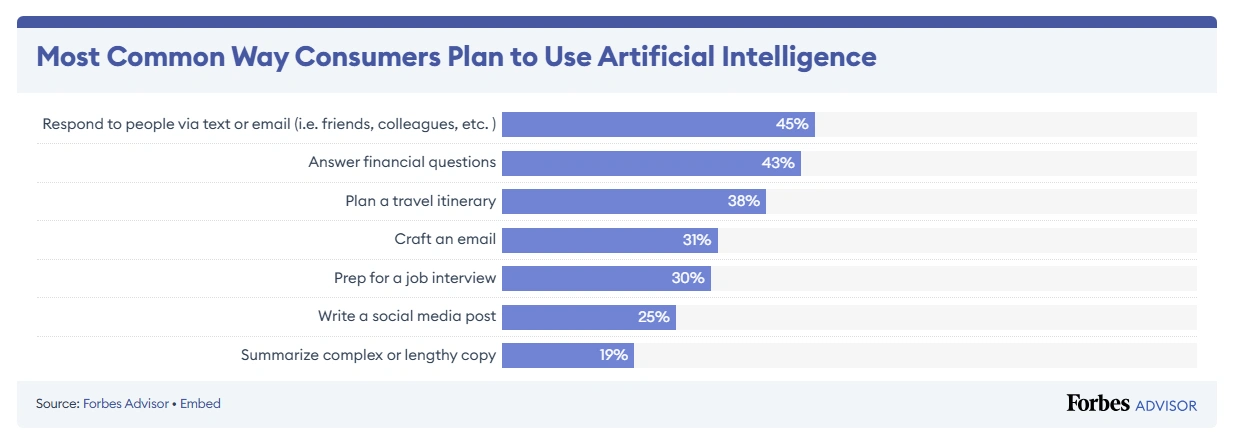
Ways AI is Improving the Customer Experience
| Customer Touchpoint | Adoption Rate |
|---|---|
| Instant messaging (i.e. Chatbots) | 73% |
| Emails | 61% |
| Personalized services (i.e. product recommendations) | 59% |
| Text messages | 49% |
| Personalized advertising | 46% |
| Long-form written content (i.e. website content) | 42% |
| Phone calls | 39% |
Top Ways Entrepreneurs Are Using AI to Build Profitable Businesses
1. Automating Business Operations
AI helps entrepreneurs automate repetitive and time-consuming tasks such as:
- Email responses
- Data entry
- Customer support
- Workflow management
Result: Reduced operational costs and increased productivity.
2. Hyper-Personalized Marketing
AI analyzes user behavior and delivers highly personalized marketing campaigns. Businesses looking to scale these efforts often work with an email marketing agency to deliver more targeted campaigns based on customer preferences, behaviors, and engagement patterns.
Examples:
- Personalized email marketing
- AI-driven ad targeting
- Product recommendations
Result: Higher conversion rates and improved ROI.
3. AI Chatbots for Customer Support
AI-powered chatbots are transforming customer service:
- Available 24/7
- Instant responses
- Handles multiple customers simultaneously
Result: Improved customer satisfaction and reduced support costs.
4. Predictive Analytics for Business Growth
AI project management tools help entrepreneurs predict future trends based on historical data.
Examples:
- Sales forecasting
- Customer behavior prediction
- Market demand analysis
Result: Better planning and smarter decision-making.
5. Content Creation with AI
Entrepreneurs are using AI tools to create:
- Blog posts
- Social media content
- Ad copies
- Video scripts
Result: Faster content production and reduced marketing costs.
6. Financial Management and Fraud Detection
AI helps manage finances by:
- Tracking expenses
- Predicting cash flow
- Detecting fraud
Result: Better financial control and risk management.
Role of AI in App Development for Entrepreneurs
AI plays a crucial role in app development, making the process faster, smarter, and more efficient for entrepreneurs. It helps reduce development time and cost, improve app performance, and create a better user experience. This is why the demand for AI-powered app development is expected to increase significantly.
Why AI Apps Matter
AI-powered apps allow businesses to:
- Automate user interactions
- Deliver personalized experiences
- Collect and analyze user data
- Improve engagement and retention
Types of AI Apps Entrepreneurs Are Building
| App Type | AI Features Included | Business Benefit |
|---|---|---|
| E-commerce Apps | Product recommendations, chatbots | Increased sales |
| Fintech Apps | Fraud detection, risk analysis | Enhanced security |
| Healthcare Apps | AI diagnosis, patient monitoring | Better healthcare services |
| EdTech Apps | Personalized learning, AI tutors | Improved learning outcomes |
| SaaS Platforms | Automation tools, predictive analytics | Scalable business model |
Cost of AI App Development in 2026
| Country | Hourly Rate (Avg) | Basic AI App Cost | Mid-Level App Cost | Advanced AI App Cost |
|---|---|---|---|---|
| USA | $100 – $250/hr | $80K – $200K | $250K – $500K | $500K – $1.5M+ |
| UK | $80 – $200/hr | $70K – $180K | $200K – $400K | $400K – $1M+ |
| UAE | $60 – $150/hr | $50K – $150K | $150K – $300K | $300K – $800K+ |
| India | $15 – $60/hr | $20K – $75K | $80K – $200K | $200K – $500K+ |
| Philippines | $20 – $50/hr | $25K – $80K | $90K – $180K | $180K – $400K+ |
Key Insights
- USA is the most expensive due to high developer salaries and operational costs
- UK offers slightly lower costs but similar quality standards
- UAE is growing rapidly as a tech hub with moderate pricing
- India is the most cost-effective with high-quality talent
- Philippines is an emerging outsourcing destination
Despite the cost, AI apps deliver high ROI through automation and scalability.
Real-World Use Cases of AI in Entrepreneurship
Entrepreneurs across various industries worldwide are actively utilizing AI to enhance their operational efficiency, boost revenue, and automate business processes. Here are some key real-world use cases:
1. E-commerce Businesses
E-commerce entrepreneurs leverage AI for dynamic pricing and product recommendations. By analyzing customer behavior, market demand, and competitor pricing, AI adjusts prices in real-time and suggests relevant products, thereby driving sales and conversions. Additionally, AI can interact with customers in real-time to address a wide range of their queries.
2. Digital Marketing
Digital marketers employ AI for ad optimization and audience targeting. AI tools analyze user data to identify the right audience, optimize ad performance, and improve ROI by serving advertisements to those individuals most likely to become customers. Furthermore, these tools assist in managing customer data and sending timely reminders.
3. Startup Automation (SaaS Tools)
Startup founders increasingly rely on AI-powered SaaS tools to automate workflows such as email marketing, CRM management, lead generation, and customer support. In this context, a detailed Lusha review highlights how sales intelligence platforms can streamline prospecting by providing accurate contact data and insights. By reducing manual effort and improving lead quality, these tools enhance operational efficiency while helping businesses build stronger customer relationships and trust.
4. Content Creation
Content creators use AI to rapidly generate blogs, social media posts, videos, and scripts. AI assists in brainstorming ideas, writing, editing, and even generating voiceovers—saving time and boosting productivity. Prior to the advent of AI, all these tasks required a dedicated team, a process that was both time-consuming and expensive.
5. Fintech Industry
Fintech startups utilize AI for fraud detection and risk analysis. AI systems monitor transactions in real time, detect anomalous patterns, and prevent fraudulent activities, thereby ensuring secure financial operations. Companies utilizing AI are empowered to conduct effective monitoring and take prompt action.
Real-World Example: AI-Powered Sign Language Translation
One of the most inspiring examples of AI-based innovation comes from Priyanjali Gupta, an engineering student. She has developed an AI-powered application capable of translating sign language into text in real time.
Utilizing computer vision and machine learning algorithms, her solution recognizes hand gestures via a webcam and instantly converts them into readable text. This remarkable technology bridges the communication gap between the hearing-impaired community and the general public, making everyday interactions more inclusive and accessible.
This initiative not only demonstrates the technical capabilities of AI but also illustrates how entrepreneurs can create impactful—and potentially profitable—solutions by addressing real-world problems. In doing so, they simultaneously resolve common societal challenges and drive the growth of their own ventures.
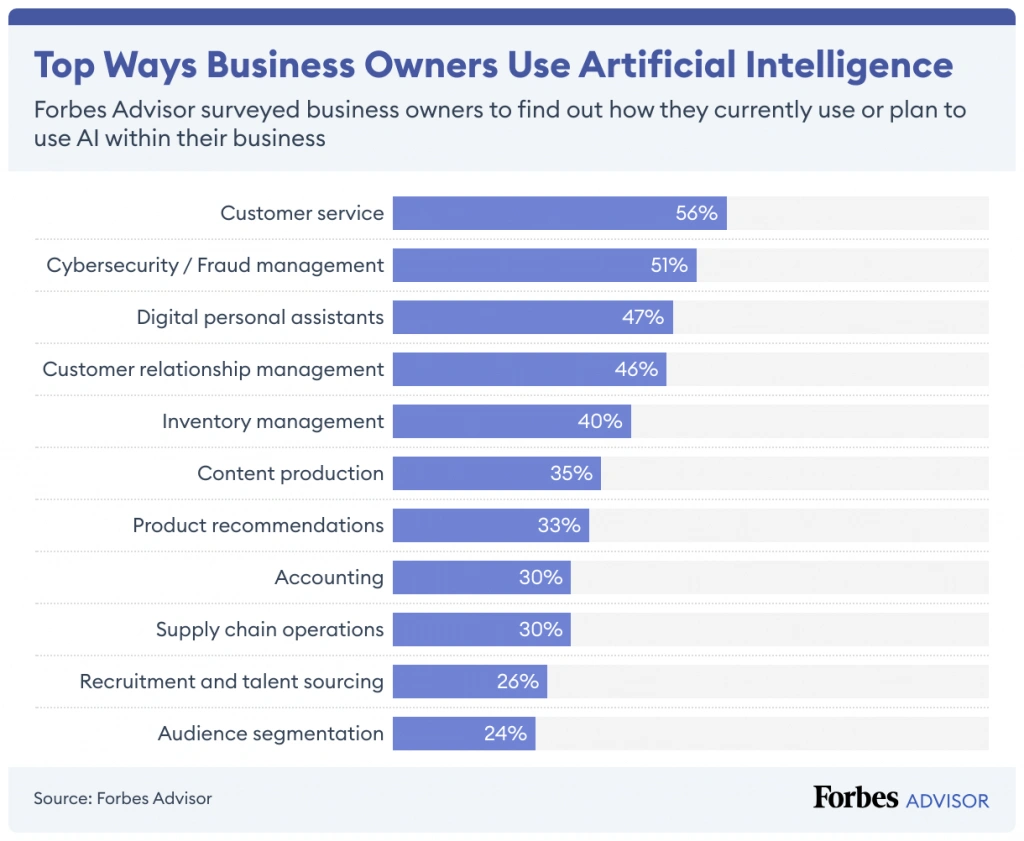
Top Ways Business Owners Use Artificial Intelligence
| Use Case | Adoption Rate |
|---|---|
| Customer service | 56% |
| Cybersecurity / Fraud management | 51% |
| Digital personal assistants | 47% |
| Customer relationship management | 46% |
| Inventory management | 40% |
| Content production | 35% |
| Product recommendations | 33% |
| Accounting | 30% |
| Supply chain operations | 30% |
| Recruitment and talent sourcing | 28% |
| Audience segmentation | 24% |
Main Benefits of AI for Entrepreneurs
1. Cost Reduction
AI automation reduces the need for large teams by handling repetitive tasks such as customer support, data entry, and marketing. This helps entrepreneurs save on operational costs and utilize resources more effectively. According to Forbes, 72% of businesses have adopted AI guidelines for at least one professional function.
2. Scalability
AI enables businesses to grow and expand without facing an overwhelming workload or operational bottlenecks. Entrepreneurs can handle a larger volume of customers, data, and operations without having to scale their team size proportionally. This significantly increases the potential for their business to achieve rapid growth in a shorter timeframe.
3. Improved Decision-Making
By analyzing vast amounts of information, AI provides data-driven insights. Furthermore, AI can serve as a consultative tool. This empowers entrepreneurs to make smarter, faster, and more accurate business decisions.
4. Competitive Edge
Businesses that adopt AI early can stay ahead of the competition by operating with greater efficiency, responding rapidly to market shifts, and delivering superior services—all while utilizing smaller teams and lower capital investment.
5. Enhanced Customer Experience
AI facilitates the delivery of personalized experiences through targeted, real-time support and customized communication. This fosters customer trust in the brand and encourages long-term customer loyalty.
Challenges Entrepreneurs Face with AI
- High initial investment
- Lack of technical expertise
- Data privacy concerns
- Integration complexity
- Dependence on quality data
However, modern no-code and low-code AI tools are making adoption easier.
Best AI Tools Entrepreneurs Are Using in 2026
In 2026, Artificial Intelligence (AI) tools have become the backbone of modern businesses, helping entrepreneurs manage multiple tasks with far less manual effort. Instead of relying heavily on traditional processes, business owners now use AI to streamline daily operations, improve marketing performance, and enhance customer interactions. However, to truly benefit from AI, it is essential to choose the right tools that align with your business needs. To help you get started, we have compiled a list of the most effective AI tools for your reference.
Best AI for Entrepreneurs
In 2026, AI is helping entrepreneurs save time and reduce costs across every aspect of business—from content creation and customer support to data analysis and marketing. It also enables personalized user experiences, which can significantly boost engagement and sales. With its wide range of applications, AI has become an essential part of daily business operations. The key for entrepreneurs is to identify and adopt the AI tools that best align with their specific goals and needs.
| Tool Name | Main Use |
|---|---|
| ChatGPT | Content creation & automation |
| Claude | Research & long-form writing |
| Notion AI | Notes & project management |
| Jasper AI | Marketing copywriting |
| Grammarly AI | Writing improvement |
| Perplexity AI | Research & insights |
| GitHub Copilot | Coding assistance |
| Zapier | Workflow automation |
| Canva AI | Design & creatives |
| HubSpot AI | CRM & marketing automation |
Future Trends: AI and Entrepreneurship
1. AI Agents
Autonomous AI systems will automatically handle business tasks.
Example: An AI agent automatically answers customer queries in a timely manner, schedules meetings, and follows up with leads—functioning just like a virtual sales assistant working 24/7.
2. Voice AI
Voice-based applications will enable users to interact with businesses via voice commands.
Example: Instead of typing, a customer can simply order products or book services by speaking to a voice assistant, thereby enhancing accessibility and user experience.
3. No-Code AI Platforms
Entrepreneurs can build applications even without coding skills.
Example: A startup founder can create a chatbot or a mobile app using drag-and-drop tools, without the need to hire developers.
4. AI + IoT Integration
AI-enabled smart devices will further optimize business operations.
Example: A smart warehouse utilizes AI and sensors to track inventory in real-time, automatically placing reorders or generating reminders for stock replenishment.
5. Fully Automated Businesses
AI will manage the majority of business operations with minimal human intervention.
Example: An online store uses AI tools to run advertisements, manage orders, handle customer support, and analyze sales data—with all these tasks being executed entirely by AI.
As the global trend of AI adoption continues to rise, experts believe that entrepreneurs who embrace these technologies early on are likely to gain a significant competitive edge in the rapidly evolving digital economy. With the help of AI, they can achieve rapid growth in a shorter timeframe, disseminate information about their startups globally, and build a strong reputation for themselves.
Explore Services
Related Services
Reviewed by

Aman Vaths
Founder of Nadcab Labs
Aman Vaths is the Founder & CTO of Nadcab Labs, a global digital engineering company delivering enterprise-grade solutions across AI, Web3, Blockchain, Big Data, Cloud, Cybersecurity, and Modern Application Development. With deep technical leadership and product innovation experience, Aman has positioned Nadcab Labs as one of the most advanced engineering companies driving the next era of intelligent, secure, and scalable software systems. Under his leadership, Nadcab Labs has built 2,000+ global projects across sectors including fintech, banking, healthcare, real estate, logistics, gaming, manufacturing, and next-generation DePIN networks. Aman’s strength lies in architecting high-performance systems, end-to-end platform engineering, and designing enterprise solutions that operate at global scale.