Ai Overview
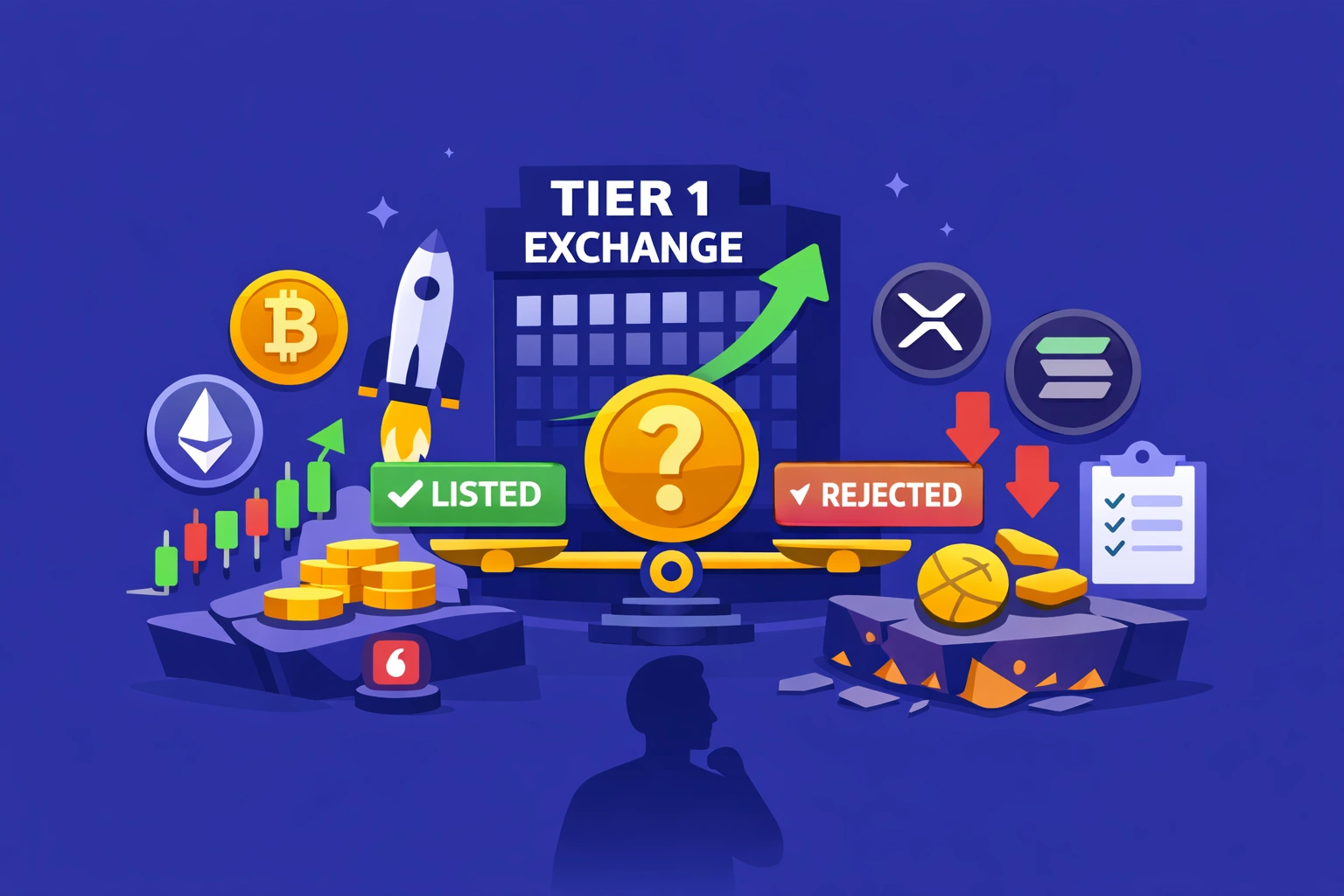
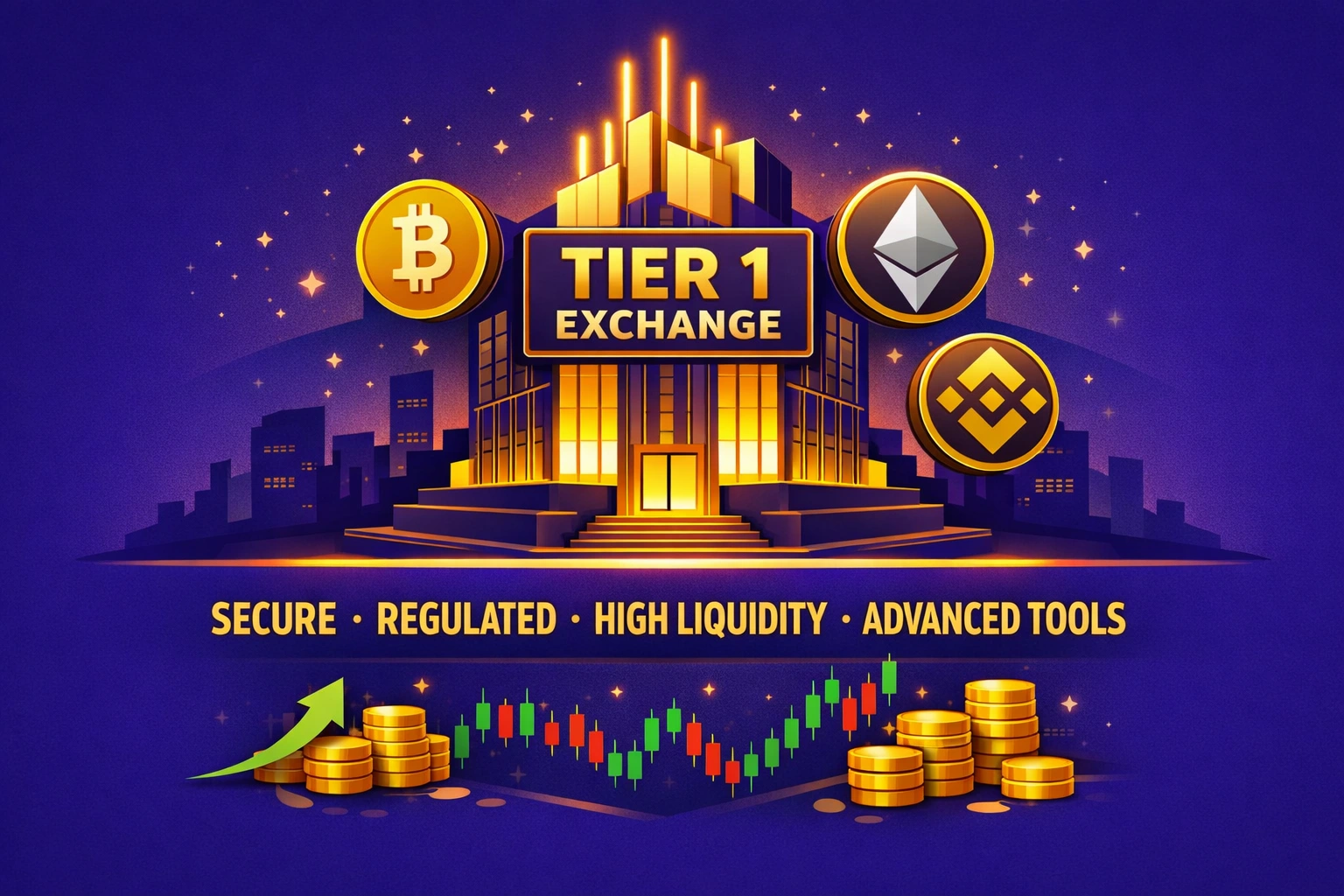
Before you submit a single form or send a single email to an exchange, you need to understand exactly what these platforms look for. Budget $20,000 to $100,000 for comprehensive legal preparation, including opinions covering your primary target jurisdictions. Budget $10,000 to $50,000 depending on code complexity. An exchange listing reviewer would rather see 15,000 genuine Twitter followers with strong engagement than 500,000 followers with minimal interaction.
Section 01
Understanding Exchange Listing Requirements
Before you submit a single form or send a single email to an exchange, you need to understand exactly what these platforms look for. Every exchange has its own set of requirements, but the core evaluation criteria are remarkably consistent across the industry. Exchanges want to list tokens that will bring trading volume, attract users to their platform, and maintain their reputation for quality. Your exchange listing strategy should be built around demonstrating that your project meets these goals convincingly. Think of the exchange as an investor evaluating your project: they want to see a strong team, real technology, genuine demand, and a sustainable business model.
The evaluation process typically covers six major areas: technical quality (smart contract security, code audits), legal standing (regulatory opinions, entity structure), community strength (active users, social following), tokenomics (supply distribution, vesting, utility), team credentials (track record, transparency), and market readiness (liquidity plans, partnerships). Real-world example: When Polygon (MATIC) pursued its Binance exchange listing in 2019, they came prepared with a completed audit from a top firm, a clear scaling solution for Ethereum, a growing community of builders, and transparent tokenomics. This comprehensive preparation led to a rapid listing approval that helped propel the project into the top 20 by market cap. Our agency has helped over 40 projects navigate the exchange listing process over the past eight years, and thorough preparation is the single biggest factor in success.
Ensuring Legal and Regulatory Compliance
CRITICAL
Legal and regulatory compliance is the single most important factor that determines whether your exchange listing application gets approved or rejected outright. Exchanges operate under strict regulatory oversight in multiple jurisdictions, and they will not risk their licenses by listing tokens that may be classified as unregistered securities. Before applying anywhere, obtain a legal opinion letter from a qualified blockchain attorney that addresses your token’s classification under the Howey Test, securities laws in your target markets (US, EU, Singapore, Dubai, etc.), and any specific regulatory requirements for your use case.
Your legal entity structure matters as well. Most exchanges require you to operate through a registered company in a crypto-friendly jurisdiction. Popular choices include Singapore, the British Virgin Islands, Switzerland, and the Cayman Islands. Ensure your project has completed KYC and KYB (Know Your Business) verification for all team members and company directors. Real-world example: Ripple’s ongoing SEC lawsuit cost them their exchange listing on multiple US platforms and damaged trading volume for years. Projects that invest in regulatory clarity upfront avoid this fate entirely. Budget $20,000 to $100,000 for comprehensive legal preparation, including opinions covering your primary target jurisdictions.
Preparing Complete Project Documentation
Exchanges receive hundreds of exchange listing applications every month, and incomplete documentation is the fastest way to get yours moved to the rejection pile. Your documentation package is your project’s first impression, and it needs to be thorough, professional, and easy to review. Start with an updated whitepaper that clearly explains your technology, use case, market opportunity, competitive advantages, and token utility. This is not a marketing brochure. Exchanges want to see technical depth, honest market analysis, and a realistic roadmap. Alongside the whitepaper, prepare a one-page executive summary that busy reviewers can scan in two minutes.
Your documentation package for an exchange listing should also include detailed tokenomics (total supply, circulating supply, allocation breakdown, vesting schedules, burn mechanisms), a technical architecture document, smart contract audit reports, team bios with verifiable credentials, community metrics (social followers, DAU, transaction counts), and a roadmap showing completed and upcoming milestones. Real-world example: Chainlink’s meticulous documentation of their oracle network architecture and partnerships played a significant role in their successful exchange listing on Coinbase in 2019, which sparked a massive price rally.
| Document | Priority | Typical Length | Purpose |
|---|---|---|---|
| Whitepaper | Essential | 20-40 pages | Technical + business overview |
| Audit Report | Essential | 10-30 pages | Security verification |
| Tokenomics Doc | Essential | 5-15 pages | Supply, allocation, utility |
| Legal Opinion | Essential | 5-10 pages | Regulatory classification |
| Roadmap | High | 2-5 pages | Track record + future plans |
Section 04
Conducting Smart Contract and Security Audits
A smart contract audit is not optional for any serious exchange listing. Every reputable exchange requires at least one audit from a recognized security firm, and many top-tier platforms require two or more independent audits. An audit verifies that your token contract works correctly, has no vulnerabilities that could drain funds or manipulate supply, and follows established coding best practices. Audit firms like CertiK, Hacken, Trail of Bits, OpenZeppelin, and Quantstamp are widely recognized by exchanges. Getting an audit from an unknown firm may actually harm your application rather than help it.
Plan for your audit well in advance because top firms have waitlists of 4 to 8 weeks. Budget $10,000 to $50,000 depending on code complexity. After receiving the audit report, fix all critical and high-severity findings before submitting your exchange listing application. Exchanges will check. Real-world example: The SafeMoon token faced scrutiny from multiple exchanges because early audits revealed concerns about the contract’s fee mechanism and potential for manipulation. Projects that address audit findings transparently and publish their full reports (including the fixes) build much stronger credibility with exchange review teams. Our agency always recommends completing your audit at least 6 weeks before your planned application submission date.
Strengthening Tokenomics and Utility Model
KEY FACTOR
Tokenomics is one of the most scrutinized aspects of any exchange listing application. Exchanges need to understand how your token supply is distributed, who holds significant amounts, what vesting schedules are in place, and what mechanisms prevent dumping after the listing event. A healthy tokenomics model allocates no more than 15 to 20 percent to the team with a vesting period of at least 2 years and a 6-month cliff. Investor allocations should also have lock-up periods. Exchanges get extremely nervous about tokens where large holders can sell immediately after the exchange listing goes live.
Beyond distribution, your token needs genuine utility that creates sustained demand. Staking rewards, governance voting, fee discounts, access to features, and payment for services within your ecosystem are all valid utility models. Tokens with no clear utility beyond speculation face increasing rejection from reputable exchanges. Real-world example: Aave’s tokenomics overhaul in 2020, which introduced staking, governance, and protocol fee sharing, directly contributed to their successful exchange listing expansion to Coinbase, Kraken, and Gemini. Exchanges could clearly see why users would want to hold and use the AAVE token beyond simple price speculation.
| Tokenomics Factor | Healthy Range | Red Flag |
|---|---|---|
| Team Allocation | 10-20% with 2yr vesting | Over 25% or no vesting |
| Circulating at Launch | 20-40% of total supply | Under 5% or over 80% |
| Ecosystem/Community | 30-50% allocation | Under 20% allocated |
| Vesting Cliff | 6-12 months minimum | No cliff or immediate unlock |
Building Strong Community Support
Community strength is a top-three factor in every exchange listing evaluation. Exchanges want to list tokens that will generate trading volume from day one, and an active, engaged community is the strongest indicator of organic demand. Your community metrics tell the exchange whether real people care about your project or whether your social numbers are inflated by bots. Focus on quality over quantity. An exchange listing reviewer would rather see 15,000 genuine Twitter followers with strong engagement than 500,000 followers with minimal interaction.
Build your community across multiple platforms: Twitter (X) for announcements and industry engagement, Discord for active discussions and support, Telegram for broader crypto community reach, and GitHub for showcasing technical activity. Real-world example: Arbitrum’s community grew to over 500,000 Discord members and millions of active wallet addresses before their token launch, making their exchange listing across every major platform essentially guaranteed from day one. You do not need half a million members, but you do need demonstrable, measurable community growth with genuine engagement. Track and document your community metrics monthly, as exchanges want to see a growth trajectory, not just a snapshot.
Three Pillars of a Winning Exchange Listing Application
Trust and Credibility
- Verified team identities with public profiles and track records
- Multiple smart contract audits from recognized security firms
- Legal opinion letters covering all target jurisdictions
- Transparent financial reporting and treasury management
Market Demand
- Active community with genuine engagement across platforms
- Proven DEX trading volume showing organic interest
- Strategic partnerships with established projects and VCs
- Growing user base with measurable on-chain activity
Financial Readiness
- Market-making agreements with professional liquidity providers
- Sufficient treasury to cover listing fees and initial liquidity
- Healthy tokenomics with vesting schedules preventing dumps
- Post-listing budget for marketing and ongoing support
Section 07
Establishing Strategic Partnerships
Strategic partnerships serve as powerful credibility signals in your exchange listing application. When established projects, venture capital firms, or industry leaders have invested in or partnered with your project, it validates your technology and reduces the perceived risk for the exchange. According to Nasscom Insights, Exchanges actively track which venture capital firms back a project, which blockchain ecosystems it integrates with, and which real-world companies use its technology. Partnerships with recognized names like a16z, Sequoia, Polychain Capital, or established Layer 1 networks can significantly accelerate the exchange listing evaluation.
Beyond VC backing, forge partnerships that demonstrate real utility. Integrate with popular DeFi protocols, partner with other blockchain projects for cross-chain functionality, or establish enterprise relationships that show real-world adoption. Real-world example: Render Network’s partnerships with Apple, Microsoft, and major entertainment studios made their exchange listing applications compelling because exchanges could see that major corporations were already using the technology. Your partnerships should be verifiable and meaningful, not just logo displays on your website. Document every partnership with details about the nature of the collaboration and its impact on your project’s growth.
Preparing Liquidity and Market-Making Plans
ESSENTIAL
Liquidity is what makes or breaks a newly listed token. Without sufficient liquidity, your token will have wide bid-ask spreads, low trading volume, and erratic price movements that frustrate traders and damage your project’s reputation. Most exchanges require a liquidity plan as part of your exchange listing application, and many require a formal agreement with a professional market maker before they will approve your listing. Market makers like Wintermute, GSR, DWF Labs, and Amber Group provide continuous buy and sell orders on the order book, ensuring smooth trading for your users.
Market-making agreements typically involve lending the market maker a significant quantity of your tokens (often $500,000 to $2 million worth) plus a stablecoin deposit for the buy side. The market maker uses these assets to maintain liquidity on the exchange, earning a fee or performance incentive in return. Real-world example: When Immutable X launched their IMX token, they partnered with Wintermute for market making across multiple exchanges, ensuring healthy liquidity from day one across all their exchange listing venues. This resulted in tight spreads and consistent volume that attracted additional organic traders.
| Market Maker | Min. Token Loan | Fee Model | Exchanges Supported |
|---|---|---|---|
| Wintermute | $500K+ | Performance-based | 50+ CEXs and DEXs |
| GSR | $300K+ | Retainer + performance | 30+ major platforms |
| DWF Labs | $200K+ | Investment + market making | 40+ platforms |
| Amber Group | $300K+ | Monthly retainer | 20+ platforms |
Enhancing Transparency and Public Communication
Transparency is the currency of trust in the blockchain industry, and it is a deciding factor in exchange listing evaluations. Exchanges want to list projects that communicate openly with their communities because transparent projects generate fewer user complaints and support tickets for the exchange. Publish regular progress updates (weekly or bi-weekly), hold community AMAs (Ask Me Anything) sessions monthly, and maintain a public-facing roadmap that is updated as milestones are completed. When things go wrong, such as delays or bugs, communicate honestly rather than going silent. The crypto community punishes silence far more harshly than bad news.
Your project’s public-facing information should be consistent across all platforms. Ensure your website, social media profiles, CoinGecko/CoinMarketCap listings, and GitHub all tell the same story with accurate, up-to-date information. Real-world example: Lido Finance publishes detailed monthly financial reports, governance proposals, and technical updates that have helped them maintain exchange listing status across every major platform. Their transparency also helped them recover from the stETH depeg concerns in 2022 because the community had access to complete information about the protocol’s health. For your exchange listing preparation, create a dedicated transparency page on your website that links to audits, team profiles, tokenomics details, and financial reports.
Section 10
Submitting a Professional Exchange Application
Your exchange listing application is only as strong as the effort you put into presenting it. Treat the application form like a pitch deck to a top-tier investor. Answer every question thoroughly, provide supporting documentation for every claim, and format everything professionally. Most exchanges have an online application form supplemented by requests for additional materials. Fill out every field, even optional ones. Attach all supporting documents in organized, clearly labeled files. If the exchange asks for a project summary, do not copy-paste your whitepaper abstract. Write a concise, compelling summary tailored to what the exchange cares about: volume potential, community demand, and regulatory safety.
Include a personal cover letter or introduction from your CEO or project lead. Explain why your project is a good fit for their specific platform and their user base. Mention any existing connections within the exchange’s ecosystem. Real-world example: The Optimism team’s exchange listing applications were strengthened by their relationship with Coinbase (the creator of Base, a competing L2), because they approached the application with transparency about their competitive positioning while demonstrating the overall market opportunity for Layer 2 scaling. Our agency recommends having your application reviewed by at least three team members and an external advisor before submitting. First impressions matter, and resubmissions after rejection are much harder than getting it right the first time.
Negotiating Listing Terms and Fees
FINANCIAL
Exchange listing fees are negotiable, and understanding the fee structure is critical for protecting your project’s treasury. Fees vary dramatically: some mid-tier exchanges charge flat fees of $50,000 to $300,000, while others use a token-based model where you provide a percentage of your total supply. Top-tier exchanges may charge $500,000 to $2 million, though some (like Coinbase) have publicly stated they do not charge listing fees, instead evaluating projects purely on merit. Be skeptical of any intermediary or “listing agent” who promises guaranteed exchange listing on major platforms for a fee, as these are often scams.
Negotiate beyond just the listing fee. Discuss marketing support (will the exchange promote your listing?), trading pair options (BTC, ETH, USDT, fiat pairs), placement on the exchange’s homepage or featured section, and any promotional activities like launchpad events or trading competitions. Real-world example: Many projects successfully negotiate reduced exchange listing fees by offering exclusive trading pairs, co-marketing commitments, or ecosystem partnerships that benefit the exchange’s broader strategy. Always get the full agreement in writing, including any performance requirements that might result in delisting.
| Exchange Tier | Typical Fee | Timeline | Community Needed |
|---|---|---|---|
| Tier 1 (Binance, Coinbase) | $500K-$2M+ | 3-6 months | 100K+ active users |
| Tier 2 (KuCoin, Gate.io) | $50K-$300K | 1-3 months | 25K+ active users |
| Tier 3 (MEXC, Bitget) | $10K-$50K | 2-6 weeks | 5K+ active users |
| DEX (Uniswap, PancakeSwap) | Gas fees only | Instant | No minimum |
Post-Listing Support and Ongoing Compliance
Getting your exchange listing approved is a major milestone, but the work does not stop there. Exchanges monitor listed tokens continuously and will delist projects that fail to maintain minimum standards for trading volume, community engagement, regulatory compliance, and technical integrity. Your post-listing responsibilities include maintaining market-making commitments, providing timely updates about any material changes to your project, responding to the exchange’s compliance requests within their specified timeframes, and keeping your token contract and infrastructure secure and operational at all times.
Build a dedicated post-listing team that handles exchange relations, community management across exchange-specific channels, and ongoing compliance monitoring. Schedule quarterly reviews with your exchange listing contacts to discuss performance, upcoming features, and any concerns. Real-world example: Several tokens were delisted from Binance in 2024 for failing to meet continued listing standards, including low trading volume and lack of project updates. The projects that maintained their listings were those that treated the exchange relationship as an ongoing partnership rather than a one-time transaction. Budget for at least 12 months of post-listing market making, community management, and compliance support before you consider your exchange listing process complete.
Authoritative Standards for Exchange Listing Success
Standard 1: Complete at least one smart contract audit from a top-10 ranked security firm before submitting any exchange listing application.
Standard 2: Obtain legal opinion letters covering token classification in every jurisdiction where your target exchange operates.
Standard 3: Maintain minimum 10,000 active community members with organic engagement before pursuing Tier 2 or higher exchange listings.
Standard 4: Secure a market-making agreement with a reputable firm and provide proof of at least $500,000 in initial liquidity commitment.
Standard 5: Implement team token vesting with a minimum 6-month cliff and 24-month linear release to prevent post-listing dump concerns.
Standard 6: Budget for a minimum 12 months of post-listing support including market making, community management, and compliance reporting.
✓
Smart contract audit completed by a recognized firm with all findings resolved and published
✓
Legal opinion letter obtained covering token classification in all target exchange jurisdictions
✓
KYC and KYB completed for all team members and company directors with documentation ready
✓
Tokenomics documented with vesting schedules, allocation breakdown, and utility model clearly defined
✓
Market-making agreement signed with a reputable firm and initial liquidity pool funded and ready
✓
Community metrics documented with growth trajectory showing at least 3 months of consistent organic growth
✓
Post-listing support plan in place covering 12 months of market making, reporting, and community engagement
✓
Application materials reviewed by legal counsel, at least three team members, and an external advisor
Final Thoughts
Achieving a successful exchange listing is one of the most impactful milestones in any blockchain project’s journey. It opens the door to broader market access, increased liquidity, greater visibility, and the credibility that comes with being vetted by a recognized trading platform. But the path to that milestone requires serious preparation across legal, technical, financial, and community dimensions. Projects that approach the exchange listing process methodically, with thorough documentation, clean audits, strong tokenomics, and genuine community demand, dramatically increase their odds of approval and long-term success on the platform.
The exchange listing landscape continues to evolve as regulators tighten oversight and exchanges raise their standards. What worked three years ago may not work today. Projects that invest in compliance, transparency, and real utility will thrive in this environment, while those cutting corners will find fewer platforms willing to take the risk. Whether you are preparing for your first DEX launch or targeting a Tier 1 exchange listing, follow the step-by-step process outlined in this guide, build your foundation patiently, and treat every exchange relationship as a long-term partnership. The results will speak for themselves.
Frequently Asked Questions
Q1.What is an exchange listing in crypto?
An exchange listing is the process of adding a cryptocurrency token or coin to a trading platform where users can buy, sell, and trade it. Getting an exchange listing involves meeting the platform’s technical, legal, and financial requirements. Exchanges evaluate the project’s smart contract security, tokenomics, team credentials, community strength, and regulatory compliance before approving a listing. Major exchanges like Binance, Coinbase, and Kraken have strict criteria, while smaller exchanges offer more accessible entry points for newer projects.
Q2.How much does it cost to list a token on an exchange?
Exchange listing costs vary dramatically depending on the platform tier. Small decentralized exchanges may charge nothing, while mid-tier centralized exchanges charge $50,000 to $300,000. Top-tier exchanges like Binance, Coinbase, or Kraken can cost $500,000 to $2 million or more, though some have shifted to merit-based models. Additional costs include legal fees ($20,000 to $100,000), audit fees ($10,000 to $50,000), market-making deposits ($100,000 to $500,000), and marketing budgets for the listing event.
Q3.How long does the exchange listing process take?
The exchange listing process typically takes 2 to 6 months from initial application to live trading. Smaller exchanges may complete listings in 2 to 4 weeks. Mid-tier platforms usually take 1 to 3 months. Major exchanges like Binance or Coinbase can take 3 to 6 months or longer due to their thorough due diligence processes. The timeline depends on your project’s readiness, documentation completeness, audit status, and whether revisions are needed after the exchange review.
Q4.What documents are needed for an exchange listing?
A complete exchange listing application typically requires a detailed project whitepaper, tokenomics documentation, team member profiles with KYC verification, smart contract audit reports from reputable firms, legal opinion letters confirming regulatory compliance, proof of community engagement metrics, a technical architecture overview, a roadmap with clear milestones, and a liquidity plan. Some exchanges also request financial statements, proof of treasury reserves, and evidence of partnerships or integrations.
Q5.Can a project get listed on multiple exchanges at once?
Yes, many projects pursue simultaneous exchange listing on multiple platforms to maximize exposure and trading volume. However, this strategy requires significantly more resources for liquidity provision, market making, and coordination. Most successful projects start with one or two exchange listings and expand gradually. Simultaneous listings also require careful coordination of listing announcements and marketing campaigns to maximize the impact of each platform launch.
Q6.What makes exchanges reject a listing application?
Exchanges reject exchange listing applications for several common reasons. The most frequent include weak or unverified team credentials, missing or failed smart contract audits, unclear tokenomics with excessive team allocation, insufficient community engagement, regulatory non-compliance or securities classification risks, poor documentation quality, lack of real utility or product-market fit, and low trading volume on existing platforms. Projects with anonymous teams or a history of missed roadmap milestones face higher rejection rates.
Q7.Should a project list on DEX or CEX first?
Most projects benefit from starting with a decentralized exchange (DEX) listing before pursuing centralized exchange (CEX) listings. DEX listings are faster, cheaper, and permissionless, allowing you to build initial trading history and liquidity. This track record strengthens your centralized exchange listing application significantly. CEX platforms often look favorably on tokens with proven DEX trading volume and active liquidity pools. Starting on Uniswap or PancakeSwap then graduating to mid-tier CEXs is a proven path.
Q8.What role does a market maker play in exchange listings?
Market makers provide continuous buy and sell orders on the exchange, ensuring liquidity and tight bid-ask spreads for a newly listed token. Without a market maker, your exchange listing may suffer from low volume, wide spreads, and price volatility that drives traders away. Professional market makers like Wintermute, GSR, and DWF Labs typically require a loan of tokens and a performance fee. Many exchanges require proof of a market-making agreement before approving your listing application.
Explore Services
Related Services
Reviewed by

Aman Vaths
Founder of Nadcab Labs
Aman Vaths is the Founder & CTO of Nadcab Labs, a global digital engineering company delivering enterprise-grade solutions across AI, Web3, Blockchain, Big Data, Cloud, Cybersecurity, and Modern Application Development. With deep technical leadership and product innovation experience, Aman has positioned Nadcab Labs as one of the most advanced engineering companies driving the next era of intelligent, secure, and scalable software systems. Under his leadership, Nadcab Labs has built 2,000+ global projects across sectors including fintech, banking, healthcare, real estate, logistics, gaming, manufacturing, and next-generation DePIN networks. Aman’s strength lies in architecting high-performance systems, end-to-end platform engineering, and designing enterprise solutions that operate at global scale.